
 Lance Avery Morgan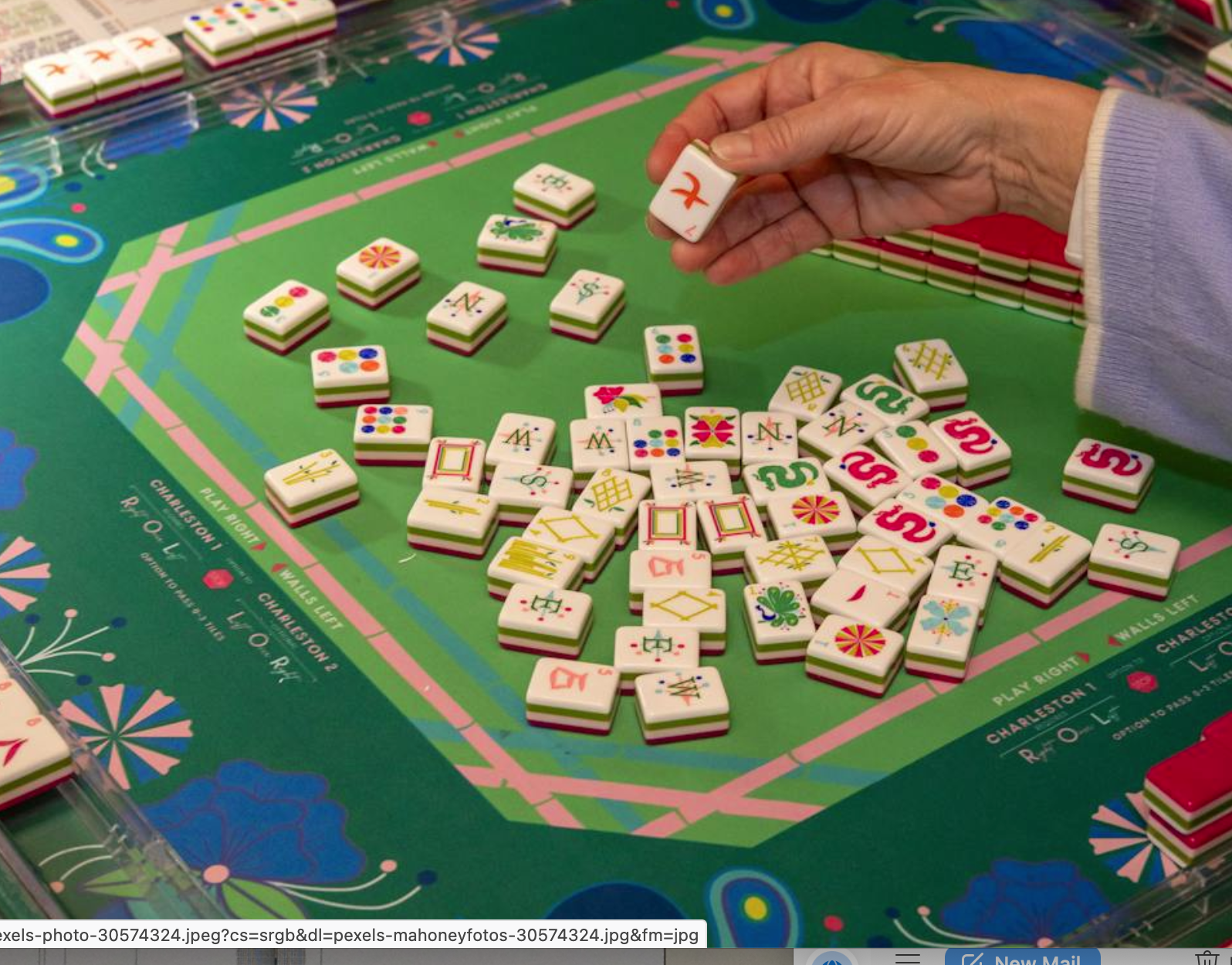
From Living Rooms To Luxe Luncheons, The Ancient Tile Game Is Having A Lone Star Revival
We Texans love a good table game. Cards? Absolutely. Dominoes? Sure thing. A little strategic brinkmanship over cocktails? Always. But lately, the most intriguing game in the room isn’t poker. It’s Mahjong, according to our gamesman, Lance Avery Morgan, who pulled up a chair to learn about why this vintage game is taking off like wildfire.
Yes, that rhythmic click-clack of tiles you’ve heard at charity luncheons, country clubs, and increasingly chic Austin lofts. The ancient Chinese game has found fresh footing across Texas; blending tradition, strategy, social connection, and just enough competitive sparkle to keep things interesting.
So… is Mahjong your next move?
A Game With History And Even, A Little Mystery
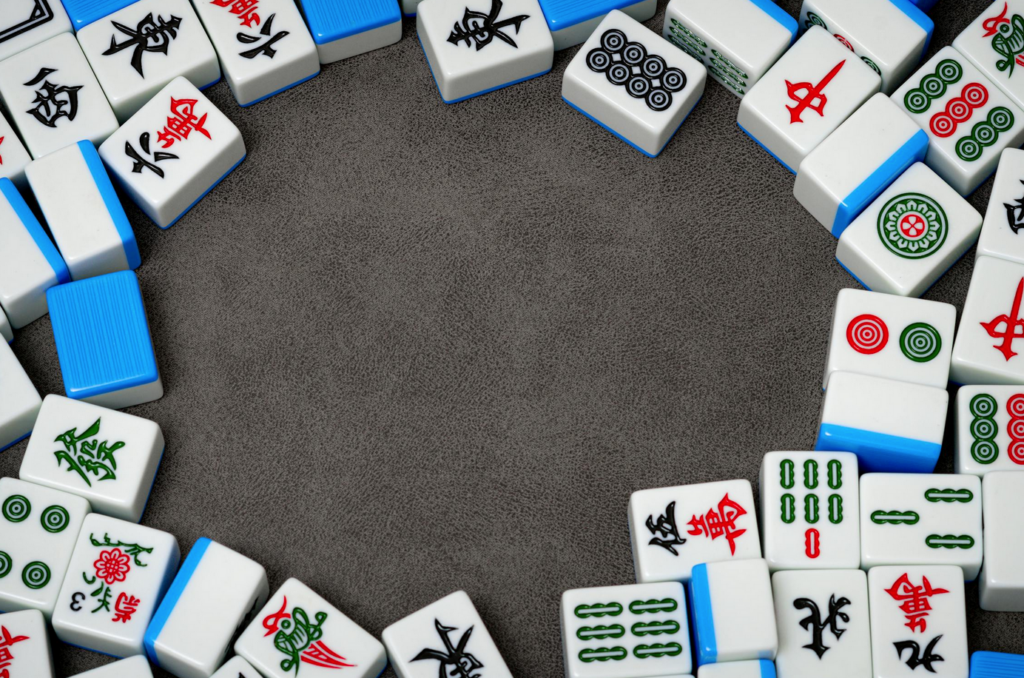
Mahjong originated in China in the 19th century and reached the United States in the 1920s, where it became a sensation. Today, most American players use the rules set by the National Mah Jongg League, which publishes the official annual card that dictates winning hands.
And here’s the thing: Mahjong is not luck-driven chaos.
It’s:
- Strategy
- Memory
- Pattern recognition
- Probability
- Emotional restraint
- Social finesse
If you enjoy mental challenge, fast decision-making, and a little psychological reading of your opponents, Mahjong might be your new obsession.
It’s less about gambling bravado and more about elegant calculation.
The Texas Mahjong Renaissance
Across Texas, Mahjong has evolved from a quiet pastime into a cultural moment.
Design-forward tile sets, custom Lucite racks, and chic carrying cases have turned the game into both a social ritual and aesthetic statement. What once lived primarily in private homes is now appearing at:
- Fundraising events
- Women’s groups
- Boutique hotel gatherings
- Country club tournaments
- Private social clubs
Mahjong is no longer just “game night.” It’s an experience.
Austin: Cool, Cultured, Competitive
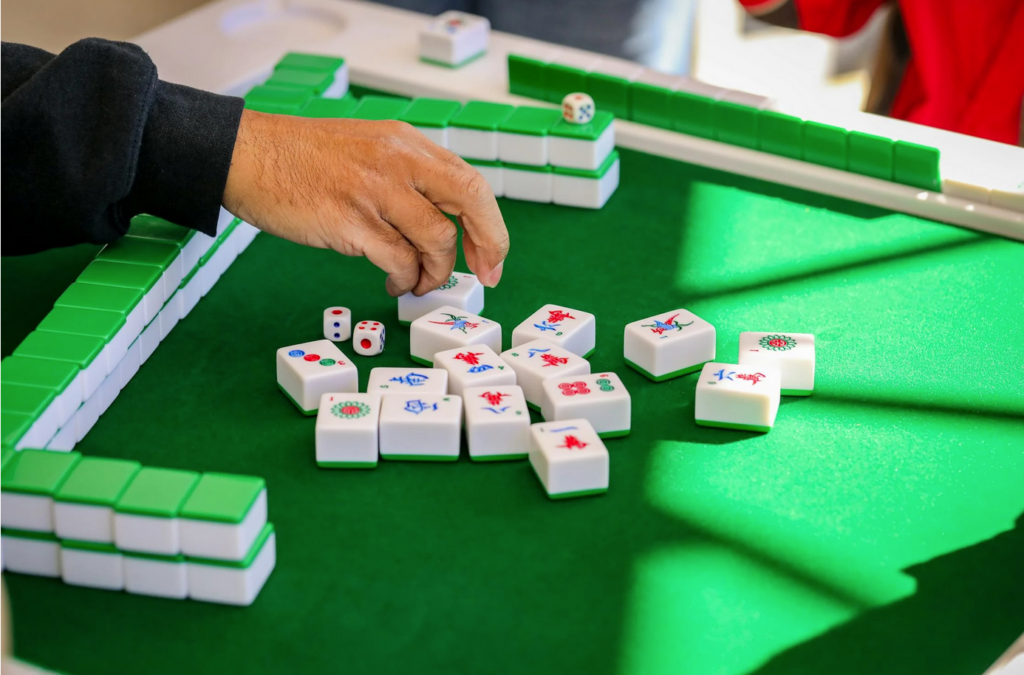
In Austin, Mahjong groups meet everywhere from private residences to stylish venues.
Austin Mahjong Social Club hosts beginner lessons and open-play sessions that welcome newcomers without intimidation.
Several instructors across the city offer private and small-group lessons for beginners who want to learn American Mahjong step-by-step, from Charleston exchanges to reading the annual card.
In true Austin fashion, you’ll find:
- Mahjong + rosé afternoons
- Mahjong + philanthropy pairings
- Mahjong nights at boutique hotels
It’s intellectual, but make it chic.
Dallas: Strategy With A Side Of Style
Dallas has embraced Mahjong with signature polish.
Groups like Dallas Mahjong Club organize regular play sessions and structured lessons for both beginners and advanced players.
In addition, country clubs and social organizations throughout Highland Park, Preston Hollow, and beyond have incorporated Mahjong into their programming calendars.
Dallas players tend to take the annual card seriously. This is strategic territory.
Houston: A Cultural Stronghold
With its deep international roots, Houston’s Mahjong scene is particularly vibrant.
Organizations such as Houston Mahjong Association provide instruction in both American and traditional Chinese variations of the game.
Houston also hosts competitive tournaments, charity Mahj-thons, and inter-club play that elevate the game from pastime to performance.
In this city, Mahjong is both heritage and high strategy.
San Antonio: Tradition Meets Community
In San Antonio, Mahjong thrives in community centers, private clubs, and intergenerational gatherings.
Groups like San Antonio Mahjong Group offer welcoming play sessions for new learners while maintaining dedicated weekly games for seasoned players.
The game’s social elegance fits beautifully with San Antonio’s sense of hospitality and tradition.
What You’ll Need To Play
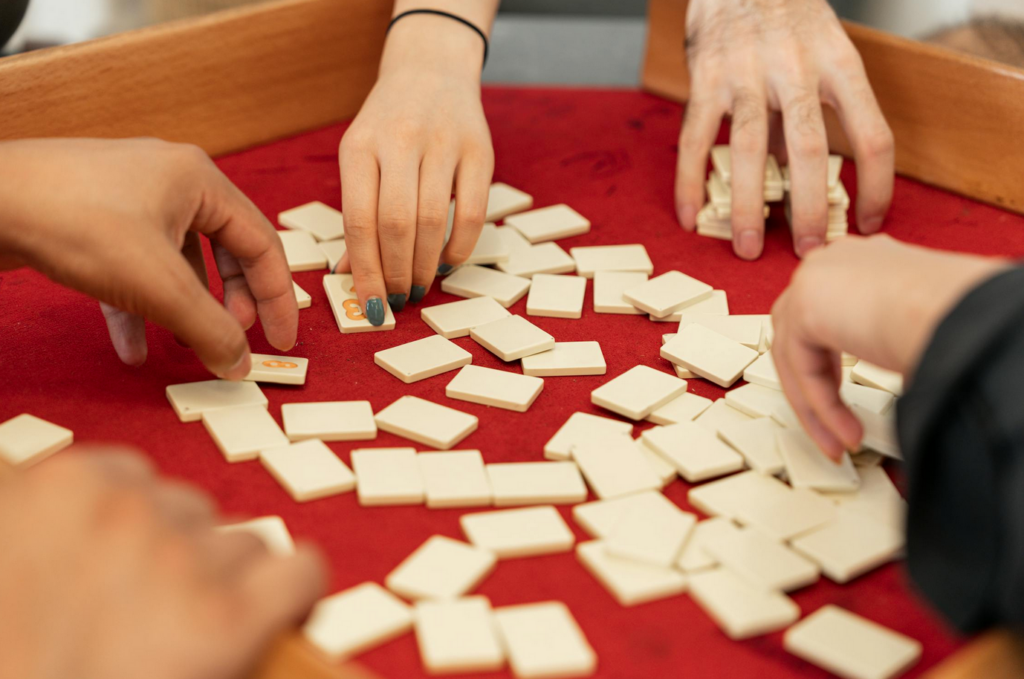
Once you move beyond beginner lessons, you’ll likely invest in your own set.
A standard American Mahjong setup includes:
- 152 tiles
- 4 racks and pushers
- Dice
- Betting chips (optional, but common)
- The official annual card from the National Mah Jongg League
Serious players often own:
- A portable Mahjong table mat
- Customized tile sets
- Organized card protectors
The gear is part of the ritual… and yes, the aesthetic matters.
Why Mahjong Works For Modern Texans
In a world of constant digital noise, Mahjong requires presence.
You must:
- Watch every discard
- Track patterns
- Adjust strategy mid-game
- Read your table
It’s social but cerebral. Competitive but civilized.
And perhaps most importantly, it builds community.
Because Mahjong is rarely played alone.
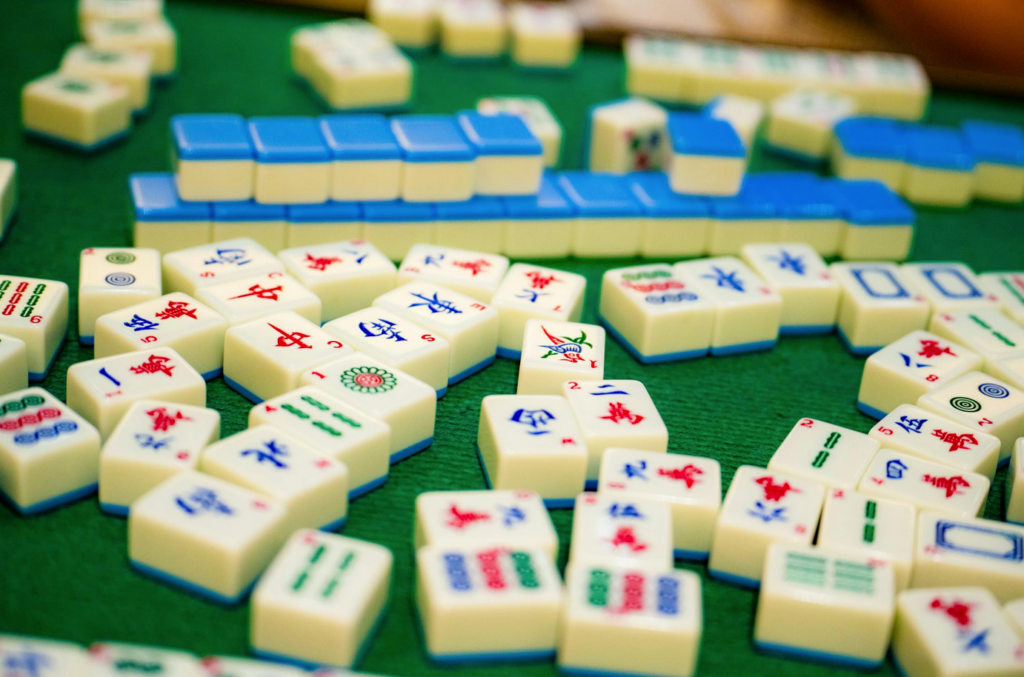
Beginner’s Guide: How To Get Started
- Take a structured beginner lesson (rules matter).
- Learn the Charleston exchange process.
- Study the annual card. Yes, really.
- Play regularly to build tile recognition speed.
- Accept that everyone forgets something at first.
Mahjong has a learning curve… but once it clicks, it clicks.
And then you’ll hear it everywhere: click, clack, Mahjong.
10 Reasons Mahjong Might Be Your New Favorite Obsession
- It sharpens memory and pattern recognition.
- It builds strategic thinking skills.
- It’s deeply social.
- It bridges generations beautifully.
- It blends tradition with modern style.
- It’s competitive without being combative.
- It gives you an annual strategic reset (hello, new card).
- It pairs surprisingly well with lunch and philanthropy.
- It keeps your brain agile.
- That tile sound? Completely addictive.
Final Move
Texas has always valued strong minds, social ritual, and a little competitive sparkle.
Mahjong delivers all three. So gather your foursome. Study your card. Arrange your tiles with confidence.
And when you finally call it? Mahjong.
To See How Mahjong Is Played For Fundraising, Visit Our Curated Texan Story here.
12 Texas Mahjong Quick Facts
- Game Origin: 19th-century China
- U.S. Popularity Surge: 1920s and again in the 2020s
- Players: Typically 4 per table
- Skill Focus: Strategy, memory, pattern recognition, probability
- Primary U.S. Rules: National Mah Jongg League (NMJL)
- Key Element: Annual NMJL card determines winning hands
- Texas Trend: Social clubs, charity events, and boutique gatherings
- Popular Cities: Austin, Dallas, Houston, San Antonio
- Game Style: Social, strategic, and community-driven
- Beginner Barrier: Moderate learning curve, highly rewarding