
 Lance Avery Morgan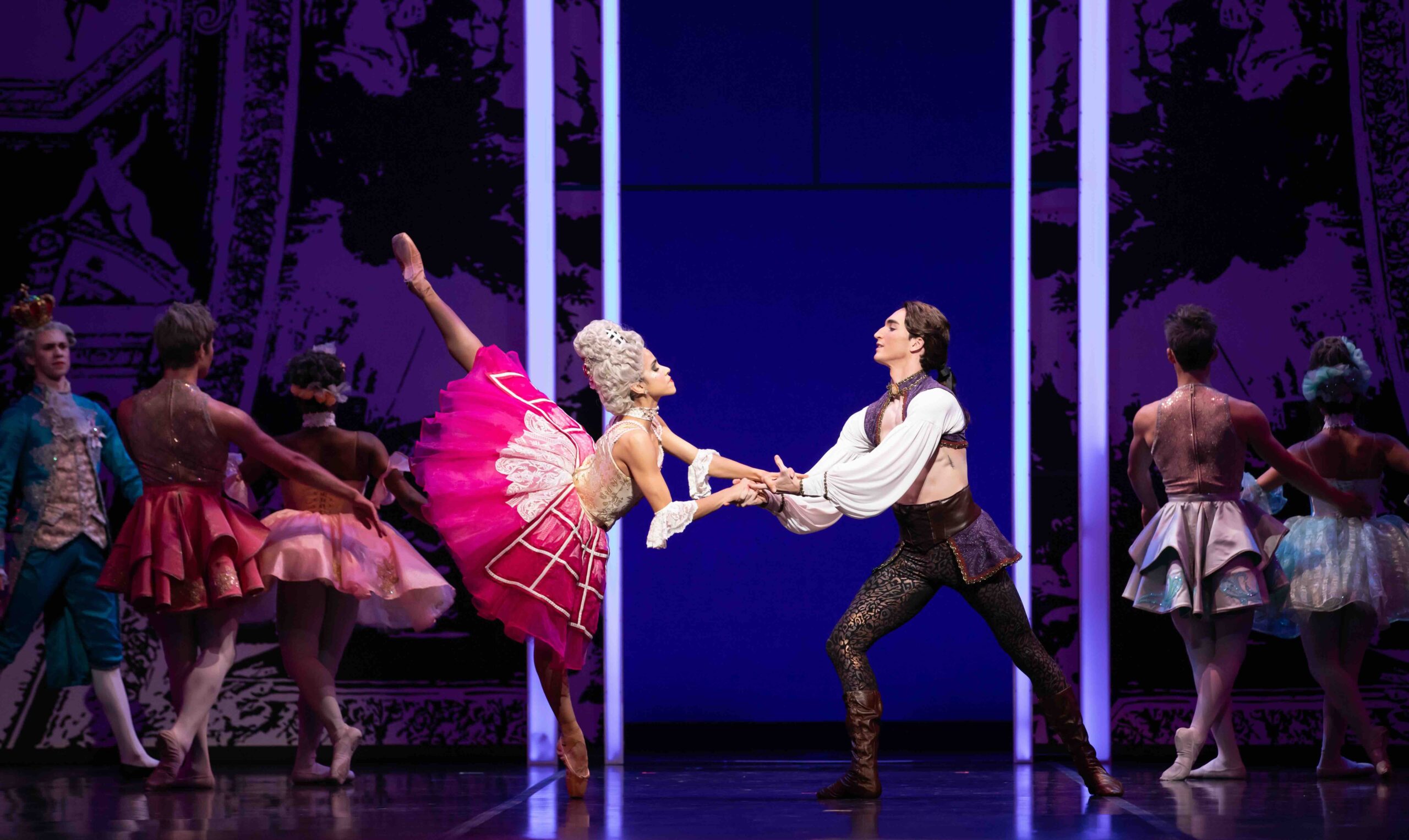
His Storytelling Journey Is From Classic Fairy Tales To A Blood-Soaked Reimagining Of Marie Antoinette
After a quarter century at the helm of Ballet Austin, Stephen Mills still refuses to stand still. The American dancer-turned-choreographer-turned-artistic-director has spent twenty-five years blurring boundaries between classical and contemporary, story and abstraction, beauty and decay. His choreography is equal parts elegance and edge, rooted in tradition yet alive with curiosity, according to our culture chronicler, a decades-long pal of Mills’, Lance Avery Morgan.
Portrait photography by Michael Thad Carter. Performance photography by Anne Marie Bloodgood, courtesy of Ballet Austin
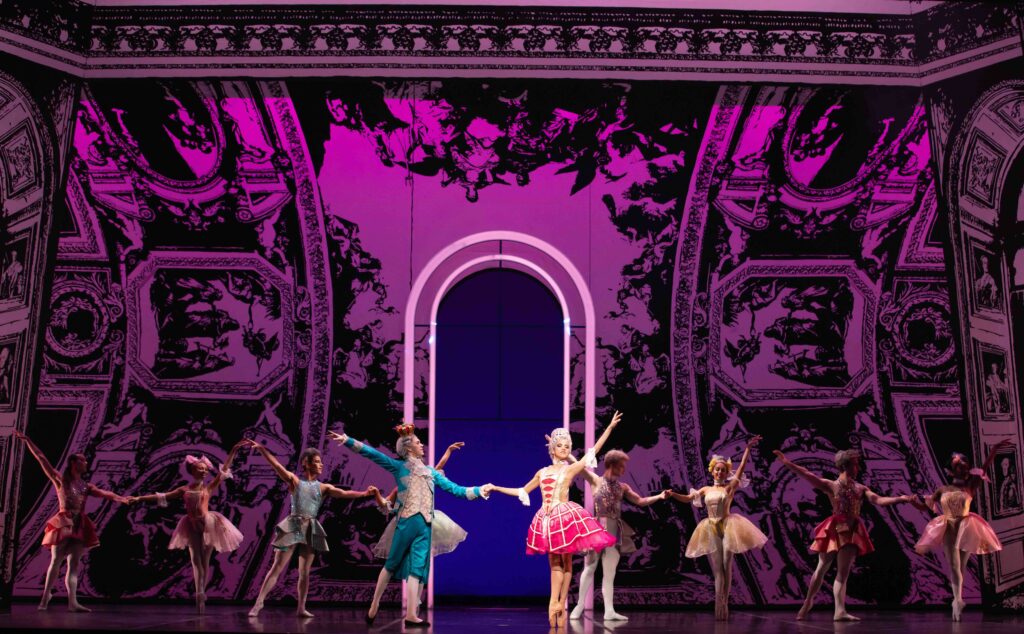
This spring, as he celebrated his milestone anniversary with the company, Mills premiered one of his most daring works yet: Ballet Austin’s Marie Antoinette: Vampire Queen of Versailles, a title that would make even Sofia Coppola clutch her French-inspired pearls.

But that’s the thing about Mills: he’s never been afraid to rewrite the rules.
The Evolution Of A Storyteller
When he first stepped into Ballet Austin’s leadership role in 1999, Mills thought of himself primarily as a choreographer, not an administrator. “I honestly did not imagine being in this role for twenty-five years,” shares Stephen Mills. “The biggest surprise is that I’m still here, and still deeply interested. The challenges inherent in dance-making have sustained me.”
To no one’s surprise, that curiosity has defined Mills’ career, propelling him through hundreds of works that have made Ballet Austin one of the most inventive regional companies in America.
“Marie Antoinette didn’t need my help retelling her story; I wanted to explore the themes that still haunt us today.”
His early storytelling leaned on the simplicity of a fairytale; his Cinderella was a classic in every sense. But today, his narratives crack open familiar myths to reveal the psychological and emotional depths beneath. “I’m more interested in the interior lives of my characters,” he says. “Writing my own narratives allows me to turn what might be a rote telling of a biography or ‘happening’ into something theatrical.”
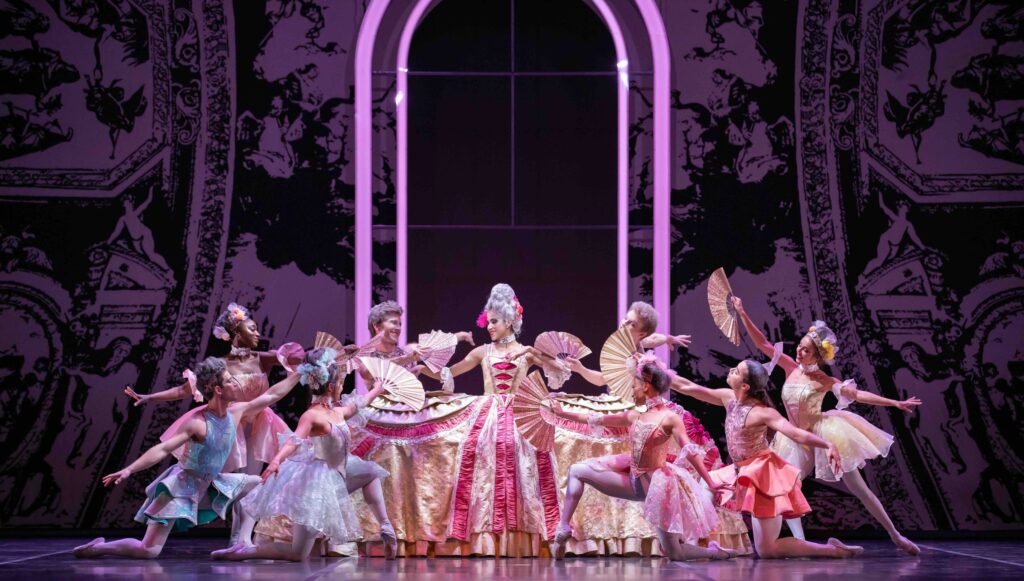
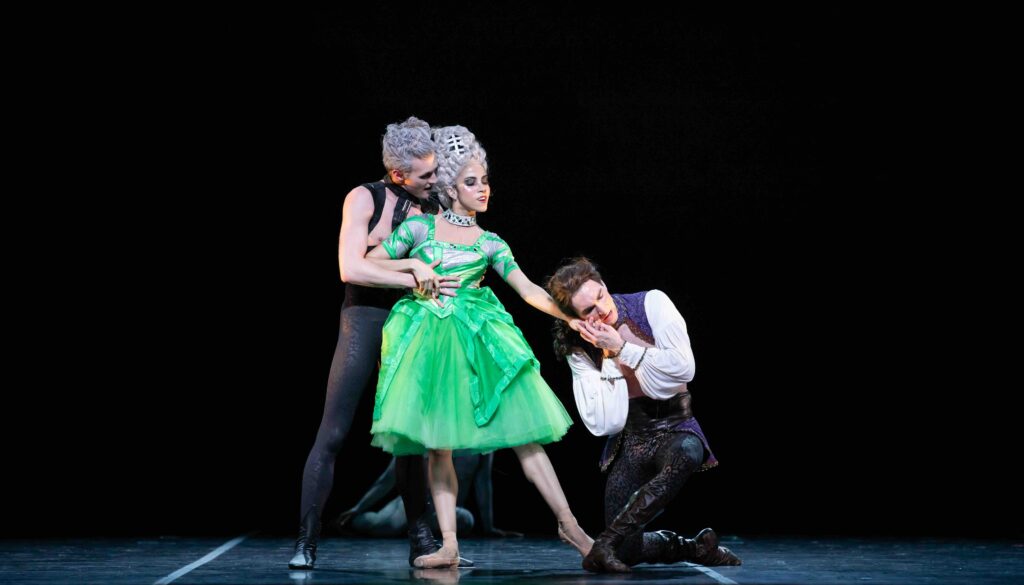
Enter Marie Antoinette: Vampire Queen of Versailles, Mills’ latest reimagining of history’s favorite scapegoat. By casting the ill-fated queen in a vampiric world, he reawakens a story everyone thinks they know and drenches it in blood, symbolism, and sociopolitical resonance.
“She was one of the most famous women in world history,” Mills says. “She didn’t need my help retelling the story everyone already knows. I wanted to explore greed, power, and inequality; themes that feel strikingly relevant today.”
“Beauty and decay are always in motion together. Sometimes beauty is just a façade for the darker elements at work.”
Tradition Meets Transformation
For Mills, art has always existed in the tension between the classical and the contemporary. He’s as reverent of tradition as he is irreverent toward its limitations.
“My curatorial role ensures that audiences experience the classical work that built this art form,” he explains. “But I’m not interested in recreating what already exists. In my own choreography, the vocabulary is ever evolving.”
That evolution extends beyond steps and pirouettes. Mills’ choreography mirrors the duality he sees in life itself. “Beauty and decay are always in motion together,” he reflects. “Sometimes beauty is just a façade for darker elements at work.”
In Marie Antoinette, that duality dances between Versailles’ opulence and the guillotine’s grim reality; a haunting reminder that grace and danger often share the same stage.
The Art Of Collaboration
Mills’ creative process is as generous as it is visionary. “When I work with designers, I lay out the narrative and movement ideas,” he says. “Then I step back and trust them to make it better. I’ve never been disappointed.”
That trust from his dancers, designers, and audience gives Ballet Austin its vitality and edge. Ask him about his “signature step,” and he’ll shrug with characteristic humility. “I’m not certain what my ‘signature’ might be,” he admits. “But revisiting work from across my career, I’ve been curiously pleased to see how my work has evolved.”
“Our audiences are diverse; the people who love movement, music, and the feeling of watching a human fly across space. Dance is for everyone.”
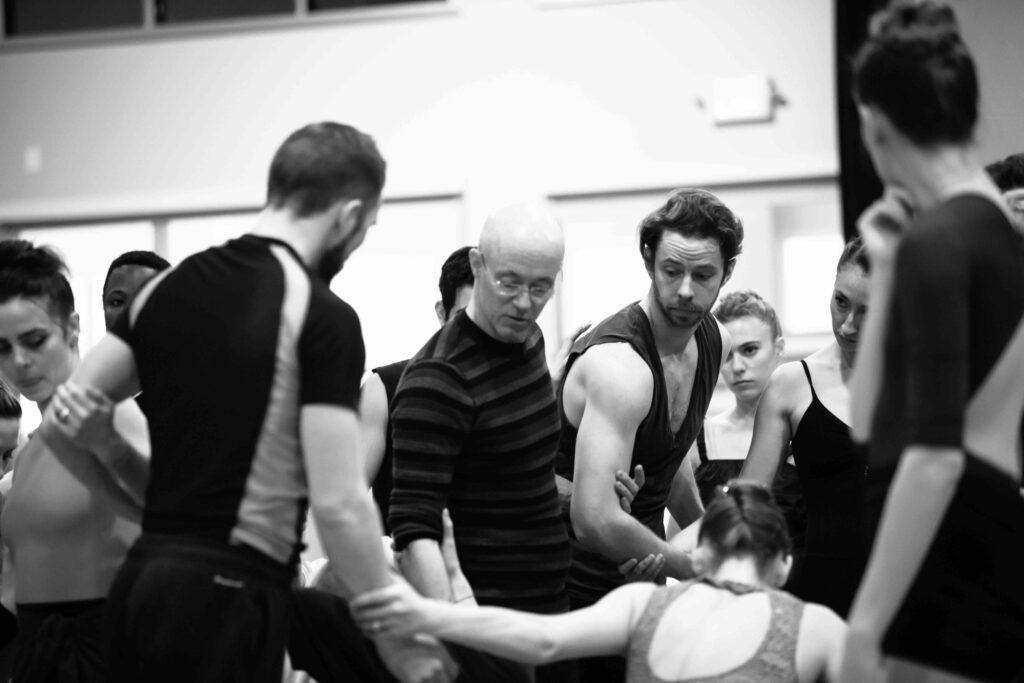
Ballet For Everyone
Under his leadership, Ballet Austin has grown into a company that feels distinctly modern, accessible, and proudly Texan. “Ballet was born from the court of Louis XIV at Versailles,” he says. “It began as an entitled art form. But dance today reflects different ideals. Our audiences are diverse; the people who love movement, music, and the feeling of watching a human fly across space. Dance is for everyone.”
That inclusive vision might be Mills’ most enduring legacy. At a time when the arts face unprecedented challenges, from funding to technology, he remains optimistic about ballet’s future. “Dance is of the body. It’s human and emotional. AI can’t replace that,” he says. “Art is about convening people to share an experience, to engage in dialogue, to see themselves reflected.”
And when future generations look back on the “Stephen Mills era” of Ballet Austin? He hopes the takeaway isn’t about fame, but foundation.
“At the beginning of my tenure, I wanted artists to be paid and respected as valuable citizens,” Mills reflects. “We’ve remained financially stable and created opportunities for young people to discover themselves through the hard work of dance. That’s the legacy of which I’m most proud.”
After 25 years, Stephen Mills still choreographs the way he lives; boldly, inquisitively, and with both feet firmly in motion. His dance vocabulary may evolve, but his message remains clear: beauty and meaning are born from movement. And for Ballet Austin, that dance is far from over.
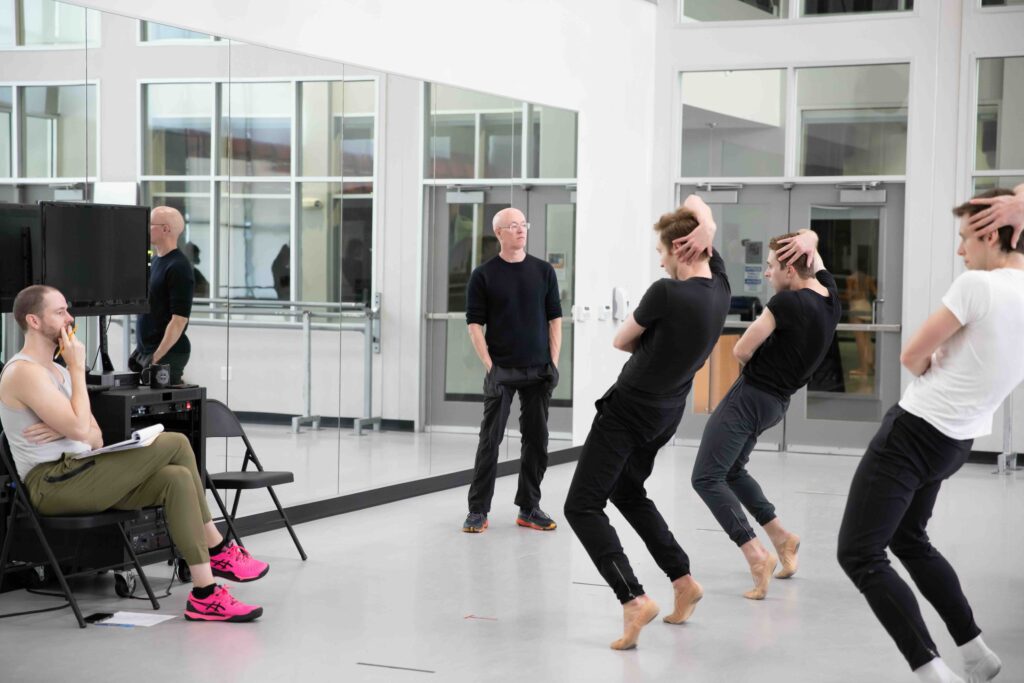
Five Defining Works Of The Stephen Mills Era…
1. Cinderella (1997)
A charming and traditional love story, this was Mills’ first full-length ballet and the foundation for his storytelling evolution.
2. Hamlet (2000)
A psychological deep-dive into Shakespeare’s tragic hero, marking Mills’ shift toward more emotional and abstract narratives.
3. Light / The Holocaust & Humanity Project (2005)
An internationally acclaimed work exploring human resilience, remembrance, and moral responsibility.
4. Grimm Tales (2019)
Dark, modern, and imaginative; proof that fairy tales aren’t just for children.
5. Marie Antoinette: Vampire Queen of Versailles (2026)
A bold reimagining of power, myth, and mortality that celebrates Mills’ 25th year leading Ballet Austin.
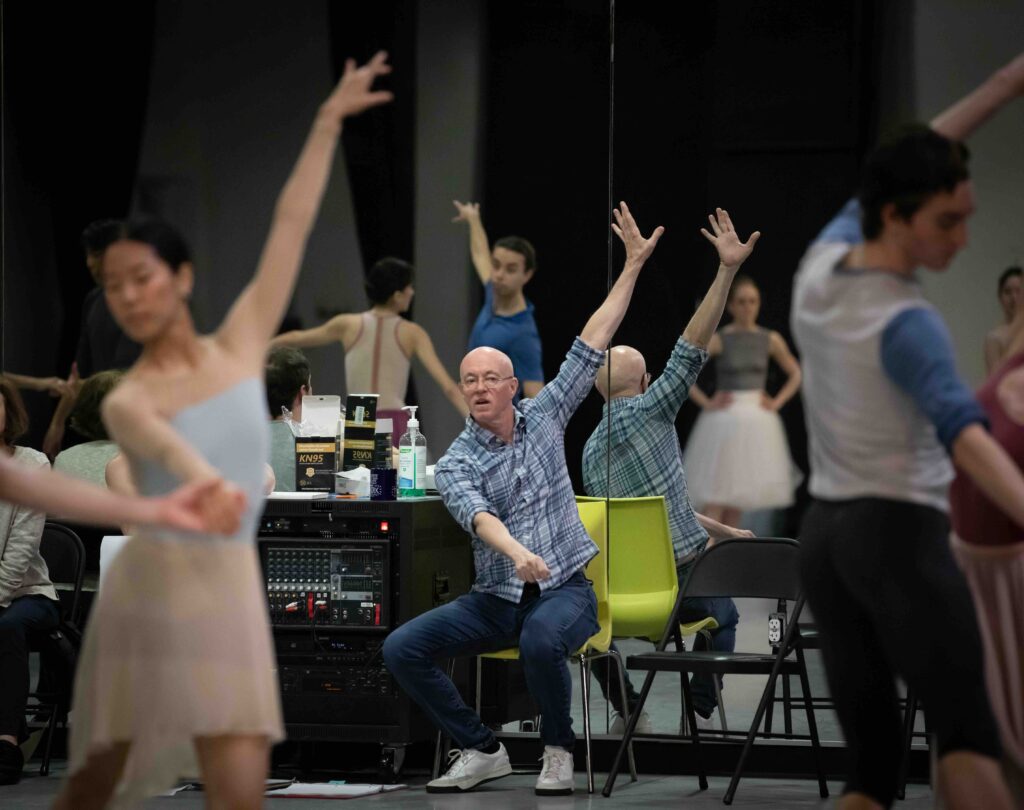
10 Reasons Stephen Mills’ 25-Year Reign At Ballet Austin Still Dances On The Edge
- He Turned a Regional Company Into a National Force
Over 25 years, Stephen Mills has positioned Ballet Austin as one of America’s most inventive regional ballet companies, blending classical precision with contemporary daring. - He Rewrites Myths Instead of Repeating Them
From fairy tales to fallen queens, Mills cracks open familiar stories and reframes them through a modern psychological lens. - He’s Not Afraid of the Dark
Marie Antoinette: Vampire Queen of Versailles proves he’s willing to drench history in symbolism, blood, and sociopolitical resonance to explore greed, power, and inequality. - He Honors Tradition Without Being Trapped By It
Mills curates classical masterworks while continuously evolving his own choreographic vocabulary. - He Balances Beauty and Decay
His work often explores the tension between opulence and collapse, grace and danger, surface and substance. - He Trusts Collaboration
By empowering designers and dancers to elevate his ideas, Mills ensures each production is richer and more layered than the last. - He Evolved From Storybook Simplicity to Emotional Depth
Early works like Cinderella showcased classical storytelling; later works reveal layered interior lives and complex emotional landscapes. - He Created Globally Resonant Work
Light/The Holocaust & Humanity Project expanded Ballet Austin’s reach and reputation through its profound moral inquiry. - He Champions Accessibility
Under his leadership, Ballet Austin has become modern, welcoming, and reflective of a diverse Texas audience. His philosophy is simple: dance is for everyone. - He Built a Legacy of Stability and Respect for Artists
Beyond choreography, Mills strengthened financial stability and prioritized paying and valuing artists as vital cultural contributors.