 Lance Avery Morgan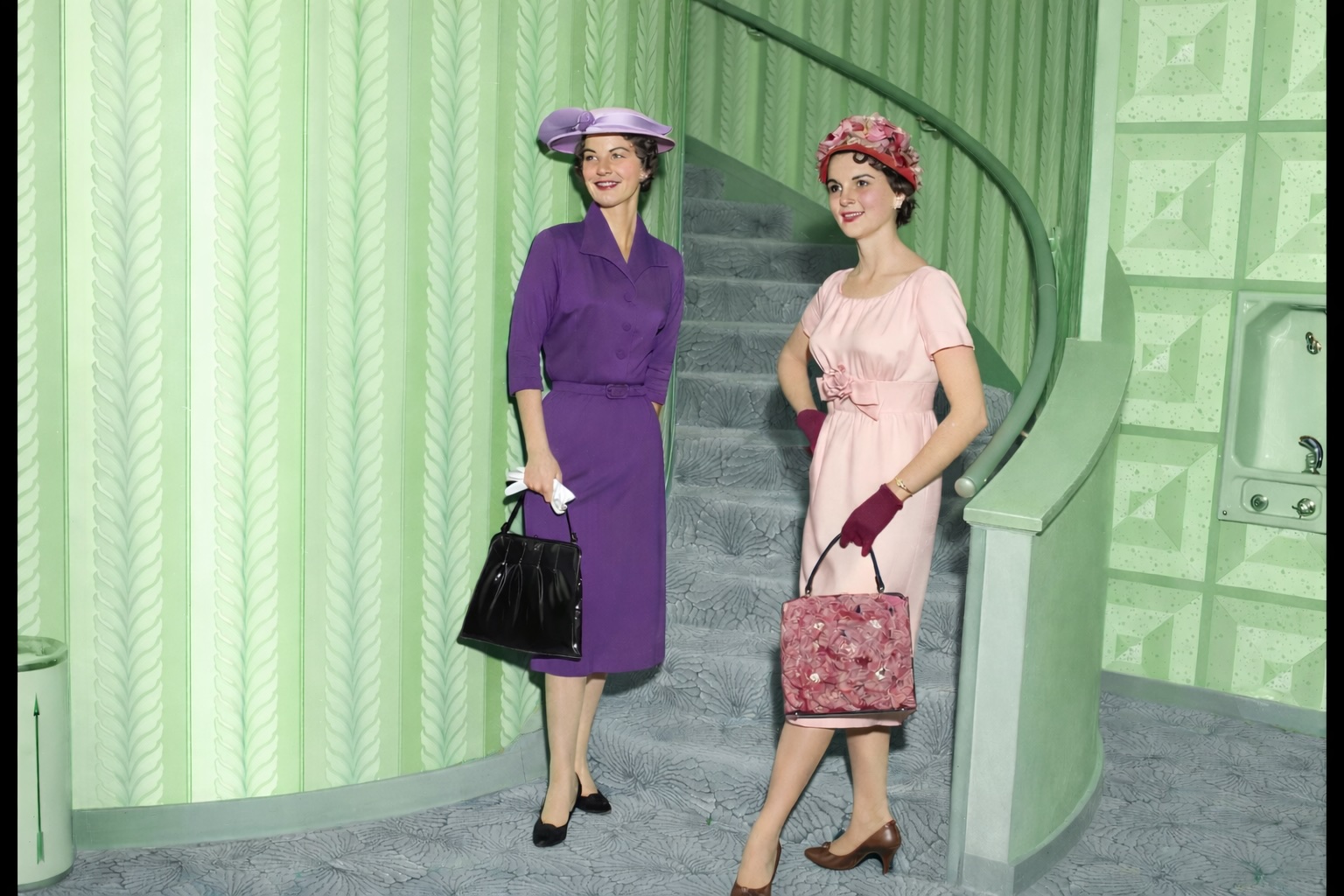
When Style For Miles Lined Downtown Streets With Retail Destinations As Far As The Eye Could See
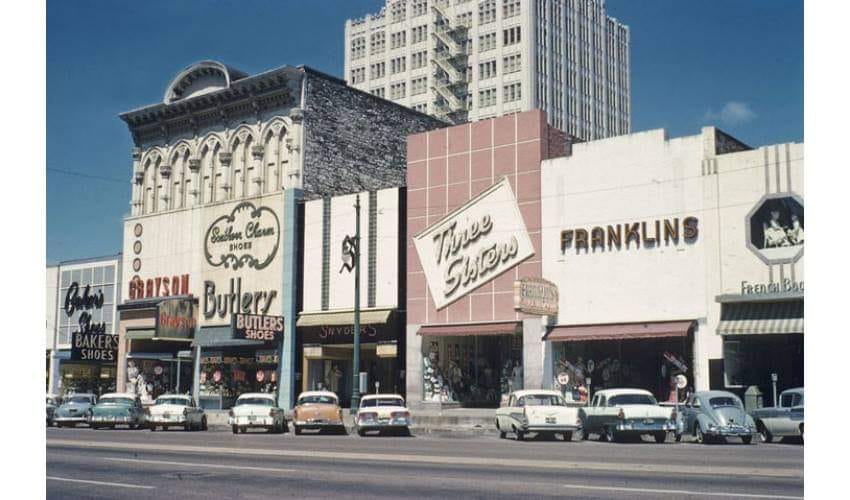
Imagine stepping into a world where elegance wasn’t a lifestyle choice but a basic expectation. From the mid-1930s through the mid-1980s, Texans, especially in San Antonio and Austin, lived precisely in such a world. During those decades, the streets doubled as runways, lined with citizens in tailored suits, sweeping coats, crisp gloves, and hats of every imaginable tilt and brim. Dressing well wasn’t vanity; it was civic participation. It was how one showed respect for the day, for the city, and for oneself. To be properly dressed was a public ritual, a daily performance reflecting the optimism, order, and aspirational polish of mid-century American life, notes our pop culture seeker Lance Avery Morgan.
Fashion As A Social Contract
This golden age of downtown shopping unfolded alongside seismic national and global shifts: recovery from the Great Depression, the upheaval of World War II, and the prosperity of the postwar boom. In Texas, as elsewhere, fashion was inseparable from these currents. Clothing became both a declaration of individual ambition and a collective affirmation of modernity.
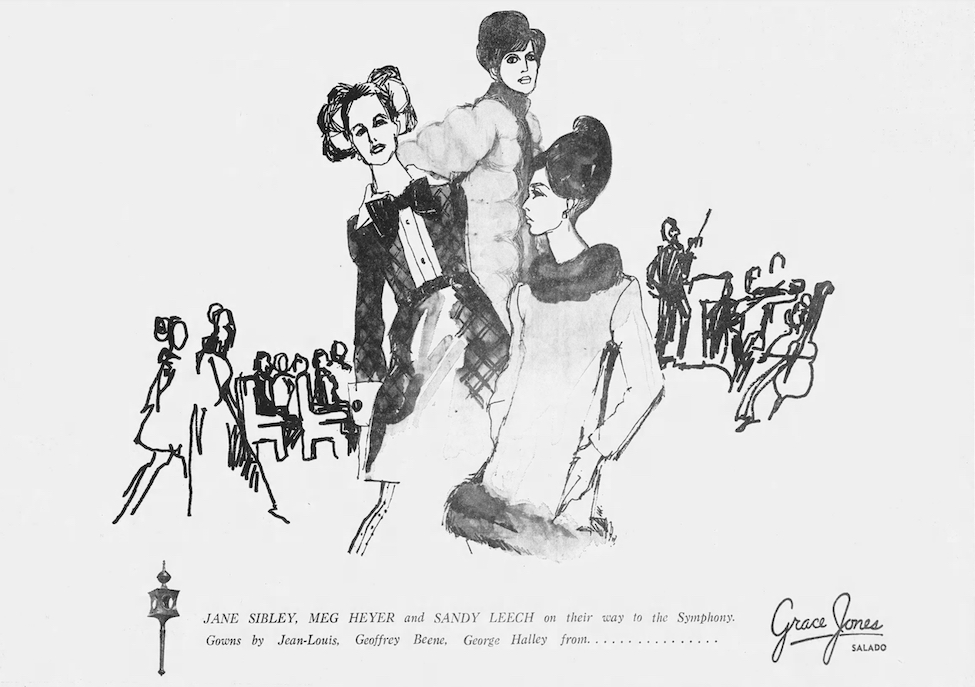
In San Antonio and Austin, style was concentrated downtown, the commercial and cultural heart of each city. These were not merely shopping districts; they were theaters of public life. Shoppers, office workers, diners, and theatergoers all took part in a shared choreography of refinement. Fashion was the rule, not the rebellion; rarely questioned and widely admired. Before suburban malls scattered commerce across the outskirts, downtown was where Texans shopped, worked, dined, flirted, and showed up looking their best. These streets weren’t just practical; they were performative.
Courtesy UTSA Libraries Special Collections
The Downtown Retail Arcadia Of San Antonio
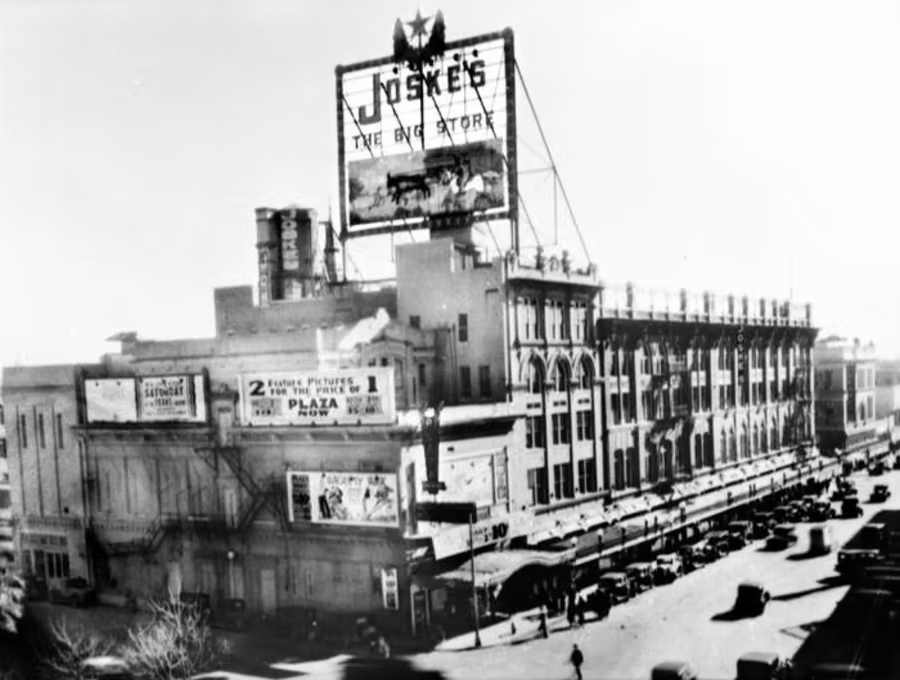
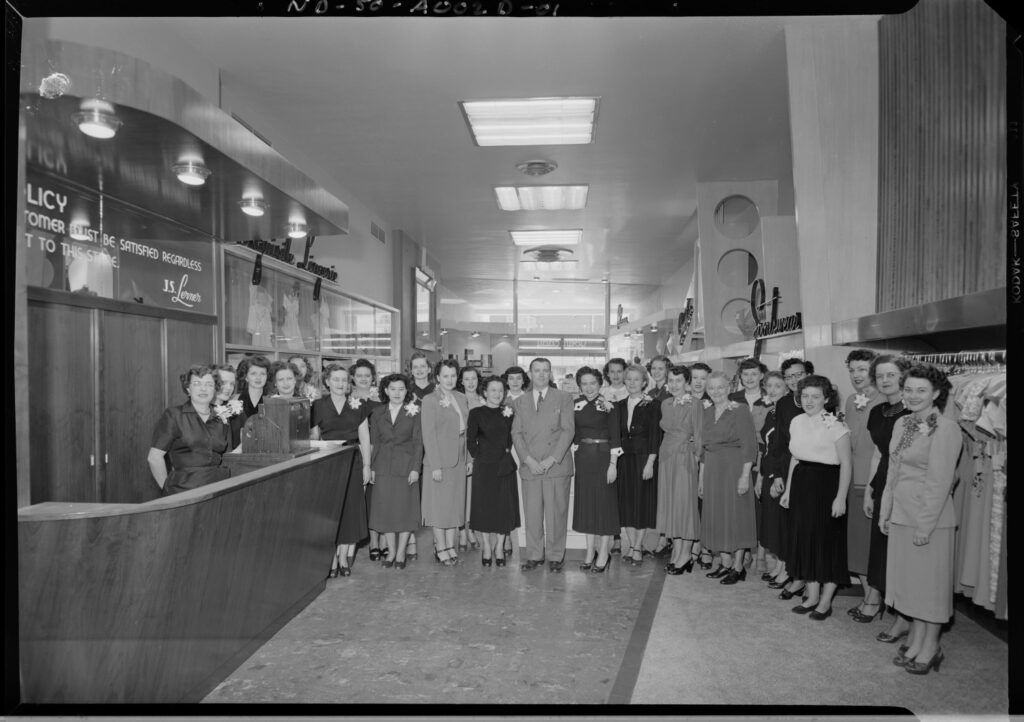
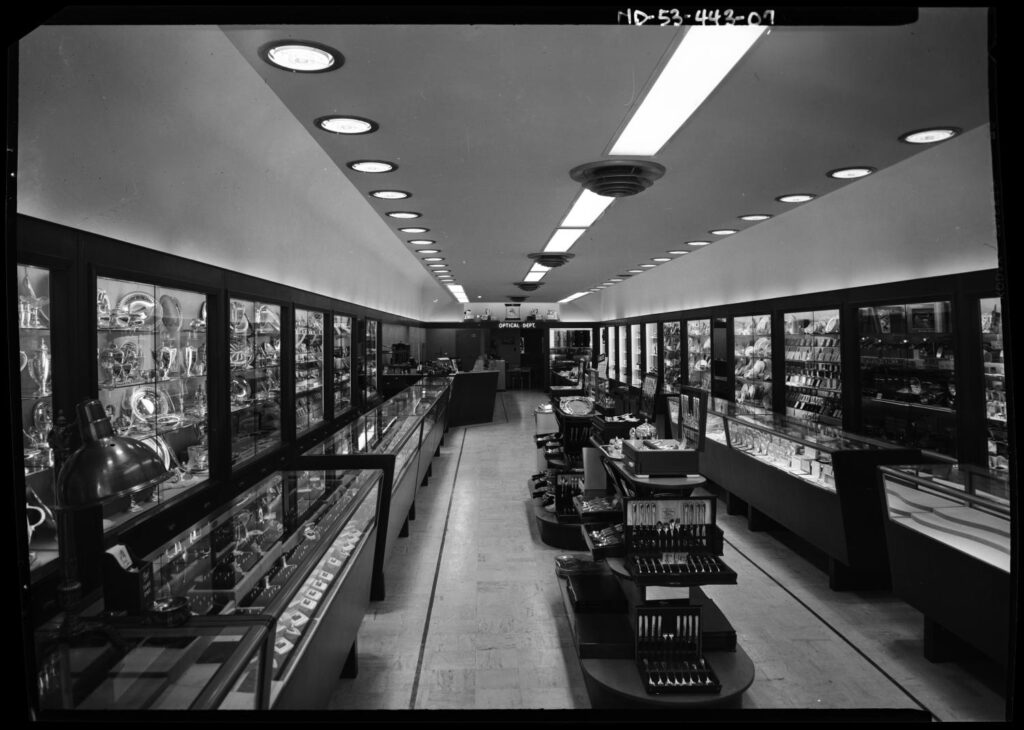
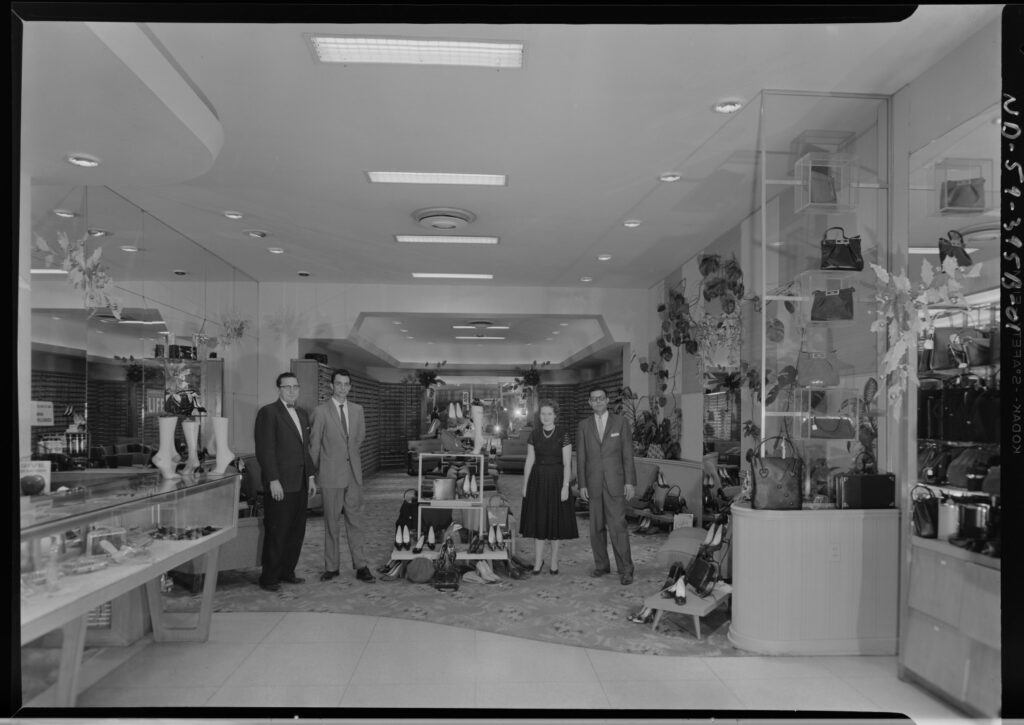
San Antonio, already among the nation’s fastest-growing cities at the time, emerged as a bona fide retail capital. Its shopping district radiated outward from Commerce and Houston Streets, anchored by grand department stores and elegant boutiques. Joske’s, Frost Bros., The Vogue Shop, Frank Brothers; these weren’t merely stores; they were civic institutions, woven tightly into the city’s social fabric.
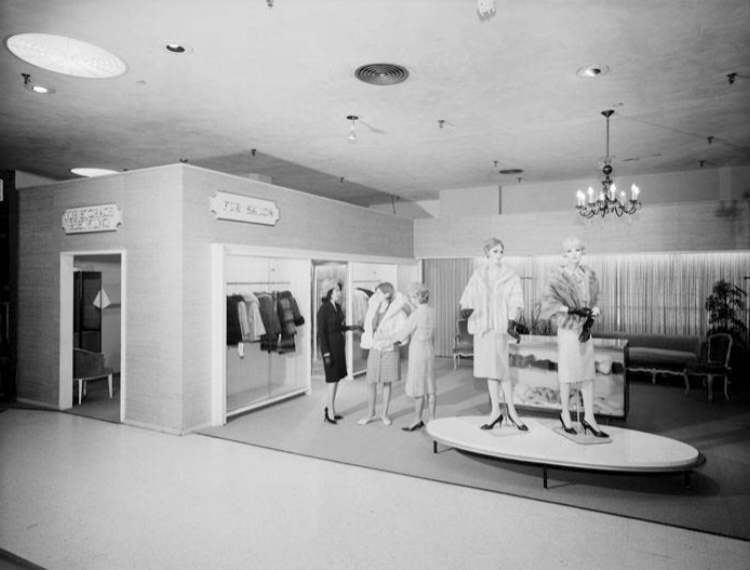
Towering above them all was Joske’s. Founded in the 19th century and dramatically expanded by 1953, the flagship spanned an astonishing 551,000 square feet across five floors, making it the largest department store west of the Mississippi at the time. Its motto, “the biggest store in the biggest state,” was no exaggeration. Fully air-conditioned, nothing short of miraculous in a Central Texas summer, Joske’s was both retail wonder and social refuge. You could buy premium dresses, sporting goods, furniture, and fine china under one roof, a self-contained world of aspiration. The store grew so expansively that it practically wrapped itself around the neighboring church, an architectural metaphor if there ever was one.
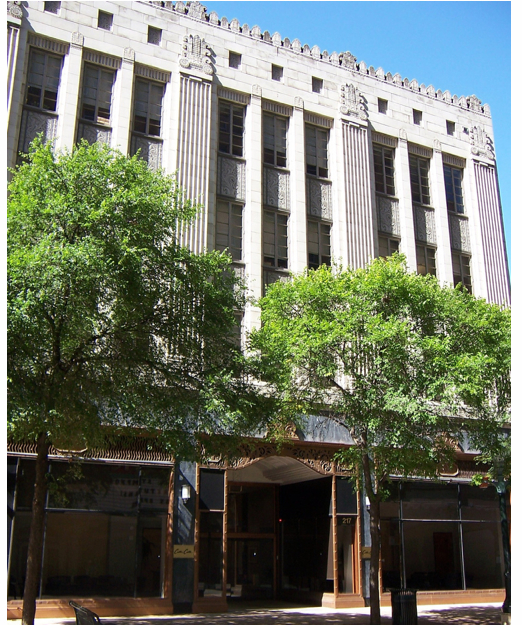
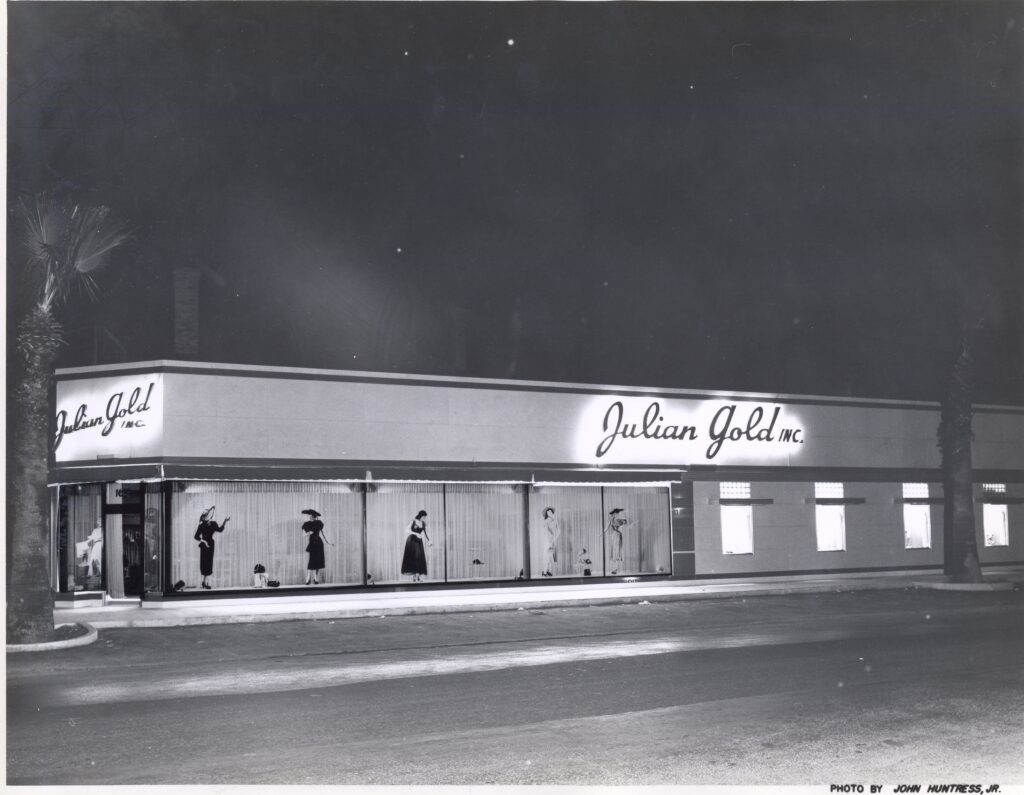
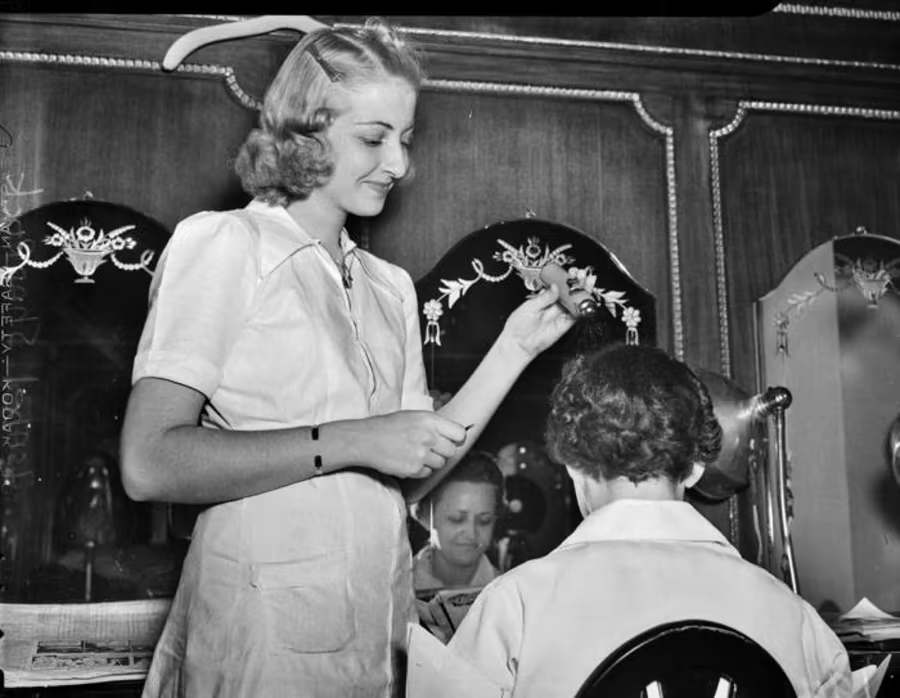
Frost Bros., founded in 1917, delivered metropolitan sophistication with surgical precision. Renowned for its personal shoppers and meticulous service, it rivaled Neiman Marcus in Dallas and Saks Fifth Avenue in New York. Its specialized departments, such as the Blouse Bar, Predictions Shop, Young Miss Frost Shop, and Maison Antoine Beauty Salon, attended to every dimension of a fashionable life. The store’s lavender-gray boxes, each topped with a single long-stemmed flower, became talismans of luxury in San Antonio households.
Local, Yet Worldly
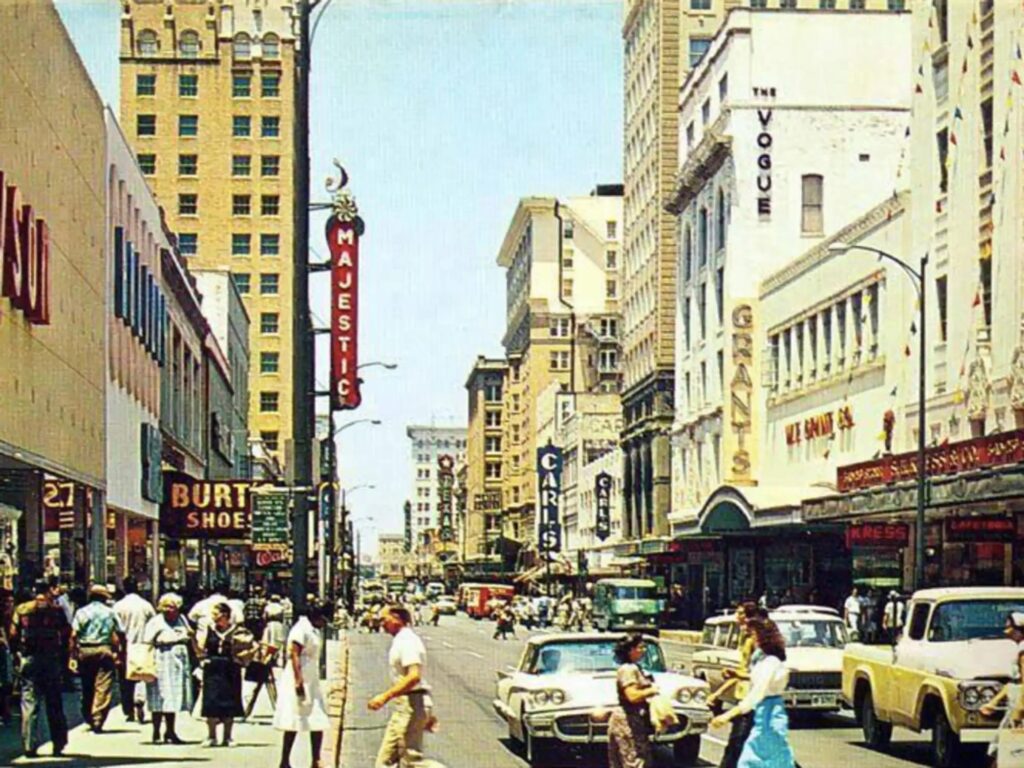
Julian Gold, founded in 1945 in Alamo Heights, raised the bar even higher. Initially devoted to suits and dresses, the store evolved in the 1960s to embrace sportswear while maintaining its founding mantra: service, fashion, and more service. Remarkably, Julian Gold remains a living thread to this golden era, still thriving today with locations across Texas in San Antonio, Austin, Corpus Christi, and Midland.
The emotional pull of these stores lingers vividly in memory. San Antonio resident Peter Selig recalls, “Coming from Seguin with our mother to spend the day shopping downtown was an adventure in the big city lights. At Joske’s, we might lunch in the mural-walled Camellia Room, while Frost Bros. was as close to New York City style as my mother could find in South Texas.”
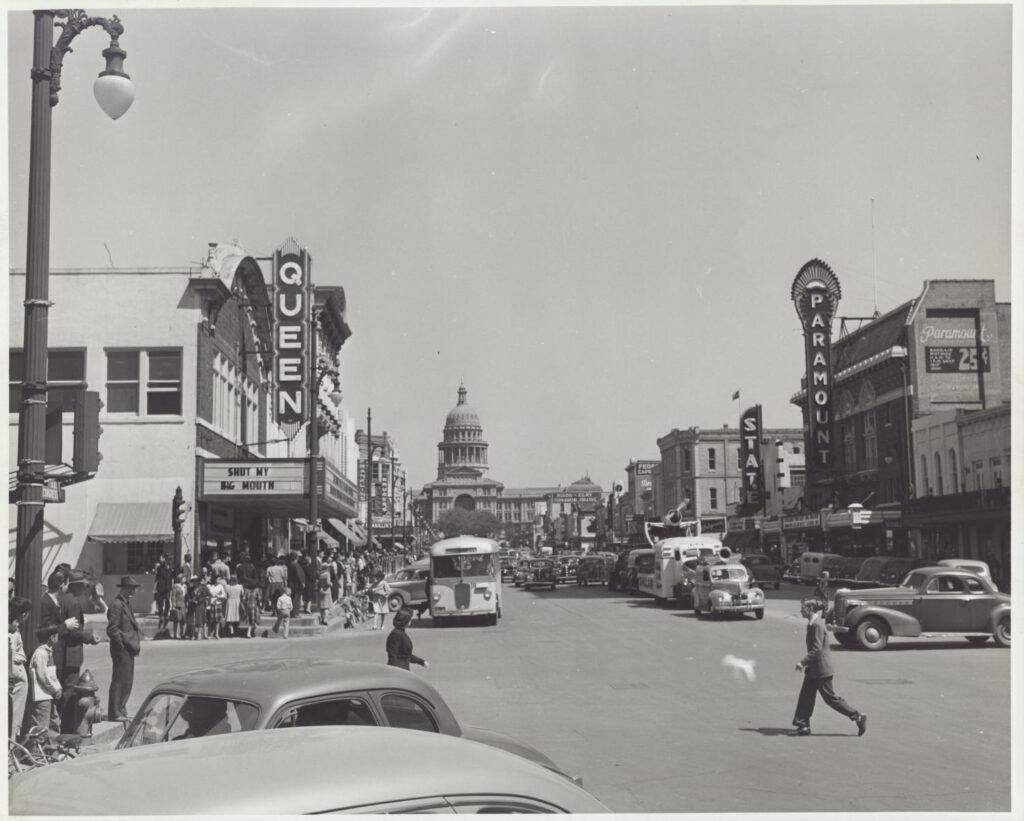
Shopping was never just transactional. One gathered a few necessities, enjoyed lunch, then perhaps caught a matinee at the Majestic (opened in 1929), Texas, Aztec, or Empire theatres. Austin mirrored this rhythm on its own “Show Row,” with the Paramount (opened in 1915), Queen, State, Ritz, and Capital theatres anchoring a similarly polished downtown ritual.
Austin’s Capital Chic, With Small-Town Grace
Austin, the state capital and home to The University of Texas, may have been smaller than San Antonio, but it was no less style-conscious. In 1955, San Antonio’s population hovered around 542,000, while Austin counted roughly 161,000, but the capital’s downtown pulsed with civic pride and commercial energy. Anchored at Sixth Street and Congress Avenue, the city’s core was where politics, culture, and fashion met.
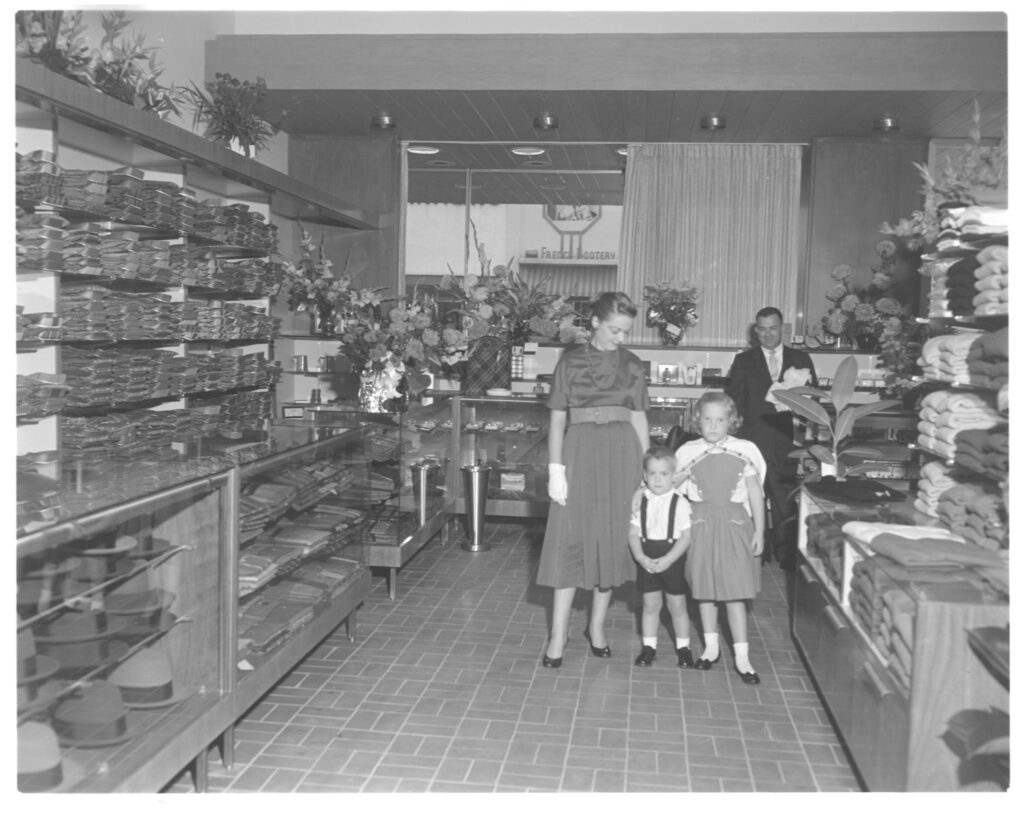
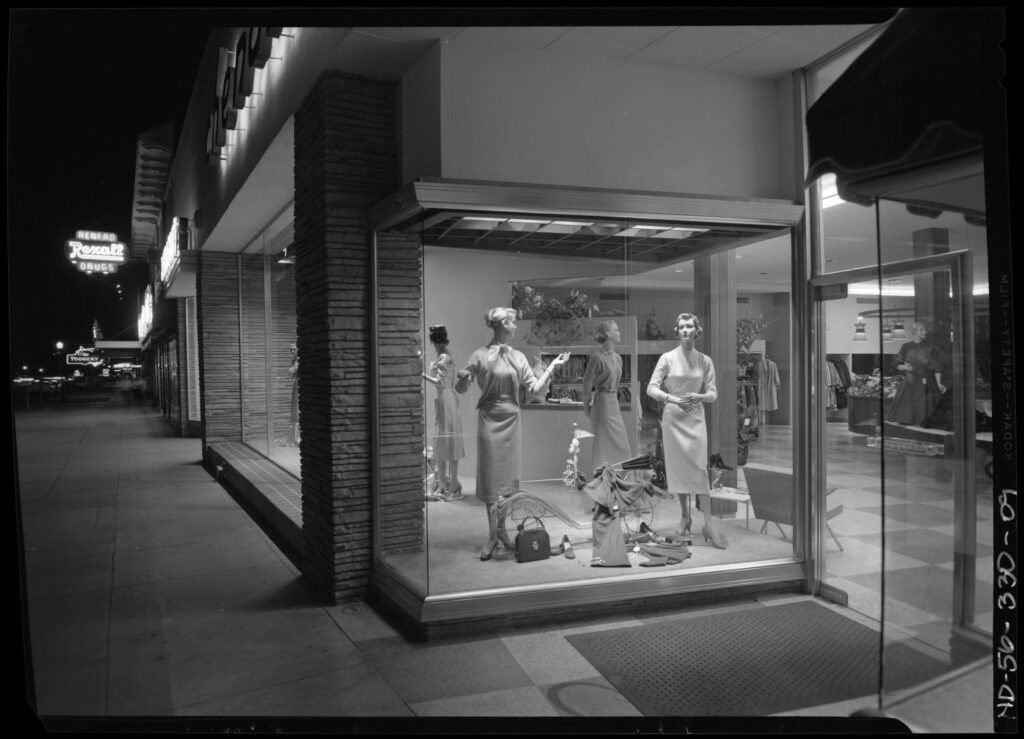
Scarbrough’s reigned supreme. An Art Deco masterpiece, the store brought big-city polish to what was still a relatively provincial town. Its multi-floor flagship wasn’t just a shopping destination; it was a downtown landmark. Austin’s retail scene also included specialty shops like the French Bootery, Marie Antoinette, and Goodfriend’s, each carving out distinct niches in women’s fashion, shoes, and accessories.
“My favorite stores downtown were on Congress Avenue, shared longtime Austin resident, Rose Parris. “I worked one block from Congress and could shop on my lunch hour. Downtown Austin’s transit needs were served by the Austin Transit Company’s “lunch hour” shopping shuttle. Workers in the Capitol Complex and nearby offices used the shuttle. Their primary destinations for mid-day shopping were stores on Congress. Frequent lunch stops for the workers riding the bus were Piccadilly Cafeteria at 8th and Congress and the lunch counter at Woolworth’s at 6th and Congress. The accessibility made shopping convenient and enjoyable, allowing me to visit several stores and socialize with coworkers during breaks.”
She continues, “I shopped for a wardrobe that consisted of professional and versatile pieces designed for the office environment. Scarbrough’s, Yaring’s, Snyders-Chenards, Marie Antoinette, and Goodfriend’s were good sources for the “secretary look” and became my favorite stores. Each store had its own distinct atmosphere and selection, making shopping a unique experience at every location. Scarbrough’s, in particular, was known for its attentive service and quality merchandise.”
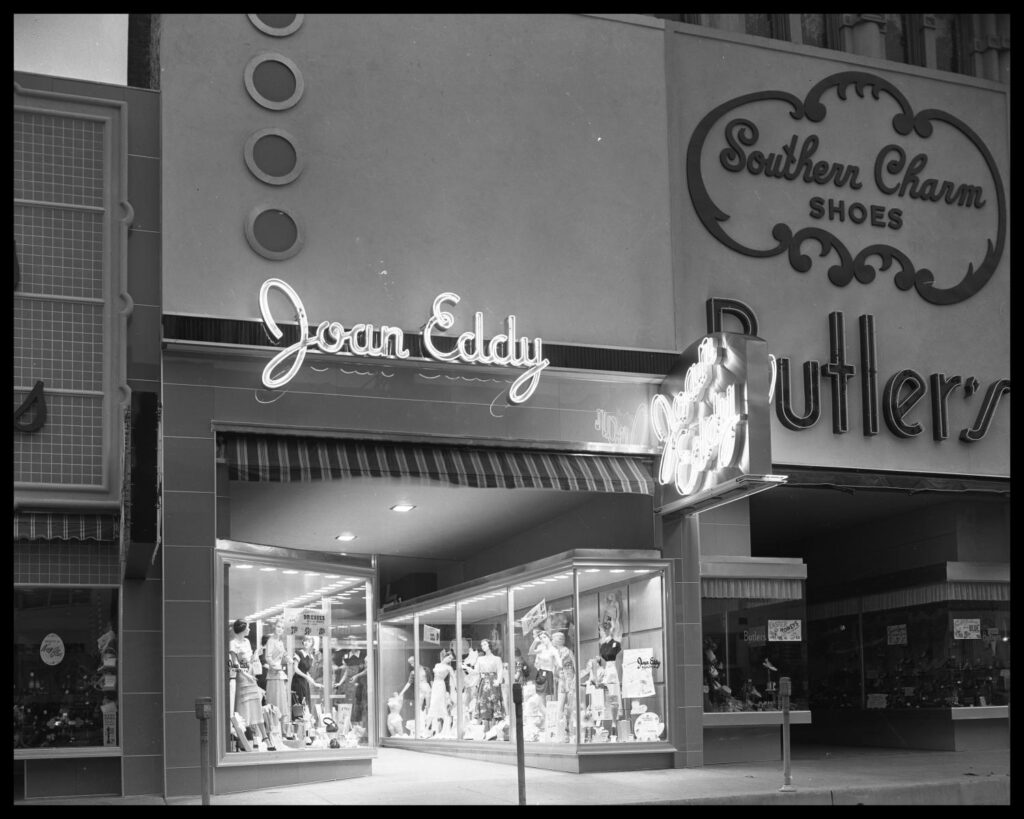
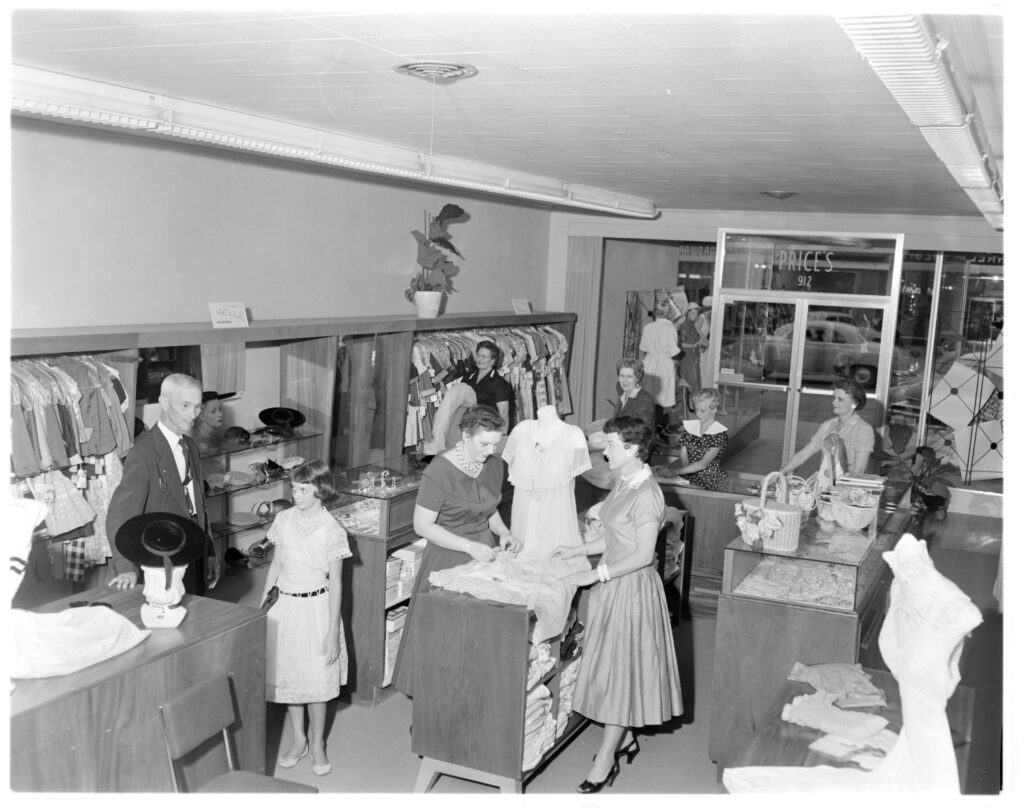
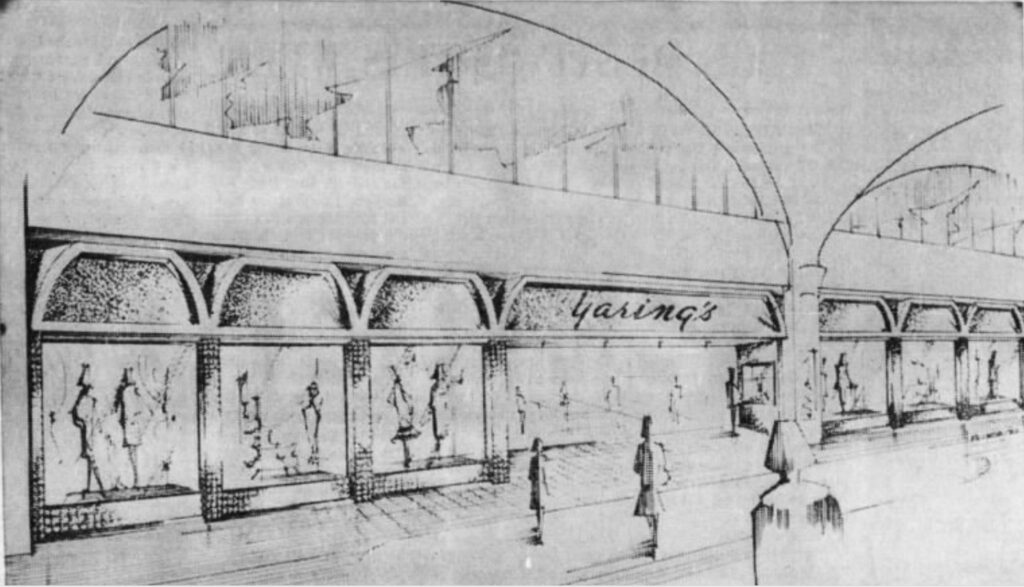
Just down Congress, Yaring’s stood out with its pink-and-white façade and youthful sensibility. In the 1960s, the store leaned boldly into the global “youthquake,” installing pink shag carpeting and pop-art window displays. Their Southwood store, opening in 1967, would be a great success. Perhaps its most inspired innovation was the Teen Board, long before influencer culture existed. Local high school girls served as models and ambassadors, creating aspirational bridges between generations.
Lifelong Austinite Karen Anderson Lanfear, whose 1970s All-American beauty epitomized the era, served on the Yaring’s Teen Board. “My principal at Travis High School called me into the office and told me the school was recommending me,” she recalls. After interviewing downtown, she was selected. “We did photo shoots for the store and for the American-Statesman newspaper. Our headshots hung on the wall. I walked in fashion shows, including the grand opening at Northcross Mall. Yaring’s even gave me a job, which I appreciated at 16. It taught me retail before I started school full-time at U.T.”
Sartorial Standards For Men
Women’s fashion may have dazzled, but men’s style carried equal authority. Downtown clothiers ensured Texas gentlemen projected polish worthy of Hollywood leading men. In San Antonio, Frank Bros. and Wolff & Marx outfitted generations. In Austin, Reynolds Penland set the tone, joined by Slax Menswear, Bloomquist Clark, The Toggery, and Merritt, Shaefer & Brown.
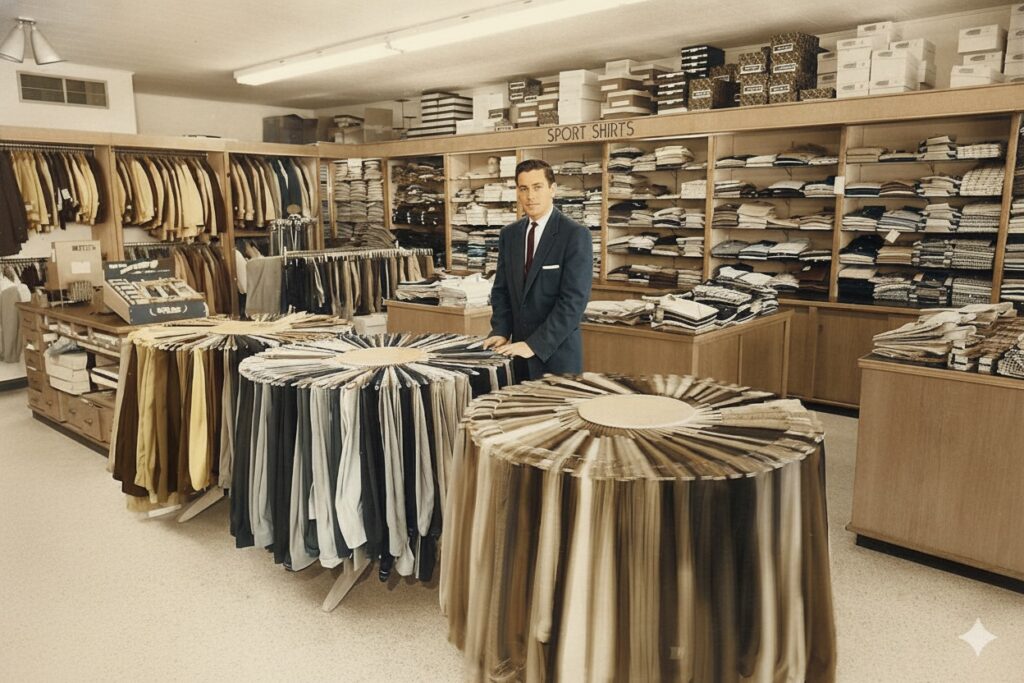
“Every single man was suited, young and old,” recalls Mike Reynolds of Reynolds Penland. “Most wore hats. Some wore boutonnieres. Clothing introduced you before you ever opened your mouth.” The store even published an annual Best Dressed in Austin list, turning lawyers, bankers, and politicians into unofficial style authorities.
The Suburban Shift
By the late 1950s and 1960s, the ground began to shift… literally. Suburban expansion and the rise of automobile culture ushered in open-air centers and malls. San Antonio gained North Star Mall and, later, The Shops at La Cantera. Austin welcomed Hancock Center in 1963 and Highland Mall in 1970. Highland Mall was big-city sophistication in yesteryear’s Austin. Almost everyone who experienced it often recalls the two-story mall with fondness and the variety of stores ranging from Scarborough’s, Joske’s, Wicks ‘N Sticks, Lillie Rubin, J Riggin’s, and so many other stylish stores that offered a variety for every budget.
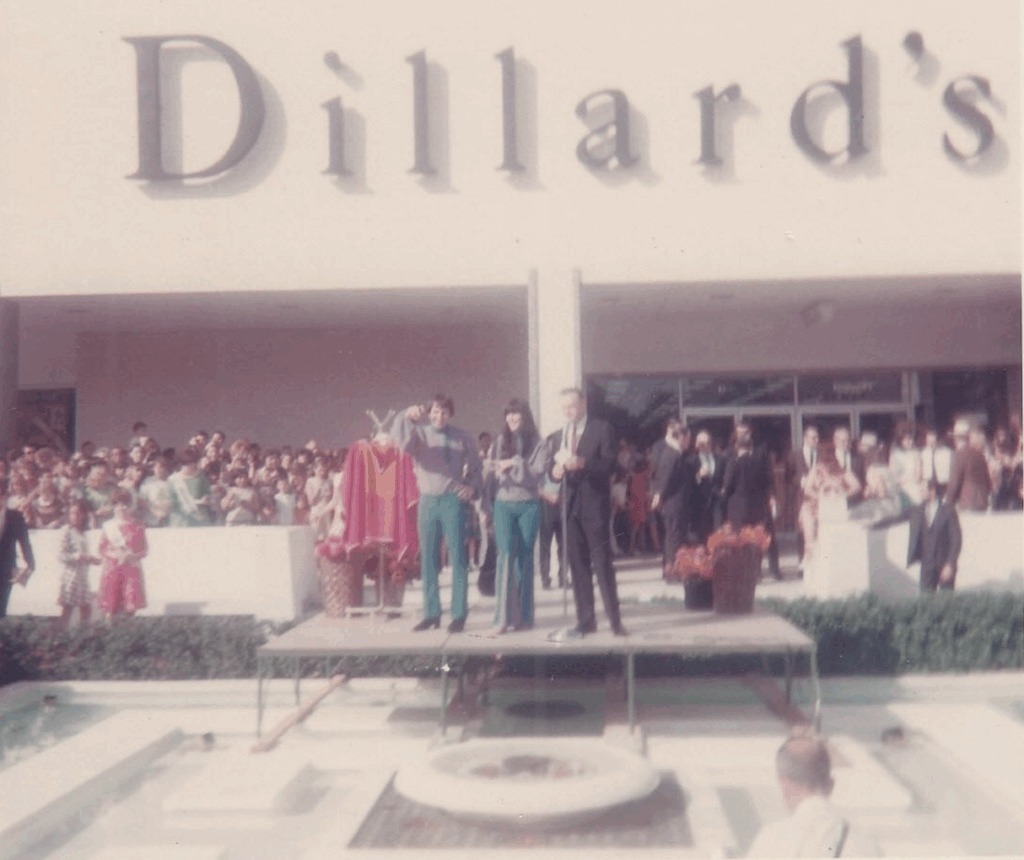
Hancock Center rose on land once belonging to the Austin Country Club’s back nine. After the club relocated, the city transformed the area into parkland and municipal golf facilities, alongside the new shopping center. The outdoor mall concept felt revolutionary. Anchored by Dillard’s and Sears, with G.C. Murphy’s 5 & 10 and shops like Snyders-Chenard’s, Richman Brothers, Corrigan’s Jewelers, and Zale’s, Hancock Center offered convenience without sacrificing style. Dining options, from Wyatt’s Cafeteria to El Chico and Sommers Rexall’s luncheonette, made it a full-day destination. Nearby Capital Plaza, east of I-35, served a similar role for East Austin shoppers.
Legacy And Lingering Glamour
Mid-century fashion culture in San Antonio and Austin was about far more than clothes. It was about civic identity, aspiration, and the shared pleasure of presenting oneself well. Stores like Joske’s, Frost Bros., Scarbrough’s, and Julian Gold didn’t merely sell garments; they shaped community, ritual, and memory.
Though suburban malls and later digital commerce changed how Texans shop, the glamour of this era endures. Today’s boutiques, department stores, and lifestyle centers stand on foundations laid by generations who believed fashion was both art and obligation.
The story of Texas style from 1935 to 1985 is thus both local history and cultural mirror. It reveals how Texans once understood themselves: urbane yet grounded, modern yet ceremonial, and always… always determined to put their best foot, hat, and hemline forward.