 Lance Avery Morgan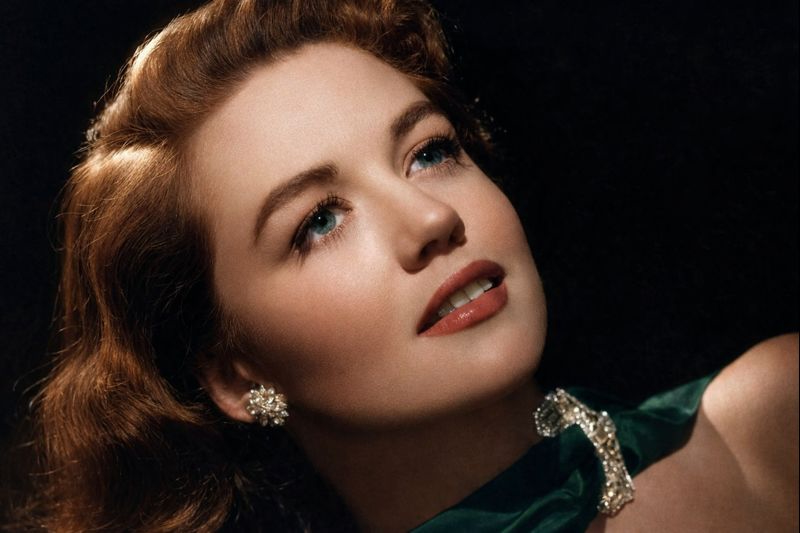
Her Smoldering Talent & Beauty Took Her From Texas To Tinseltown… To Worldwide Fame
There was always something about Dorothy Malone that felt slightly out of step with Hollywood, even when she was successfully right in the middle of it. On-screen, she could be the perfect sweetheart, the fiery temptress, the refined mother, or the glamorous grande dame. Off-screen, she was a Dallas girl at heart, a Neiman Marcus model who became an Academy Award winner, a studio contract player who dared to sue her bosses, and a television star who prioritized family dinners with her daughters over ratings. Hers was a career that spanned five decades, touching nearly every corner of American popular culture, from 1940s musicals to 1990s thrillers, as our pop culture arbiter Lance Avery Morgan reveals here about the vivacious movie star who rose to fame during the Golden Age of Hollywood.
The Early Years: From Dallas To Hollywood
She signed her first contract with RKO in the early 1940s, appearing in minor, often uncredited roles in wartime B-movies and swing-era films. By 1943, she was working steadily, honing her skills in lightweight fare while earning a reputation for reliability and camera-ready energy. Additionally, her heavy-lidded, come-hither stare inspired soldiers during World War II. When she volunteered at the Hollywood Canteen, she was the favorite of soldiers to dance with, and she captivated many hearts among the regular Joes who sought her out at the fabled venue.
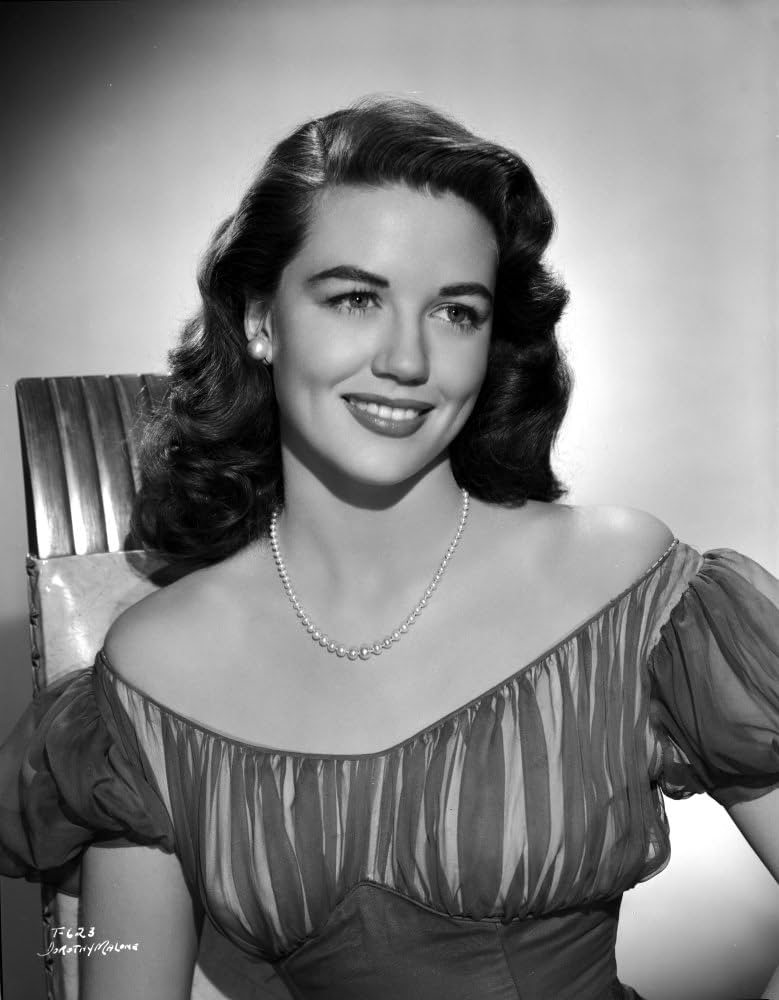
But it all had to begin somewhere. Born Mary Dorothy Maloney in 1924, she was raised in Dallas from infancy. Educated at Ursuline Academy and later Highland Park High School, she cultivated her love of performance on school stages. At Southern Methodist University, she studied drama, where a Warner Bros. scout spotted her and whisked her to Hollywood. Her striking blue eyes and photogenic poise made her an easy fit for the studio system, having modeled at Neiman Marcus (of course).
Warner Bros. & The Starring Breakthrough
Her first fundamental breakout role was a cameo, though what a cameo it was.
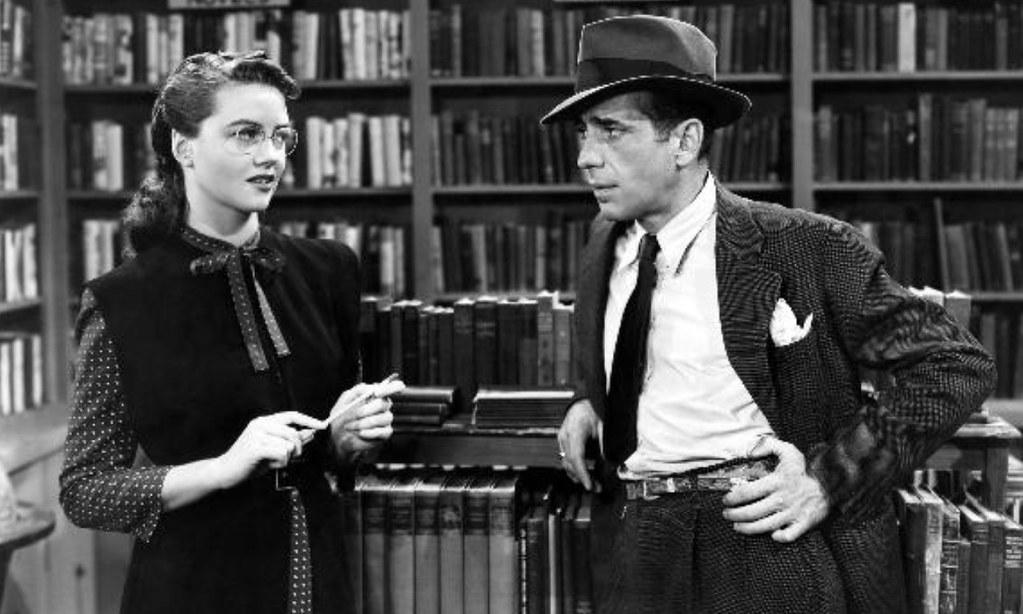
In The Big Sleep (1946), director Howard Hawks cast her as a bespectacled bookstore clerk opposite Humphrey Bogart. It was one scene, just a few lines. But the chemistry and transformation, when she slyly removes her glasses and pours a drink while rain beats down outside, became one of the most talked-about moments in the film. After all, Hawks had discovered Lauren Bacall, so lightning struck twice when Malone ignited the screen. The press called her the “bookshop girl,” and Malone suddenly had a presence in Hollywood.
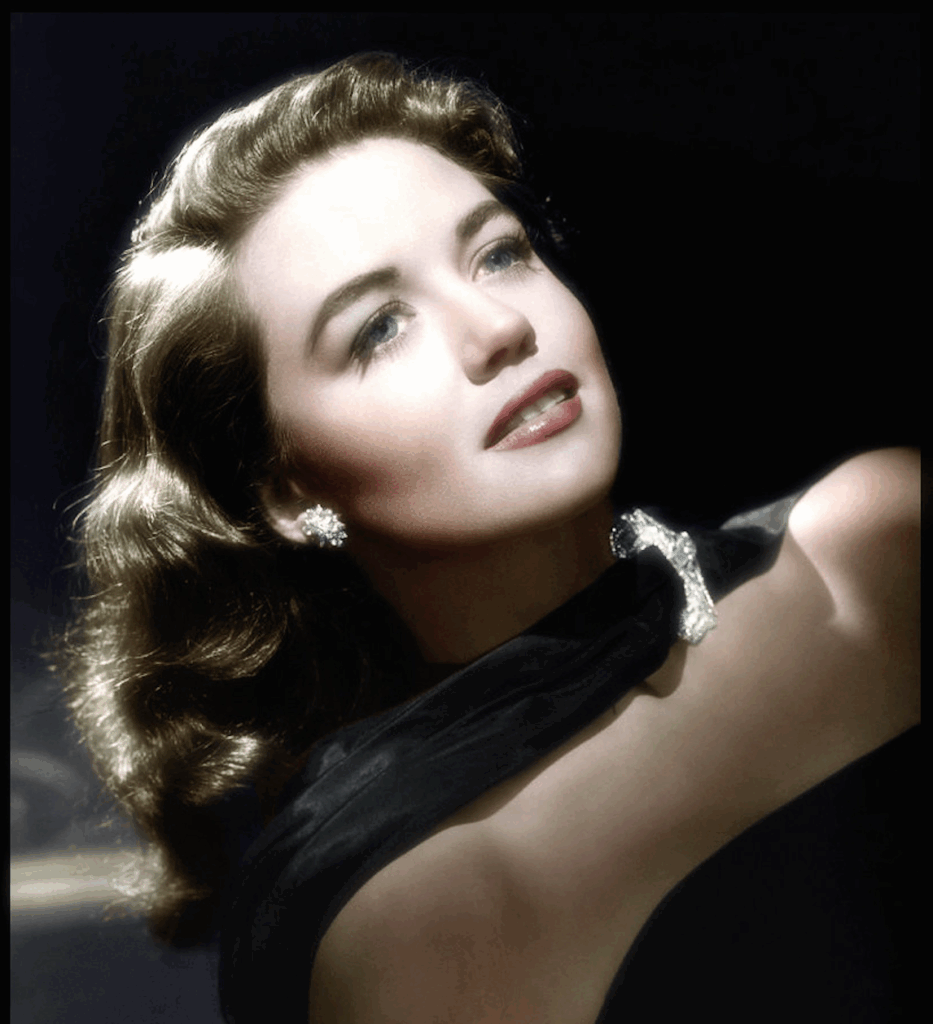
Dorothy Malone. Courtesy of the Texas State Historical Assn.
The All-American Girl Of The 1950s
For the next decade, Malone worked constantly and was considered, by yesteryear’s standards, a “serviceable” actress: she could play anything from an innocent ingenue to a dutiful wife. She appeared in Westerns like South of St. Louis (1949), starring alongside Joel McCrea, and Colorado Territory (1949), alongside Virginia Mayo, finding her footing in a genre that adored tall, athletic blondes as women who could survive a wagon train across the Continental Divide.
She also appeared in musicals, such as Two Guys from Texas (1948), and acted in comedies and crime dramas, often as the love interest. By the early 1950s, Malone was in demand, but she struggled with being typecast for too long as the wholesome “girl next door” and seemed destined to appear as the leading ingenue in Westerns for the rest of her career. Until fate intervened.
The Oscar That Began The Transformation
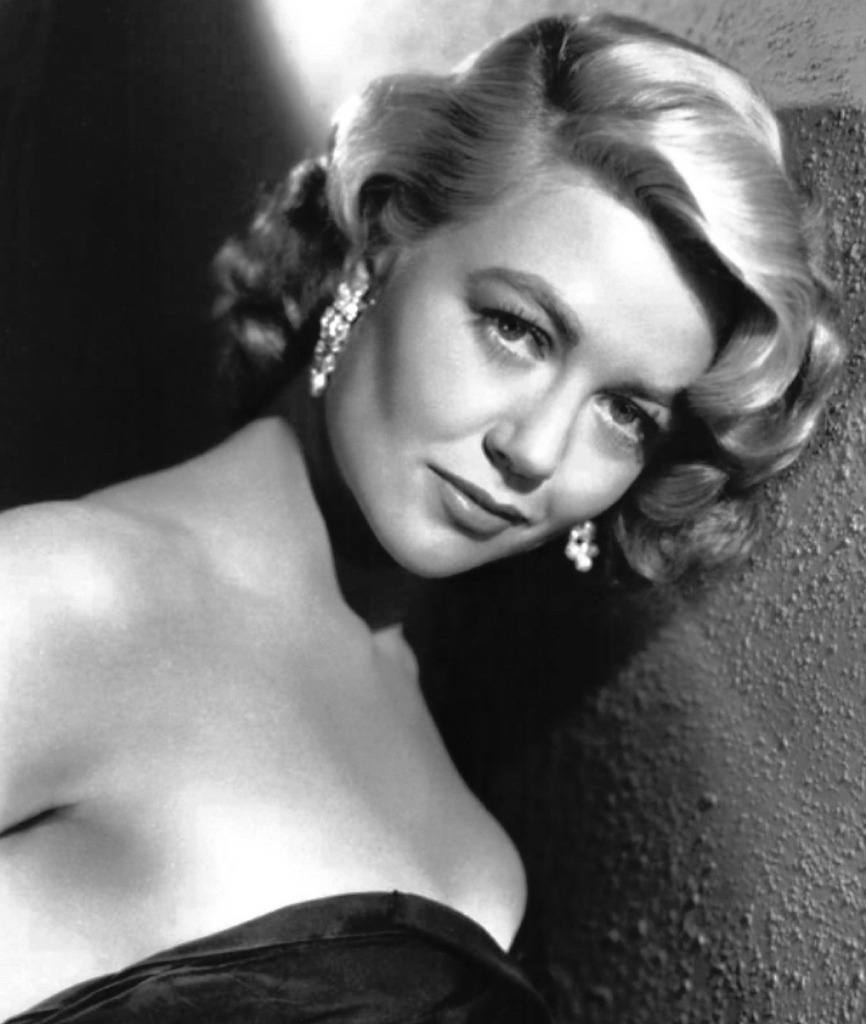
It was Douglas Sirk’s melodramas that changed everything.
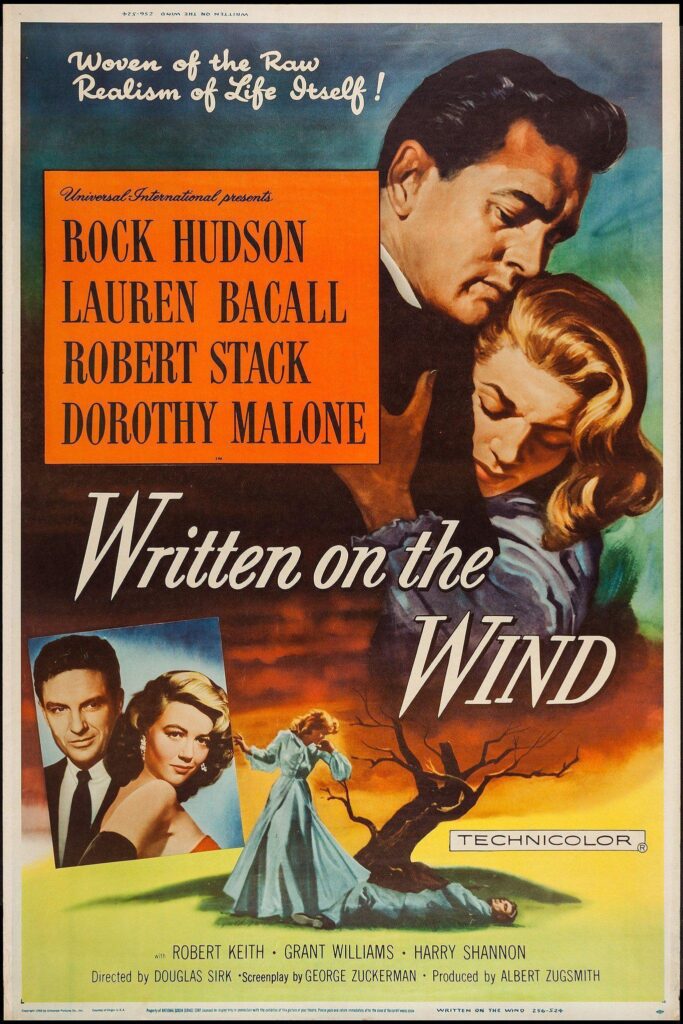
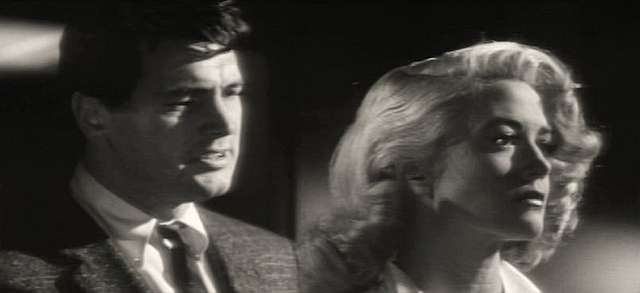
The director’s glossy melodramas of the 1950s, lavish, color-saturated, emotionally heightened films, turned everyday stories of love, family, and desire into grand, operatic experiences. Beneath their polished Technicolor surfaces, these films were sharp critiques of American society, probing class divides, gender roles, and repressed passions. Malone, with her beauty and intensity, became a perfect fit for Sirk’s universe. Most memorably in Written on the Wind (1956), she played the troubled oil heiress Marylee Hadley, delivering a performance of smoldering sensuality and raw vulnerability that had rarely been seen before on film.
Sirk’s melodramas gave Malone space to move beyond ingénue roles, letting her embody characters of complexity, desire, and desperation within the shimmering façades of mid-century glamour. Playing the spoiled, restless, and deeply vulnerable daughter of a Texas oil tycoon, Malone gave the performance of her life, dancing alone in a drunken frenzy, fighting her father, longing for Rock Hudson’s character, and crumbling under the weight of unrequited love.
When Warner Bros. signed her, the studio, famous for stars like Bette Davis and Olivia de Havilland, dropped the “e” in Maloney and reshaped her into the more name-in-marquee-lights-ready Dorothy Malone. The studio system was a finishing school in glamour and discipline, and she appeared in a range of projects: Westerns, mysteries, and musicals. It was the perfect training ground for a well-bred Malone.
Her career risk paid off, and she won the Academy Award for Best Supporting Actress. Critics hailed her for demolishing her wholesome screen persona. Suddenly, Malone wasn’t just the sweet Dallas blonde; she was a powerhouse actress capable of menace, tragedy, and heat.
The Oscar opened doors. She appeared with James Cagney in Man of a Thousand Faces (1957), playing Lon Chaney’s first wife, and starred opposite Dean Martin and Jerry Lewis in Artists and Models (1955). She led noirs like The Last Voyage (1960) and another Douglas Sirk film, The Tarnished Angels (1957), again opposite Rock Hudson. She then appeared opposite Kirk Douglas and Burt Lancaster, becoming one of the reliable faces of postwar Hollywood, teaming with box-office champs.
Television Fame On Peyton Place
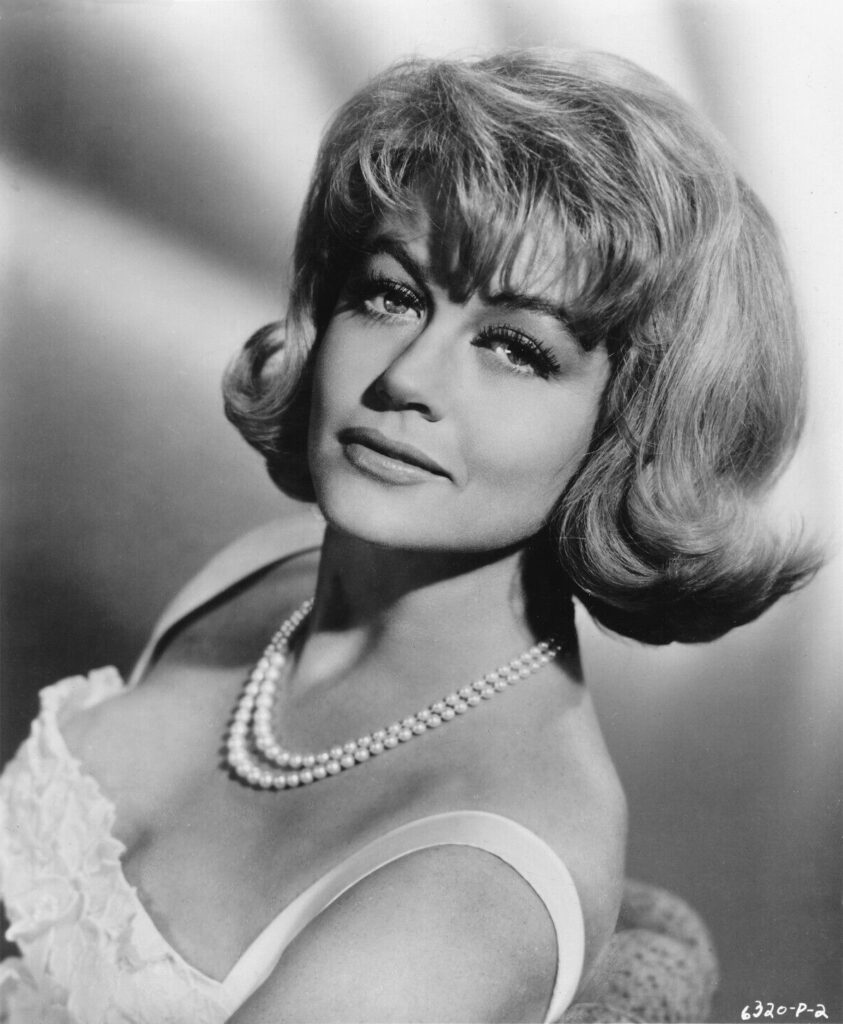
By the 1960s, Malone faced a career dilemma: film roles were thinning for women in their late thirties. She continued to do steady film work (including Warlock and The Last Sunset). Rather than fade, she pivoted. In 1964, she accepted the lead role of Constance MacKenzie in the groundbreaking prime-time soap Peyton Place.
Earlier, in the 1958 film version, Lana Turner’s Constance is glamorous, tightly wound, and every inch the Hollywood star. In the film, she plays Constance as a woman with a secret past who is fiercely protective of her daughter, Allison. Turner emphasizes restraint and elegance, and even when she’s tormented, there’s a controlled, almost icy quality. She embodies mid-century notions of respectability, repression, and small-town judgment. Turner’s screen persona, polished, alluring, and tragic, gave the character a sheen of sophistication that elevated the scandalous material into melodrama with an air of respectability. In short, her Constance is less “neighbor down the street” and more “movie star caught in a moral crisis.”
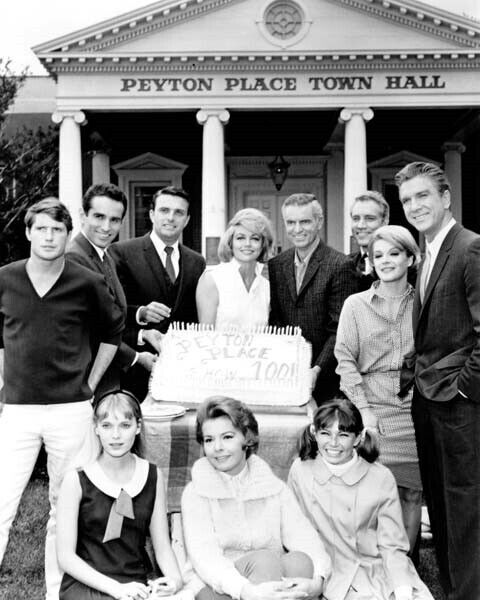
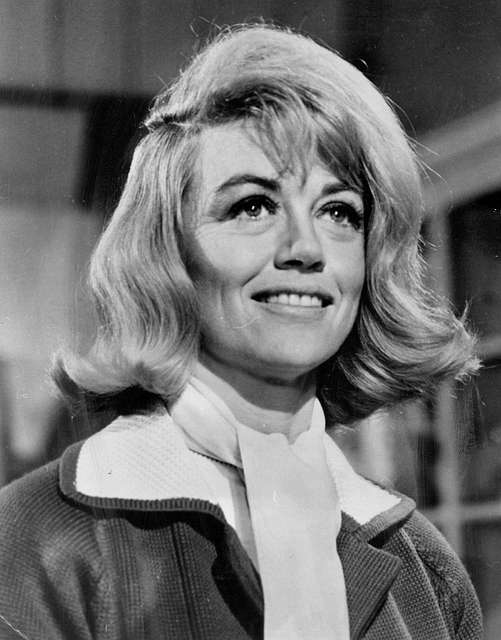
Dorothy Malone, by contrast, played Constance across several seasons of the TV series, and her interpretation is warmer, more textured, and ultimately more human. Free of the need to compress the story into two hours, Malone could stretch the character’s emotional range, exploring not just Constance’s secrets but her day-to-day vulnerability, maternal instincts, and moral dilemmas. Unlike Turner’s polished glamour, Malone gave Constance a relatable, small-town authenticity. She was still beautiful and commanding in her sweater sets and heels, but her performance conveyed greater accessibility and emotional depth. Television audiences came to know her over time, allowing Malone to present Constance as a flawed but empathetic woman navigating scandal, love, and propriety in a small community.
At the time, movie stars considered television beneath them, except on rare, special occasions, such as “spectacular” TV specials and episodes. But Malone saw opportunity in the series to sink herself into the meaty role. The show was a sensation, running twice weekly, then three nights a week at its peak. As Constance, the moral anchor in a scandal-ridden small town, Malone became a household name all over again. She won a Golden Globe in 1965 and became synonymous with the serialized glamour of nighttime television.
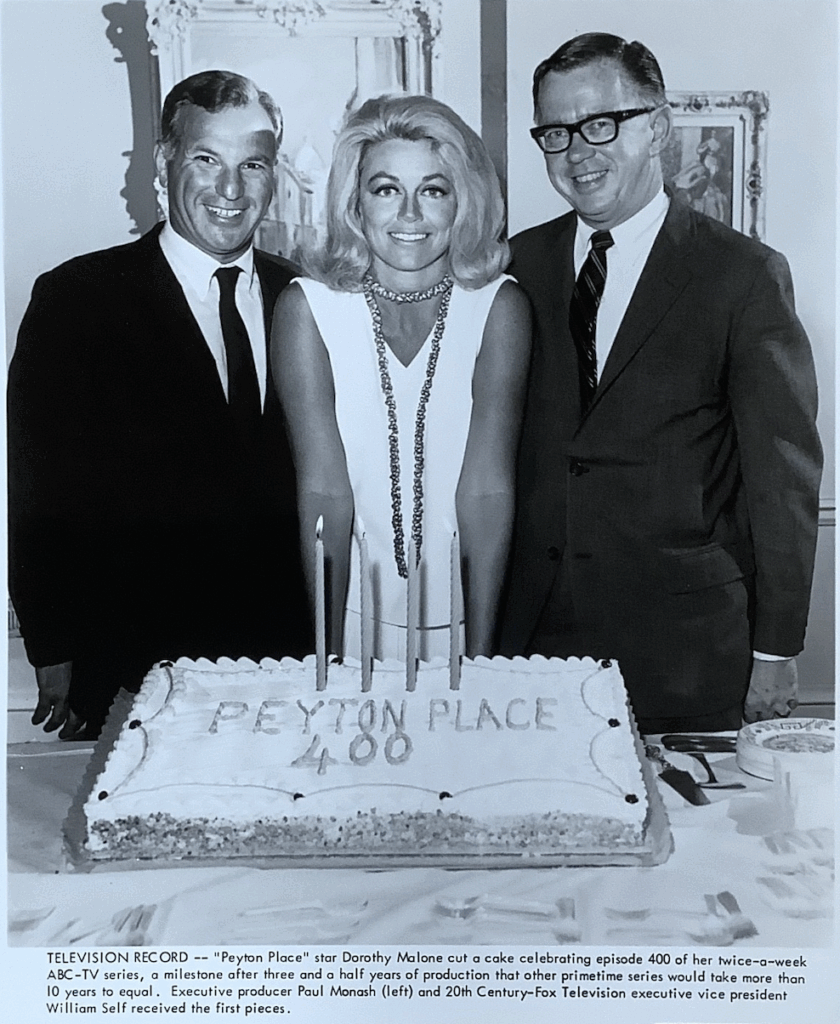
Her tenure as a TV star, however, wasn’t without conflict. Malone temporarily left the series for surgery, was briefly replaced, and later sued 20th Century Fox over contractual disputes. She eventually returned for reunion films in the 1980s, proving that Constance MacKenzie was as much a part of her identity as Marylee Hadley in Written In The Wind.
Return To Texas
Malone married three times, most famously to handsome French actor Jacques Bergerac, with whom she had two daughters, Mimi and Diane. After their divorce, she returned to Dallas in the 1970s to raise her children, preferring the quieter pace of her hometown to the cutthroat churn of Los Angeles. She married Dallas businessman Charles Huston Bell (her third marriage) and made occasional TV movies and guest-star appearances in such hits as Ironside, Ellery Queen, and Rich Man, Poor Man.
Though semi-retired, Malone never fully disappeared. She took guest roles in TV series, starred in TV movies, and in 1992 returned to the big screen with a small but memorable role as novelist Hazel Dobkins in Basic Instinct, proving she could still make an impression in a thriller dominated by Sharon Stone’s icy star turn.
Challenges And Resilience
Malone’s life was not without hardship. She endured a life-threatening pulmonary embolism in the early 1980s, as well as costly divorces and financial strains. Yet she carried herself with quiet resilience, always framing her career around her daughters rather than the other way around.
Her three marriages ended, but her devotion to her children never faltered. She was known in Dallas society as approachable, kind, and grounded; far removed from the drama she portrayed in her Hollywood screen characters.
Why Dorothy Malone Still Matters
Dorothy Malone died in Dallas on January 19, 2018, ten days shy of her 94th birthday. Her daughter Mimi confirmed her passing, and tributes poured in from across the industry. She was remembered as a star who had witnessed the evolution of Hollywood firsthand: from the contract-player era of the 1940s, through the lush studio melodramas of the 1950s, into the television revolution of the 1960s, and finally into the edgy, provocative 1990s.
Dorothy Malone represents the versatility and contradictions of Hollywood women in the 20th century. She was packaged as a wholesome blonde, fought her way into darker, more complex roles, embraced the small screen before it was fashionable, and ultimately carved out a personal life on her own terms. She remained the Dallas girl who loved her family more than the lights.
She isn’t just remembered for a single role, but for a career that kept reinventing itself. And perhaps most tellingly, for a woman who, even after Oscars and Golden Globes, chose to live her final decades in Dallas, proving that the girl from Texas never really left.
12 Reasons Dorothy Malone Still Defines Hollywood Glamour With Texas Grit
Looking for a compelling overview of Dorothy Malone’s remarkable career? Here’s your search-friendly guide to the Dallas native who conquered Hollywood, and did it her way.
1. She Was a Dallas Original
Born Mary Dorothy Maloney in 1924 and raised in Dallas, Malone was educated at Ursuline Academy and Highland Park High School before studying drama at Southern Methodist University.
2. Neiman Marcus Launched Her Early Glamour
Before Hollywood, she modeled at Neiman Marcus; polished, poised, and camera-ready long before studio lights found her.
3. She Rose Through the Studio System
After signing with RKO and later Warner Bros., Malone built her career in 1940s musicals, mysteries, wartime films, and Westerns, mastering the discipline of the Golden Age contract system.
4. A Single Scene Made Her Unforgettable
Her sultry bookstore cameo opposite Humphrey Bogart in The Big Sleep, directed by Howard Hawks, became one of classic film noir’s most iconic moments.
5. She Mastered the All-American 1950s Persona
From Westerns like Colorado Territory to musicals and comedies, Malone perfected the wholesome blonde archetype before boldly breaking it.
6. Douglas Sirk Transformed Her Career
In Written on the Wind, directed by Douglas Sirk, Malone delivered a career-defining performance as Marylee Hadley: volatile, sensual, and emotionally raw.
7. She Won an Academy Award
Her performance in Written on the Wind earned her the Academy Award for Best Supporting Actress, shattering her ingénue image and establishing her as a dramatic force.
8. She Starred With Hollywood’s Biggest Names
Malone shared the screen with James Cagney, Dean Martin, Jerry Lewis, Kirk Douglas, Burt Lancaster, and Rock Hudson, solidifying her postwar box office power.
9. She Reinvented Herself on Television
In 1964, Malone pivoted to the groundbreaking prime-time soap Peyton Place, winning a Golden Globe and becoming a household name all over again.
10. She Challenged the System
Malone sued 20th Century Fox over contractual disputes, rare and bold for a woman star at the time, demonstrating her independence beyond the screen.
11. She Returned to Texas by Choice
After high-profile marriages, including to actor Jacques Bergerac, Malone returned to Dallas to raise her daughters, choosing family over Hollywood’s relentless spotlight.
12. She Closed Her Career With a Modern Edge
In 1992, she appeared in Basic Instinct, proving that even in her later years, she could command attention in a thriller era far removed from Technicolor melodrama.
Why Dorothy Malone Still Matters for Hollywood History
Dorothy Malone’s five-decade career traces the evolution of American entertainment—from 1940s studio contract player to Oscar-winning dramatic actress, from 1950s melodrama queen to 1960s television trailblazer, and finally to a Texas matriarch who never forgot her roots.
For fans of Golden Age Hollywood, classic film noir, Douglas Sirk melodramas, and prime-time television history, Malone remains a symbol of reinvention, resilience, and Texas-born sophistication.