 Lance Avery Morgan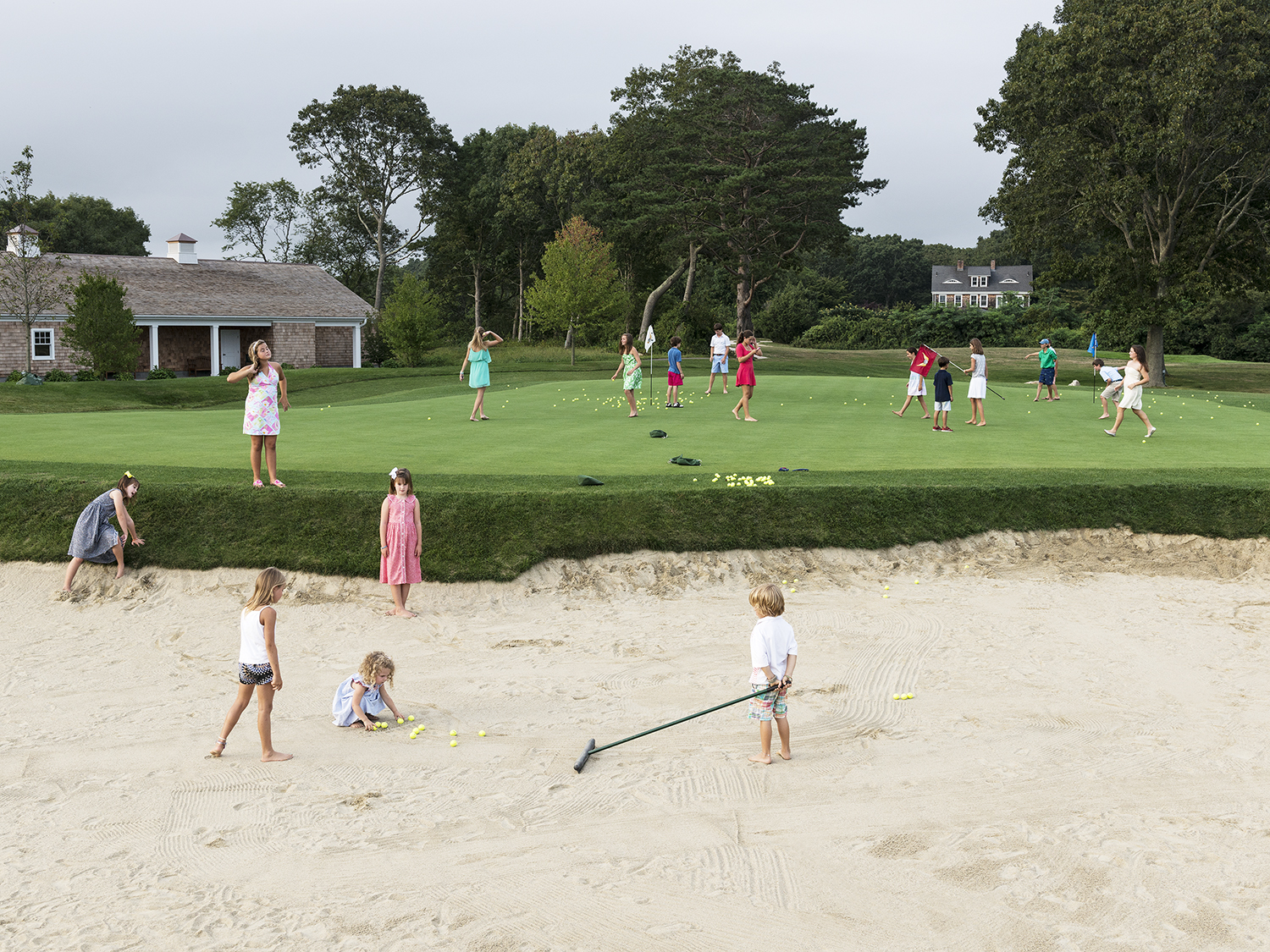
With His New Tome, Behind The Hedges, The Photographer Reveals A Rarefied World Defined By Ritual Rather Than Reinvention
Photography by Will Vogt
In the book Behind the Hedges, photographer Will Vogt returns to a world he knows intimately… the unlikely combination of South Texas ranches, seaside cottages in Watch Hill, and the rituals of an American upper class that prefers understatement to explanation. His debut monograph, These Americans, captured the champagne-fizz bravado of the 1980s, and this second book is more like a well-aged Bordeaux: quieter, deeper, and far more revealing, according to our pop cultural arbiter, Lance Avery Morgan, who caught up with the talented man and his camera.

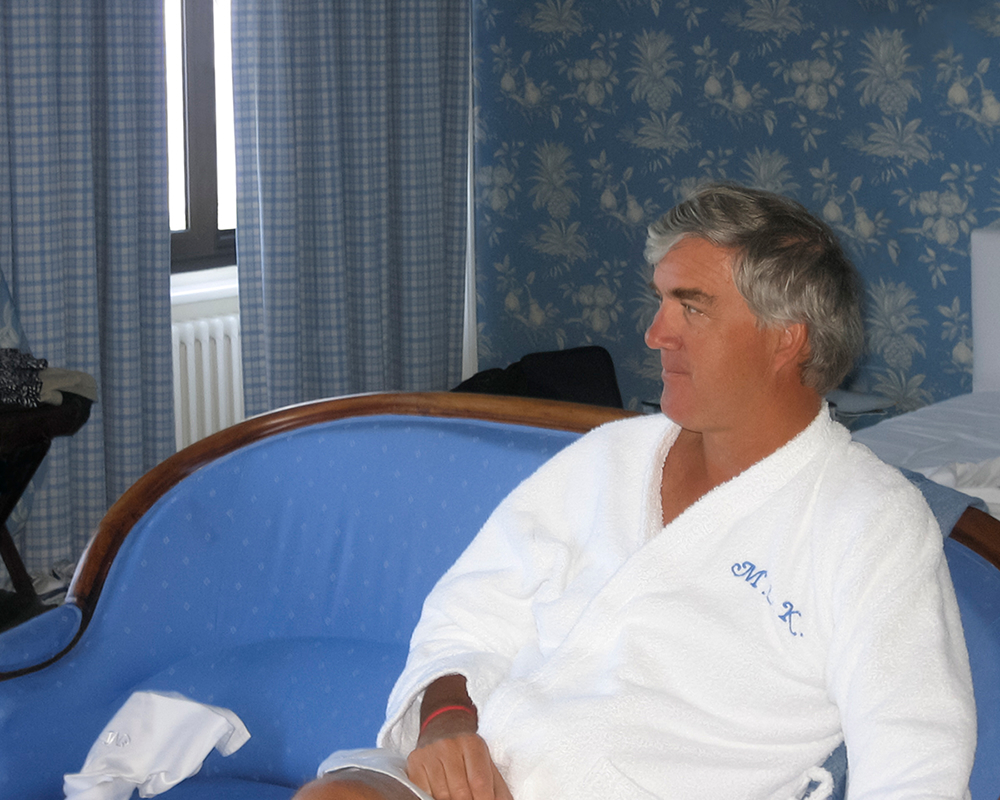
“Most of the photographs in These Americans were taken in the 1980s,” Will Vogt explains. “So, Behind the Hedges revisits many of the same families 30 years later. With the benefit of time, you begin to see not just who they were but who they became.”
The result is less about spectacle and more about sediment; what settles after the party ends, to continue the social metaphor. “Inevitably, you begin to notice the changes; faces, energy, and priorities all shifting,” he says. “The 1980s were fairly wild, and the people I was photographing took full advantage of the moment. What’s interesting is that while the pace has slowed, the structure of life hasn’t changed all that much. The same rituals, the same gatherings, and the same sense of continuity are still there.”
Yes, he notes with a wink, “The biggest difference may be that everyone goes to bed earlier.” But beneath that observation lies the book’s thesis: endurance. “What I couldn’t fully see in the first book was how durable those traditions would be and how much they would anchor people as everything else evolved around them.”
Two Coasts, One Code
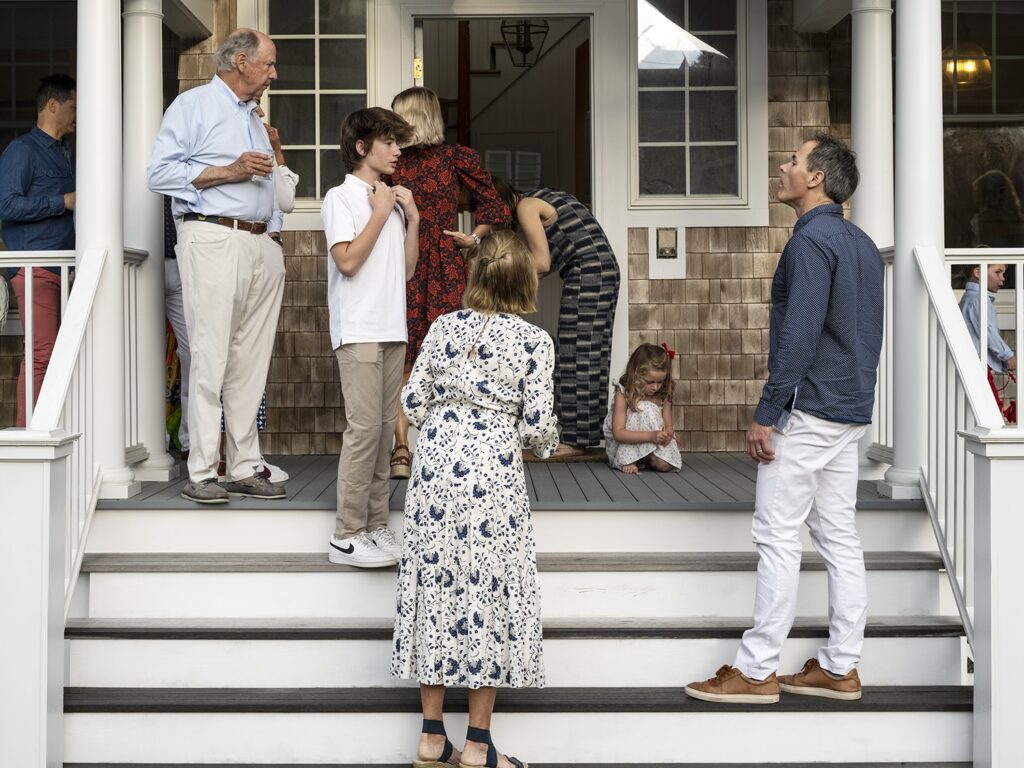
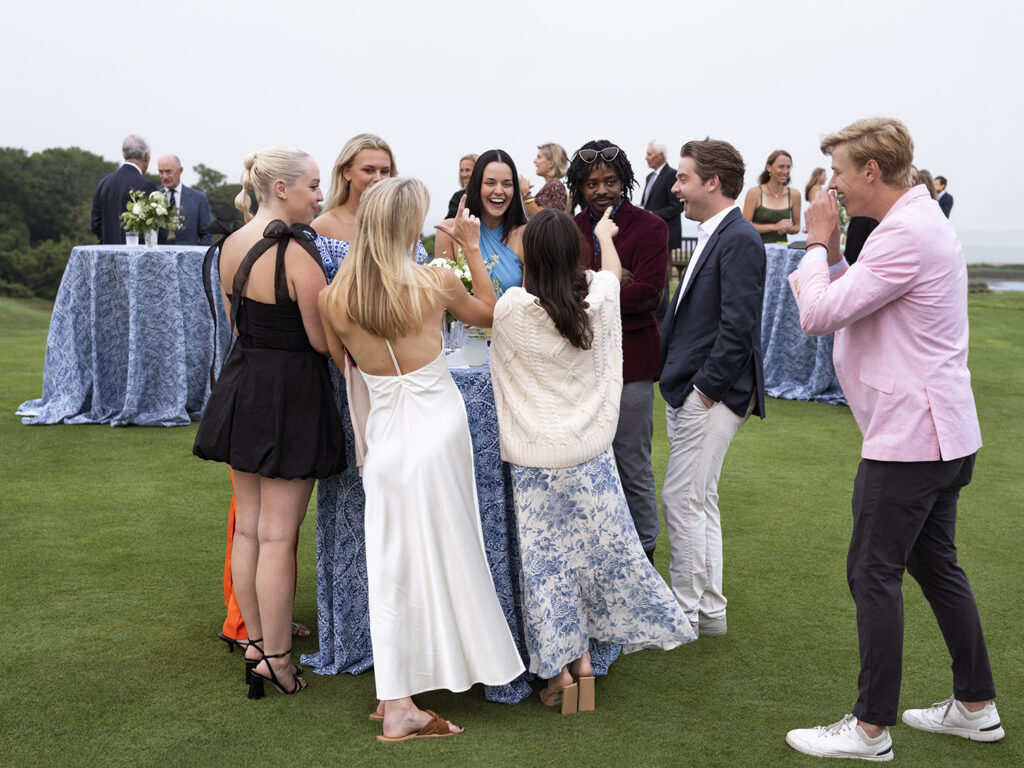
Vogt’s dual geographies, his South Texas ranch and his summer home in Watch Hill, Rhode Island, give Behind the Hedges its visual counterpoint. One offers mesquite and quail; the other, tennis whites and salt air.
“Having those two worlds gives the work a much broader canvas,” he says. “South Texas and Watch Hill are very different places, different culture and landscape, but they’re connected by a shared commitment to tradition and ritual.”
In Texas, that ritual is “hunting and stewardship of the land.” In Watch Hill, it’s “the rhythms of summer; beach, tennis, cocktails, and long-standing social rituals.” Vogt delights in placing these images side by side. “It creates a dialogue between places that, on the surface, couldn’t be more different but at their core are driven by many of the same values.”
The implication? The accent may change, but the code does not.
The Slim Aarons Factor
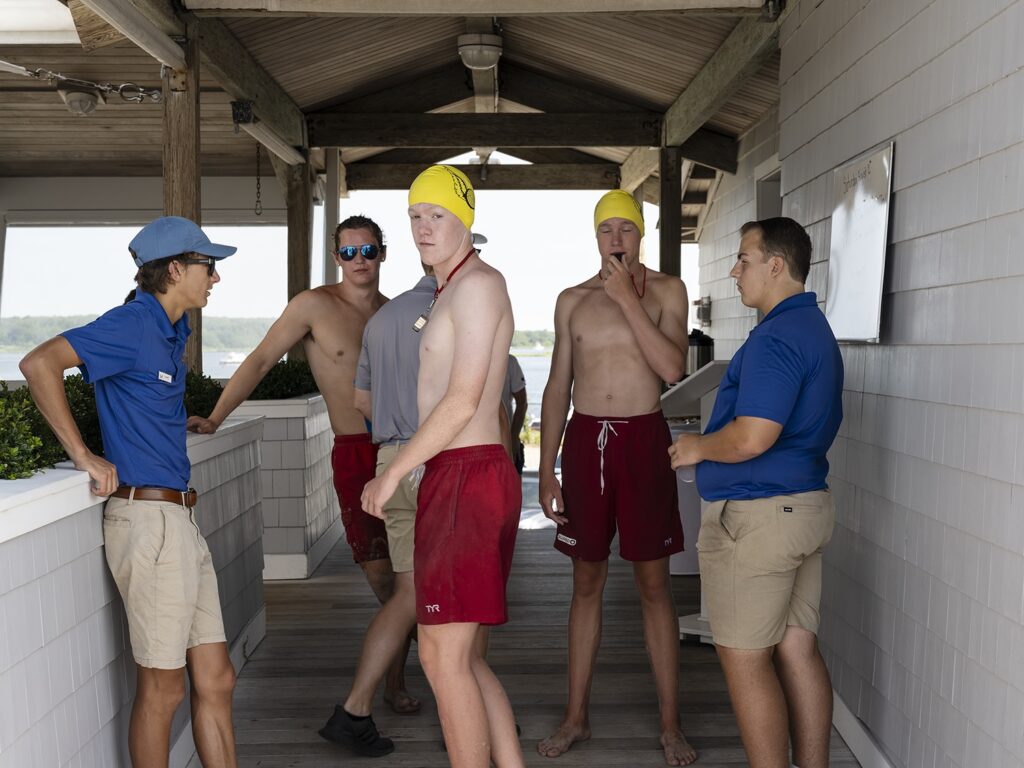
There is a particular stillness in Will Vogt’s photographs; a sense that the moment has occurred many times before and will likely again. With Behind the Hedges, he moves beyond the exuberance of youth explored in his earlier work and into a study of generational preservation. The images feel at once personal and anthropological, capturing a society adept at weathering change by repeating itself.
Plus, it’s nearly impossible to look at Vogt’s sun-washed lawns and elegantly languid figures without thinking of Slim Aarons. Vogt doesn’t bristle at the comparison; instead, he embraces it.
“I recently saw an exhibition of Slim Aarons’ 1960s photographs of Newport, not far from where I spend summers,” he says. “They are remarkable images: elegant, direct, and very much of their time, yet they still feel alive today.”
What he admires most is Aarons’ restraint. “He documented this world without over-explaining it. The houses, the light, and the way people carry themselves all tell the story without commentary. There is a clarity and confidence to his work that I relate to. If you stay close enough to the subject, the meaning tends to reveal itself over time.”
That patience, almost a refusal to editorialize, defines Vogt’s aesthetic. His compositions feel classical, balanced, unhurried.
“I’m not trying to stylize it or impose anything on it,” he says. “If anything, I’m trying to stay out of the way and let the composition reflect what’s already there. The restraint probably comes from familiarity; I’m not chasing the moment so much as recognizing it when it settles into place.”
Reinvention Vs. Ritual
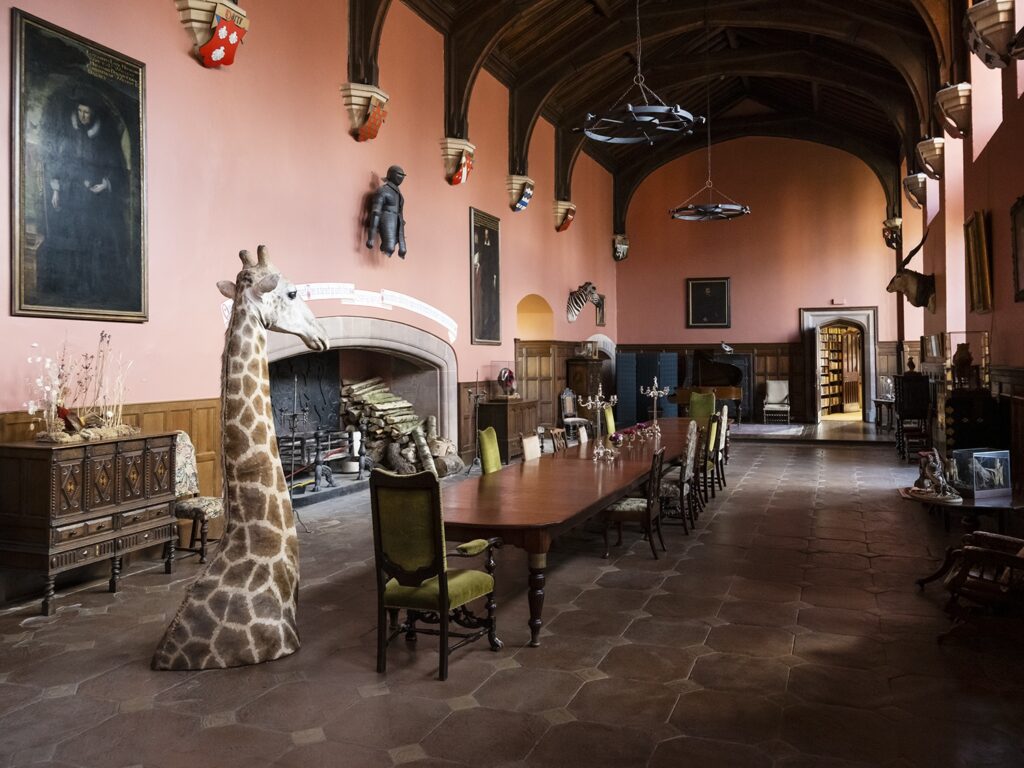
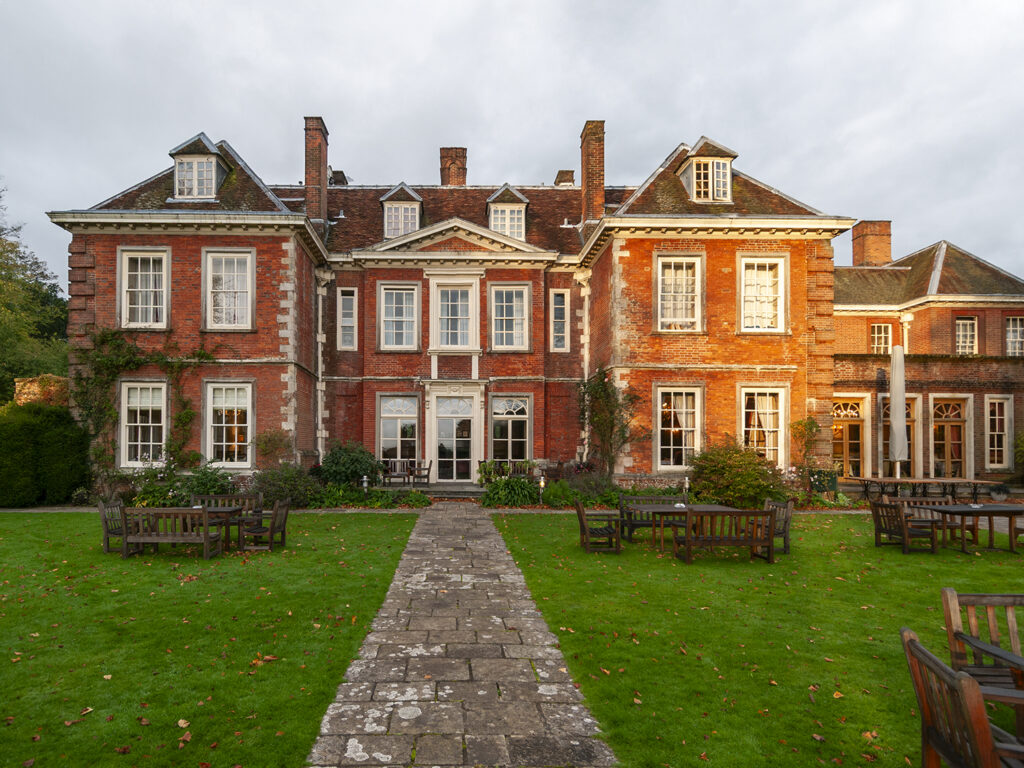
Staying out of the way or seeking recognition, America loves a reinvention story. Vogt, however, offers a counter-narrative: inheritance, continuity, and self-reproduction.
“I think both things are happening at once,” he says. “The people I photograph are constantly adapting, nothing is static, but they’re doing it within a framework that values continuity.”
He pauses before landing on what may be the book’s quiet credo: “Traditions aren’t restrictive, they’re stabilizing. They provide a kind of structure that allows for change without losing identity. In a culture that often prioritizes reinvention above all else, there’s something to be said for knowing what’s worth holding onto.”
It’s a perspective that resonates far beyond private clubs and quail hunts.
Beyond The Spectacle
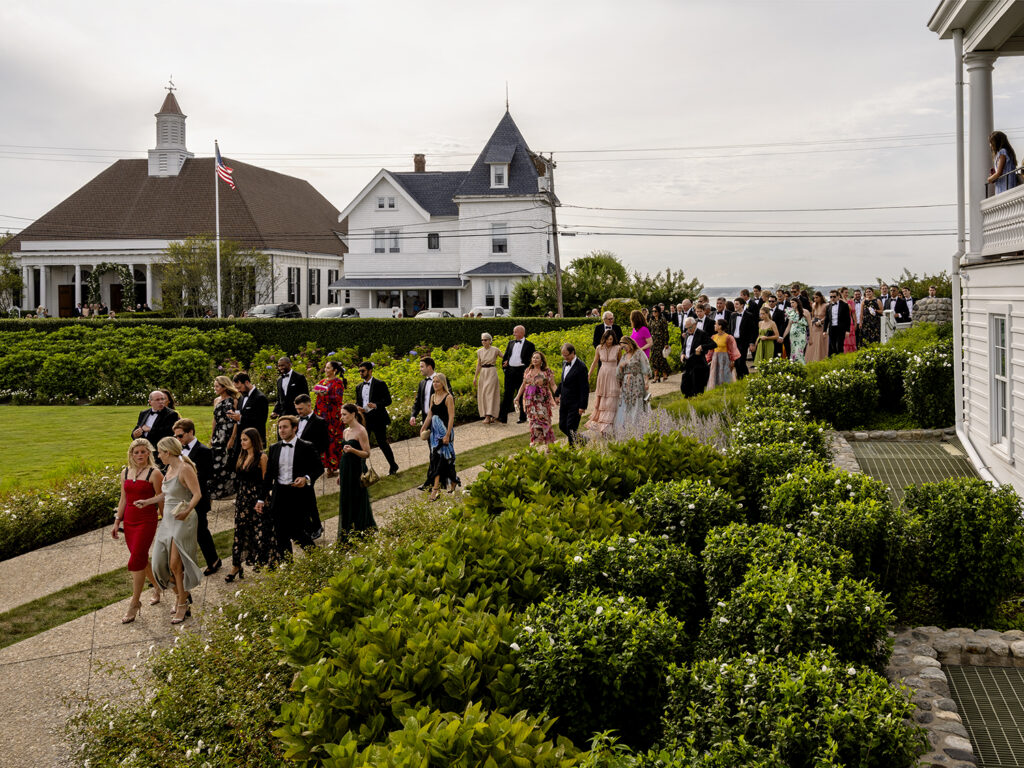
Though Vogt insists wealth is not his subject…“it’s simply the backdrop,” he understands that many viewers first see the spectacle.
“That was certainly more of a challenge in the first book,” he admits. “There’s no denying there was plenty of spectacle in These Americans. But even there, I think the most interesting photographs are the ones that capture the rhythm of rituals.”
In Behind the Hedges, its voice has its own volume. “The spectacle is still present, but it’s less dominant, and what comes forward instead are those patterns of behavior that tend to endure.”
Over time, he believes, viewers recalibrate. “I think viewers begin to look past the obvious and settle into the rhythm of the images. That’s where the real subject starts to reveal itself.”
Participant, Observer & Archivist
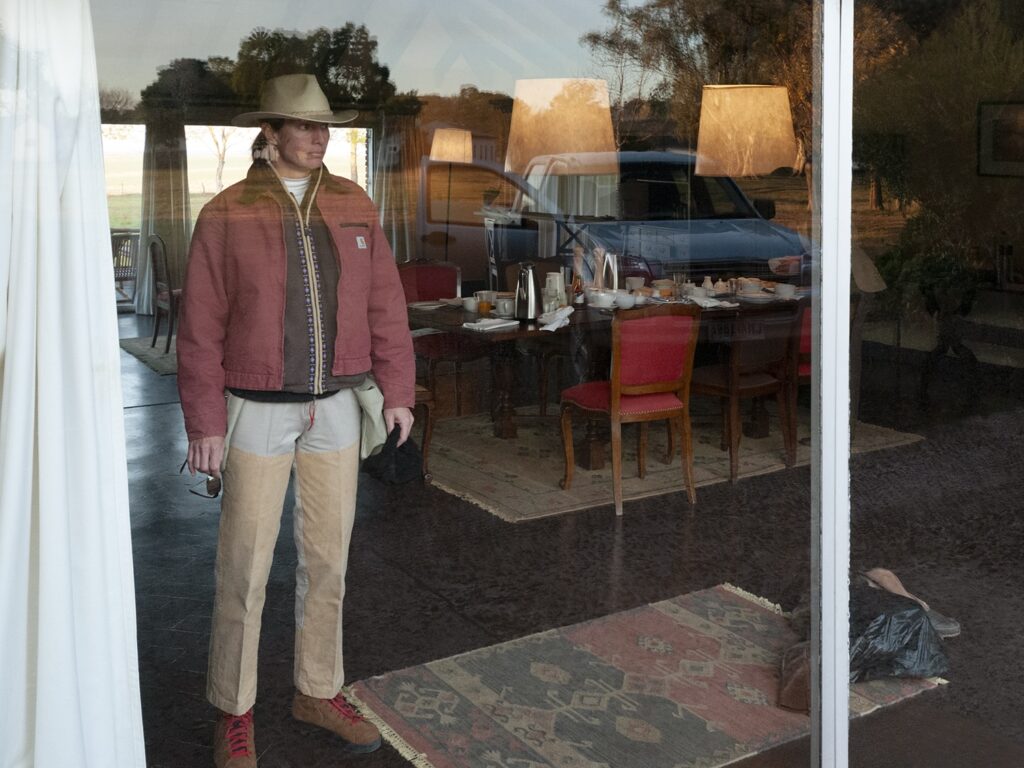
Photographing one’s own social sphere is a delicate dance. Vogt describes himself as “the one keeping the record.”
“At a time when carrying a camera required intention, it gave me a certain role within the group,” he says of his early days. “I was present, but I was also observing. I wasn’t trying to critique the world so much as document it honestly.”
Time provides the critique, if needed. “The distance comes naturally from time. When you look back at the images years later, they begin to reveal things you didn’t fully see in the moment.”
Access, he acknowledges, carries responsibility. “There’s a level of trust involved, and I’ve always tried to respect that. At the same time, I’m not interested in shaping a narrative or protecting an image. My goal is to be honest with what I see. That usually means knowing when to step forward and when to stay quiet.”
A Sporting Life
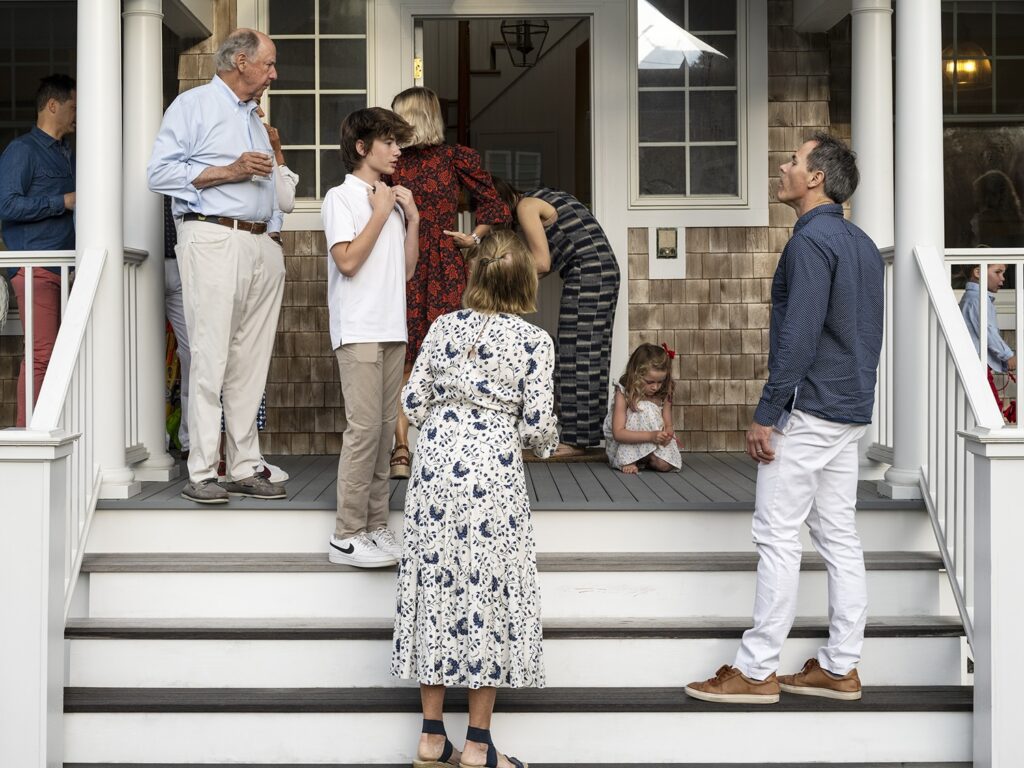
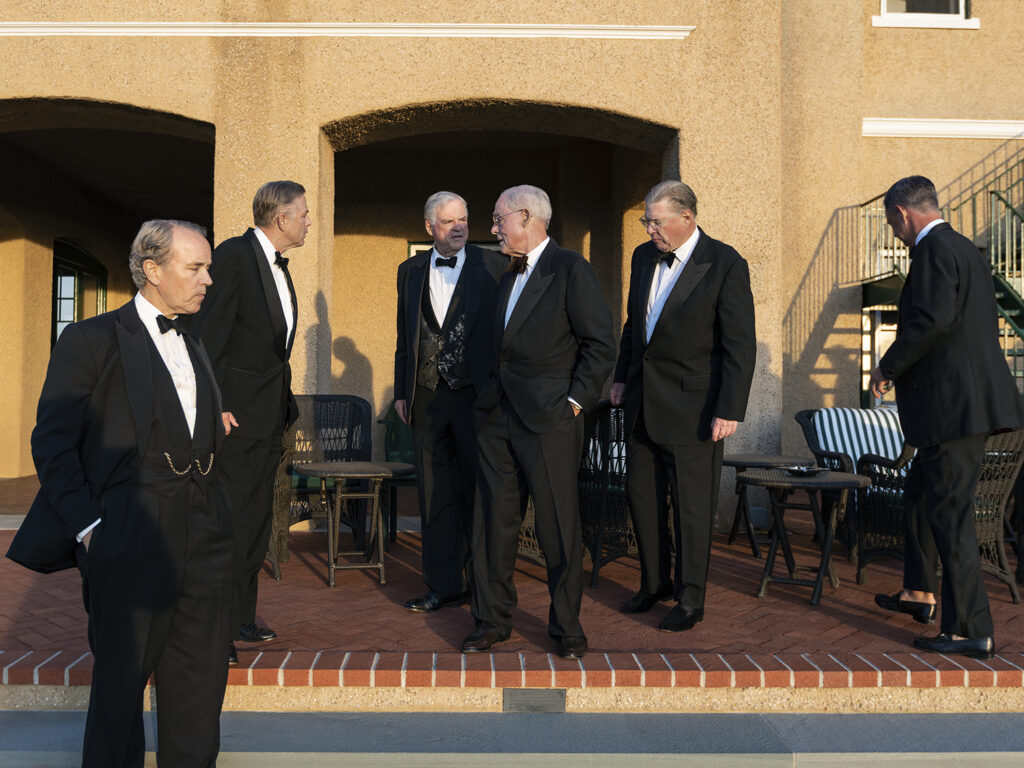
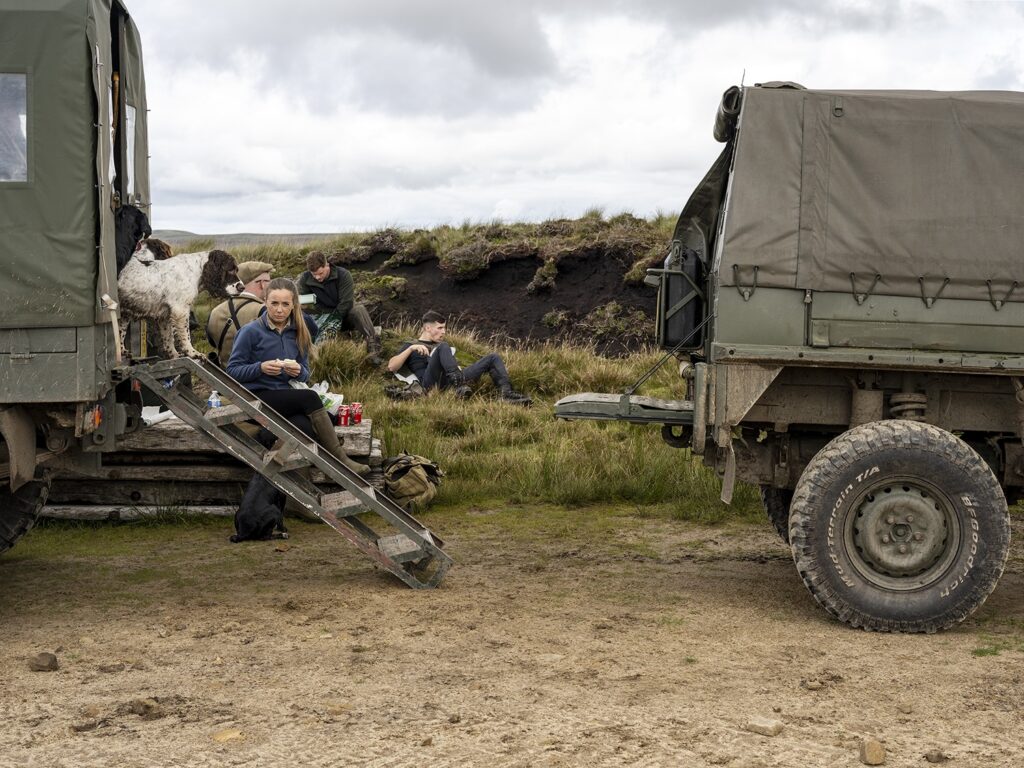
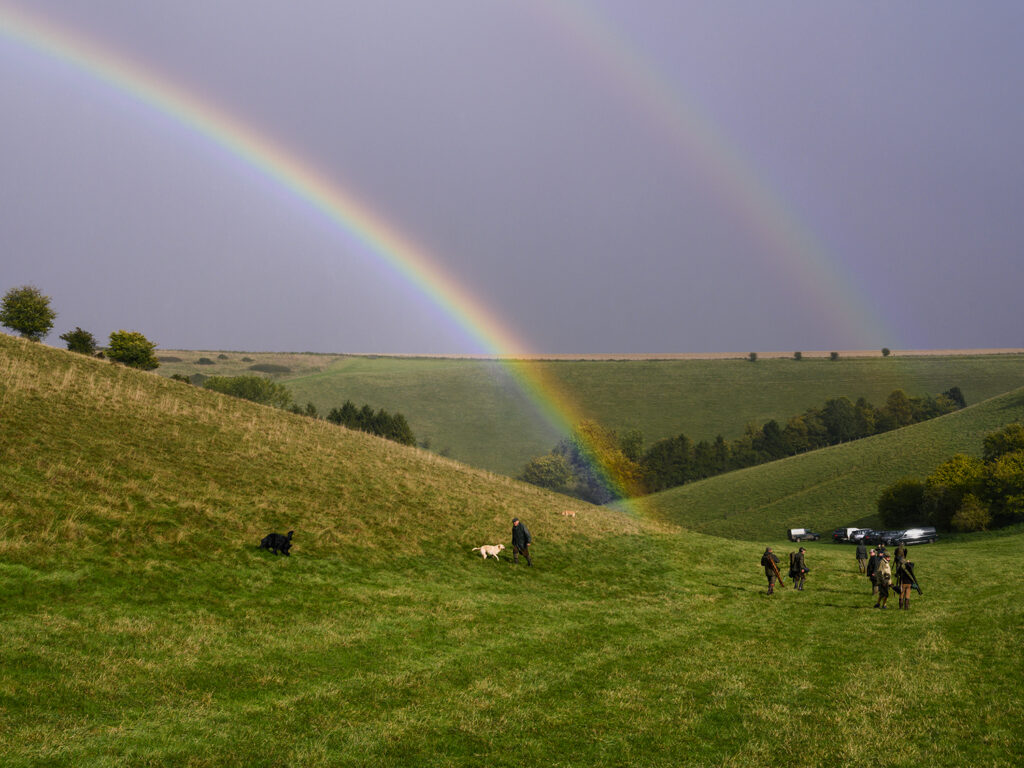
His long-term project, A Sporting Life, extends this inquiry into quail fields, golf courses, regattas, and British shooting estates; environments where class and identity are expressed through ritualized leisure.
“Nearly 60 years later, I’m still finding new things to see in them,” he says. “These sporting environments… are places where tradition, identity and community are all on display, often in subtle ways.”
From the outside, such worlds may appear frozen in amber. Vogt gently disagrees. “I don’t think of it as disappearing so much as evolving. They change, just more gradually and often with a strong awareness of what came before.”
Which may be the quiet revelation of Behind the Hedges: not that privilege persists, but that ritual does. That continuity, in an age of constant reinvention, is its own kind of rebellion.
And if everyone goes to bed earlier now? Perhaps that’s simply what endurance looks like… behind the hedges.

To acquire Will Vogt’s Behind the Hedges and These Americans, visit here.
To see Vogt’s work, here are the upcoming exhibitions:
| Monterroso Gallery Ongoing Solo Exhibition at FotoFest 2026 Biennial Exhibition dates: Saturday, March 7, 2026 – April 18, 2026 3911 Main Street, Houston, TX Details here. |
| Art Museum of South Texas Upcoming Solo Exhibition at Upper Gallery Exhibition dates: September 10, 2026 – January 3, 2027 Opening Reception: Thursday, September 10, 2026, 5-7pm 1902 N Shoreline Blvd, Corpus Christi, TX |