 Lance Avery Morgan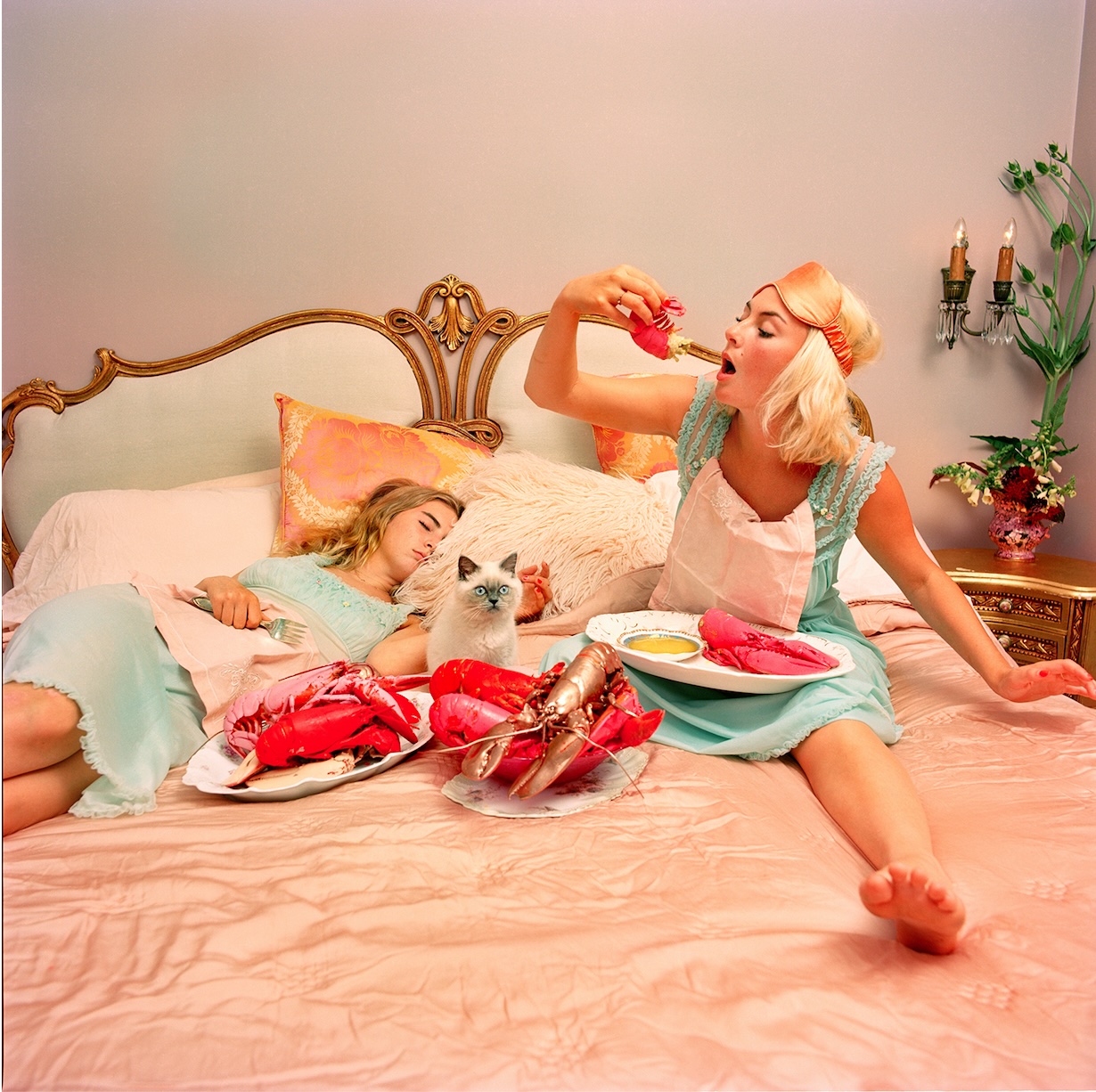
With A Practice Shaped By Art History, Psychoanalysis, And Texas Independence, Prince Creates Contemporary Portraits That Feel Timeless
Photography by Denise Prince, Amy Bench, Minta Maria
In Texas, Austin’s vibrant creative scene provides the perfect backdrop for Denise Prince’s portraiture. Her work reflects the state’s (and the city’s) independence without trading in spectacle, maintaining a refined, intentional sensibility. Each portrait she creates balances sophistication and subtle humor, capturing not only the individual but the moment in which they reveal themselves. The result is a body of work that is both deeply personal and universally resonant, as our ardent art follower, Lance Avery Morgan, learned when he discovered Prince’s captivating work recently installed in a friend’s home. When he thought he was viewing a Cindy Sherman photograph, but realized it wasn’t, he knew he had to get to know the artist and her craft better.
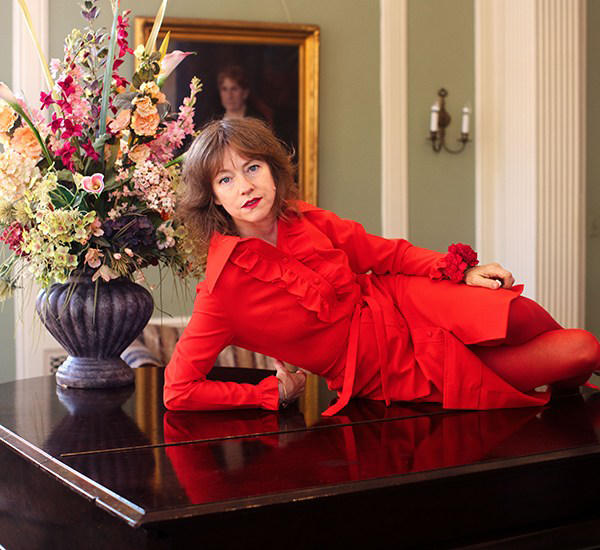
Denise Prince creates portraits that ask you to slow down. Known for their classic restraint and contemporary sensibilities, her photographs don’t clamor for attention. They earn it. Each image is composed with deliberate economy, allowing layers of meaning and the occasional wink of humor to surface over time. “My practice centers on portraits with intellectual depth and visual restraint,” says Prince, “so they can live comfortably alongside serious art, architecture, and design.” These are not portraits meant to be scrolled past; they are works intended to live alongside established collections and environments of consequence. Influenced by fashion and style photography yet uninterested in spectacle, Prince gravitates toward a spare visual language, even when her subject matter suggests abundance. “I prefer a spare sensibility, even when capturing excess,” she notes. The result is work that feels elegant without affectation, layered without being didactic.
Austin Roots, International Presence
Based in Austin since 2001, Prince credits the city’s particular balance of intimacy and expansion with sustaining her creative life. “Austin is small enough that you know your peers,” she says, “but it keeps growing in a way that brings in people who already feel like your friends.” That tension between familiarity and discovery fuels her curiosity. “Just like a great barbecue joint,” she adds, “Austin hosts quite a cast of characters.”
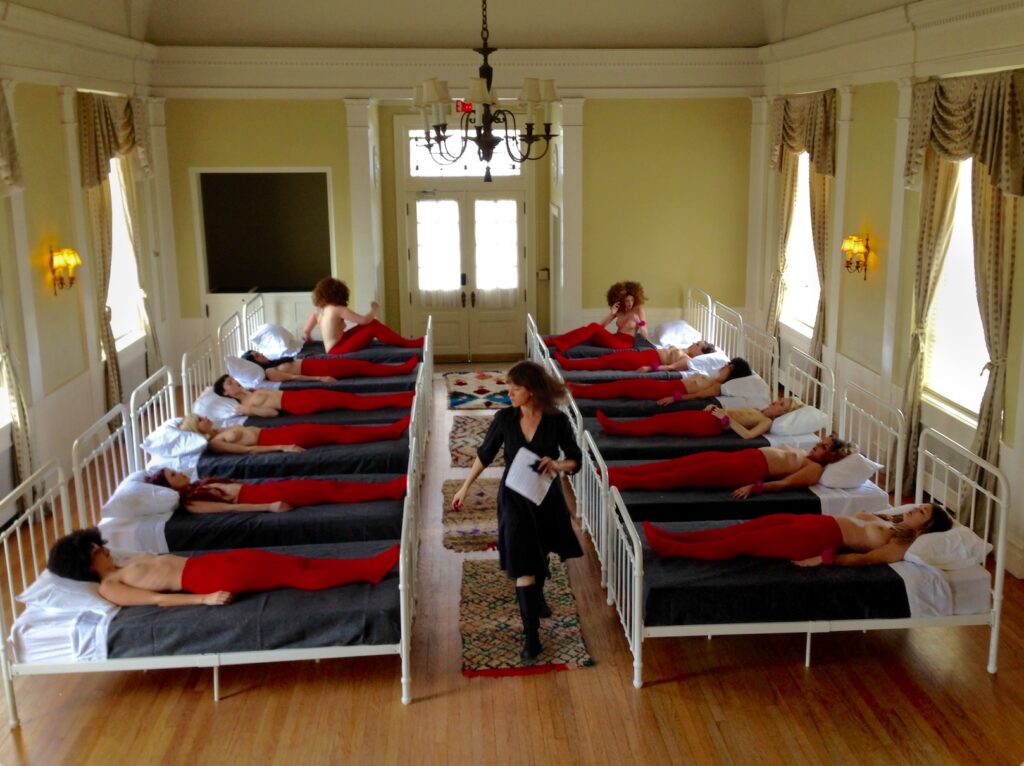
After years living in New York and Los Angeles, Prince found in Austin a creative camaraderie that felt immediate and alive. “I immediately felt my efforts become part of the fabric of culture being woven in real time,” she recalls. While her work is exhibited internationally, her connection to Texas remains foundational. “The arts scene has grown,” she says, “and I still count peer relationships as one of my real measures of success.”
Prince’s perspective is rooted in a long engagement with visual culture and theory. Her education at CalArts emphasized cultural and conceptual inquiry, sharpening her awareness of how meaning operates within representation. “It taught me to be conscious of what images imply, not just what they show.” She approaches portraiture as a form of storytelling guided by nuance rather than declaration. “I’m interested in how subtle narrative and precise signifiers let a portrait read as a life; almost as a work of art,” she says.
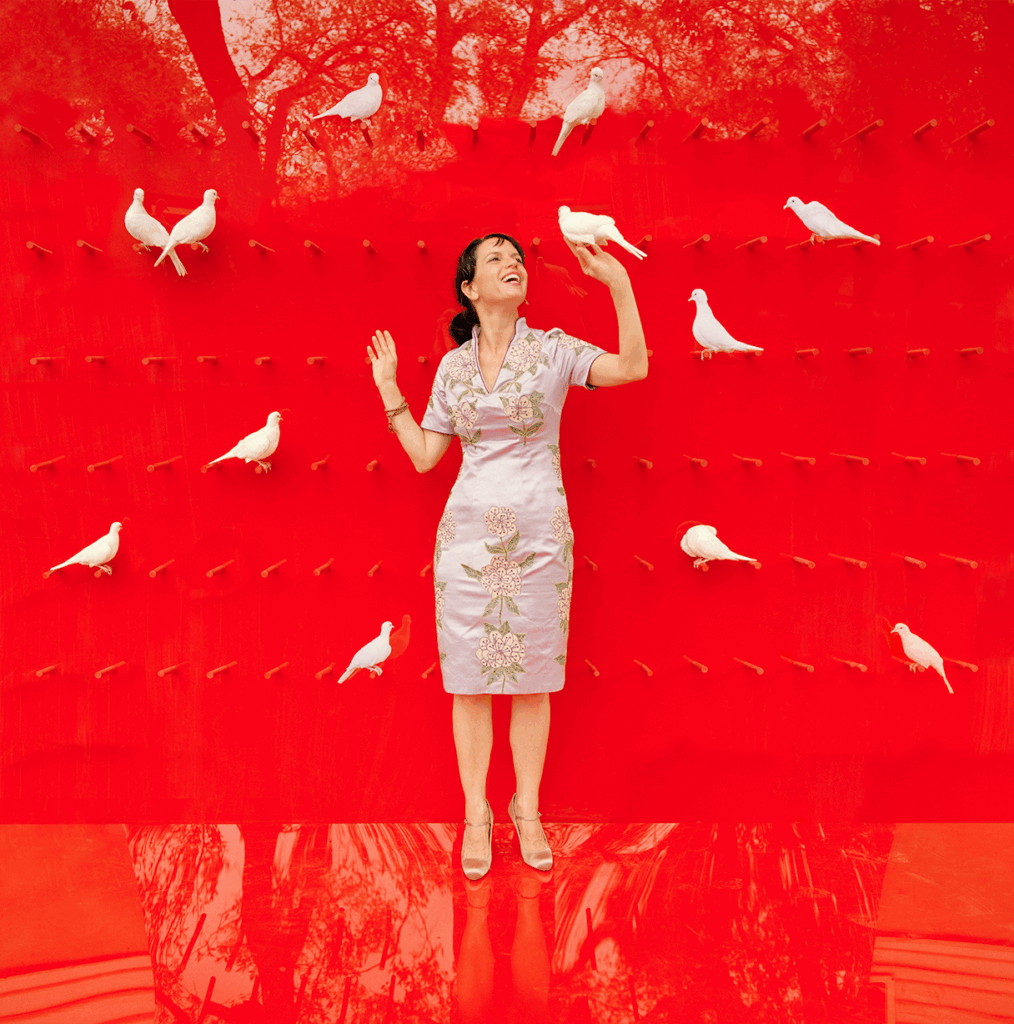
For Prince, every life contains fleeting moments of clarity and essence. “We all occasionally embody something almost Platonic in form.” Her task is not idealization, but recognition. “Through the lens, those moments can be recognized; not idealized but seen.” Her artistic path has also been shaped by more than fifteen years of psychoanalysis, an experience she describes as formative. “It hasn’t kept me from the historical conversation,” she says, “but it has given me the confidence to follow my own path.”
Crossing Worlds With Intention
Prince’s work has appeared on PBS, in Vogue, and entered the permanent collection of the Museum of Fine Arts, Houston, contexts that reach vastly different audiences. She embraces this range. “Each world satisfies a different part of my creative life,” she says, “and most of the time, they inform each other.”
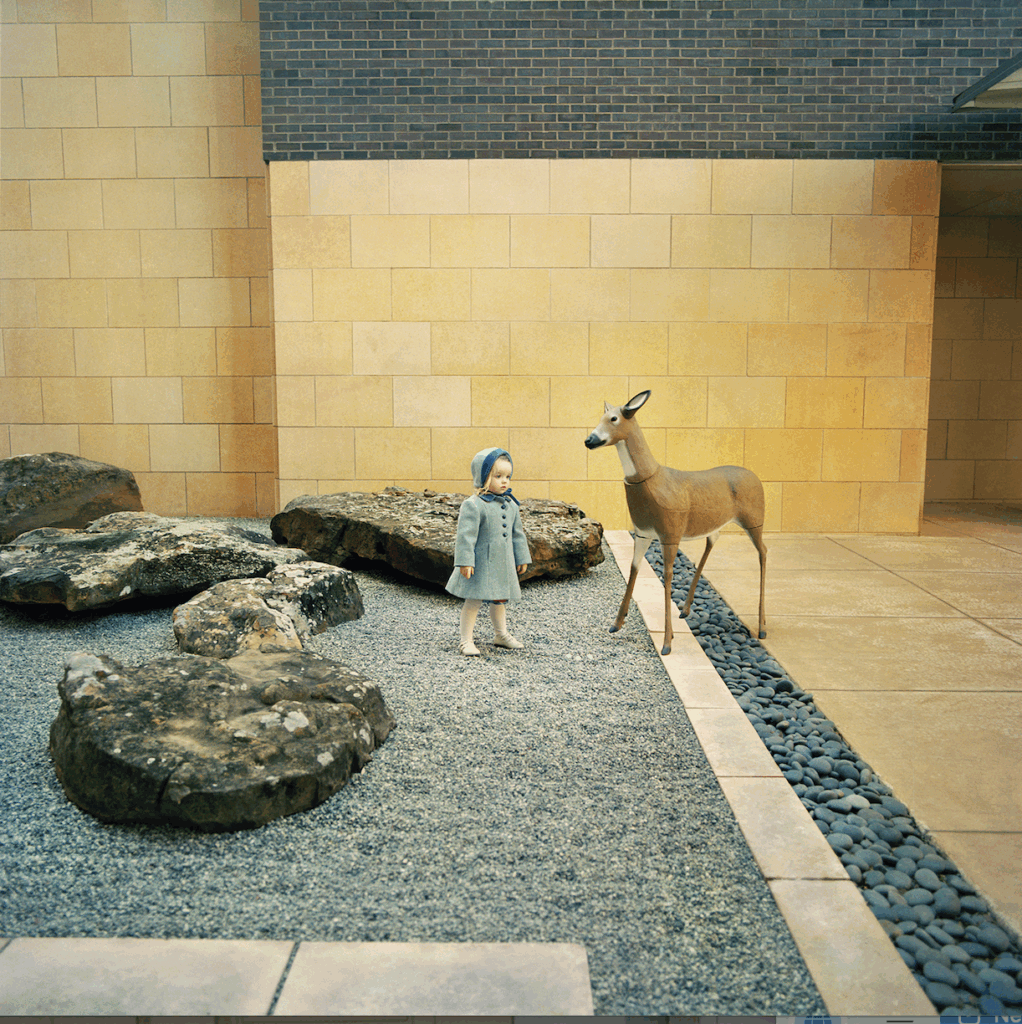
Her commitment to personal work remains unwavering. “I wouldn’t trade anything for my commitment to making singular work,” she adds, “but I bring the same care to commissions and collaborations.” Institutional recognition carries particular weight. “Having work at the Museum of Fine Arts Houston matters to me,” she says. “It inevitably shapes how I think about what I’m making.”
Texas, History & Artistic Lineage
Texas’ cultural landscape aligns naturally with Prince’s sensibility. “There are sophisticated arts communities here that value work that is rigorous and globally informed,” she says. She credits the state’s independent spirit and its inherent difficulty as formative. “Our history is one in which you’re as likely to go crazy as to thrive,” she reflects. “I’m reasonably sure that the same difficulty is behind what might be seen as strong about my work or perspective.”
Art history remains a constant presence. “From Renaissance composition and elaborate costuming to the conceptual frameworks of modernism and postmodernism, those conversations live in my work,” she says.
Risk, Doubt, And The Creative Act
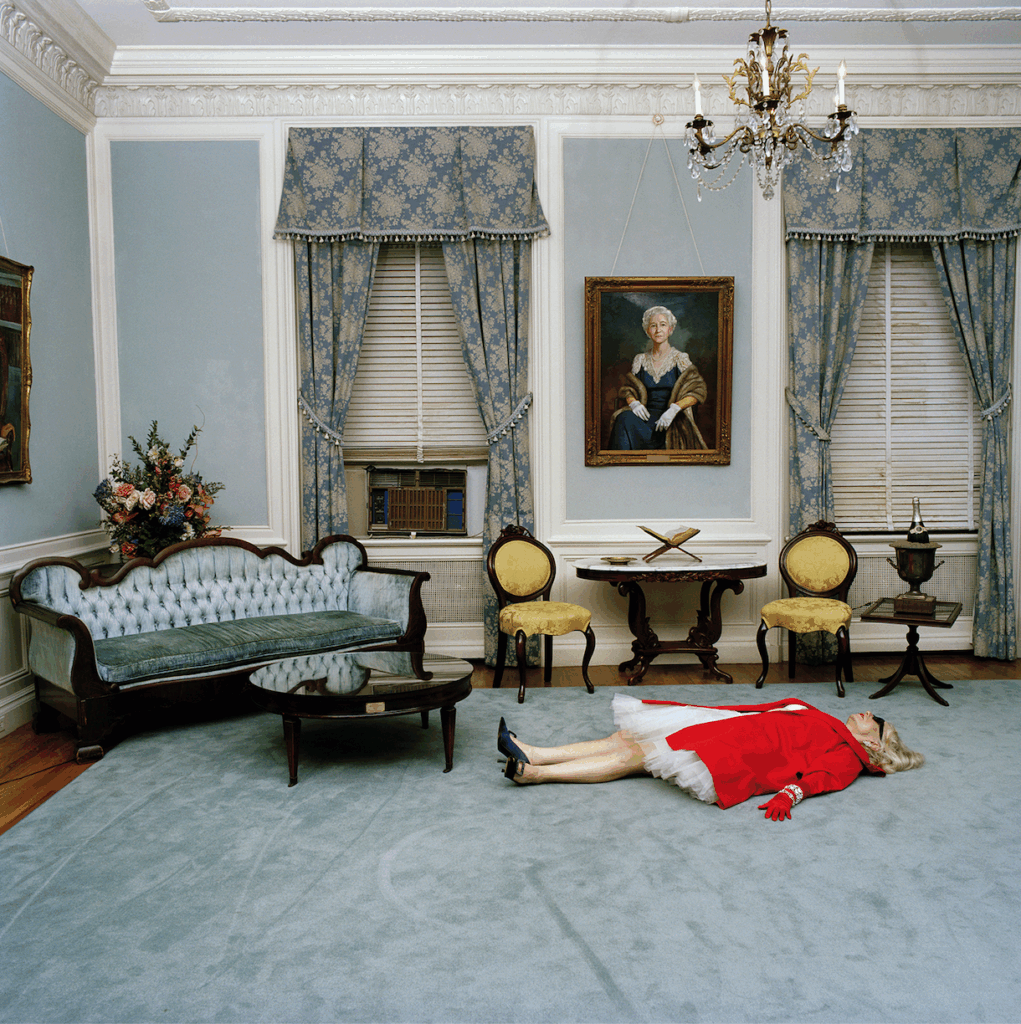
Uncertainty plays a central role in Prince’s process. “Sometimes it’s a sign to slow down,” she says. “Other times, it’s the feeling of something trying to come alive.” When pressure mounts, she often finds momentum. “When my back is against the wall,” she adds, “I often move into a more active, committed stance. That’s when the work becomes interesting.” For Prince, uncertainty is not something to overcome, but a voice to be heard.
Portraiture Beyond Luxury
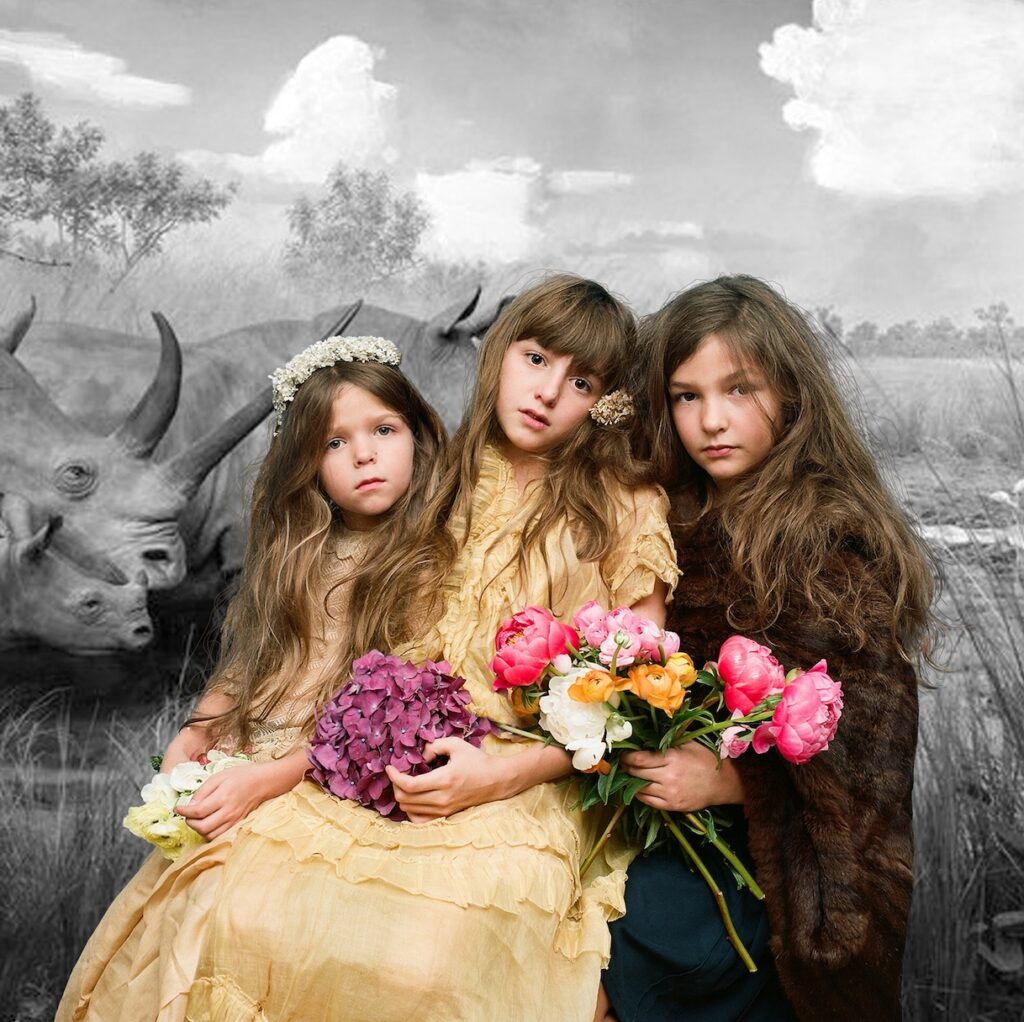
What distinguishes Prince’s work from conventional luxury photography is its orientation toward art rather than trend. “Each portrait is conceived as a singular artwork,” she says, “with attention to composition, materiality, and context; much like a commissioned painting.”
Her focus is less on a fleeting family moment than on what endures. “You might say this makes my work less specific to the family moment than to the timeless,” she acknowledges, “but people bring how they see themselves into the work, and value is found in this balance.”
That philosophy began with her desire to rethink the bridal portrait. “I believed a New York Times magazine–quality portrait would be displayed prominently, while one in a bridal gown, even though beloved, would end up in a side room.”
Creating Work That Lasts
In an image-saturated culture, Prince resists instant consumption by maintaining focus and rigor. “Walking your own path is demanding,” she says, “but it’s the only way to experience freedom.” She avoids chasing external validation. “I also don’t ultimately get to judge what others make of my work,” she notes, observing that images she once questioned often resonate deeply with collectors.
Prince’s clients are collectors, patrons, and individuals who value visual literacy and legacy. “Many are already engaged with the arts,” she says, “and understand portraiture as a cultural artifact.” In a lifetime of images, one portrait of higher order can hold particular meaning. Her process begins with conversation and often an on-site visit. “It’s important to understand a client’s environment, their sensibilities, and eye,” she explains. Concepts are refined until excitement and alignment emerge. Styling is essential, as it is to all great artists. “Since my images are typically heavily styled,” she says, “locating the right props and costumes is very important.” She photographs on film and refines each final image meticulously for print.
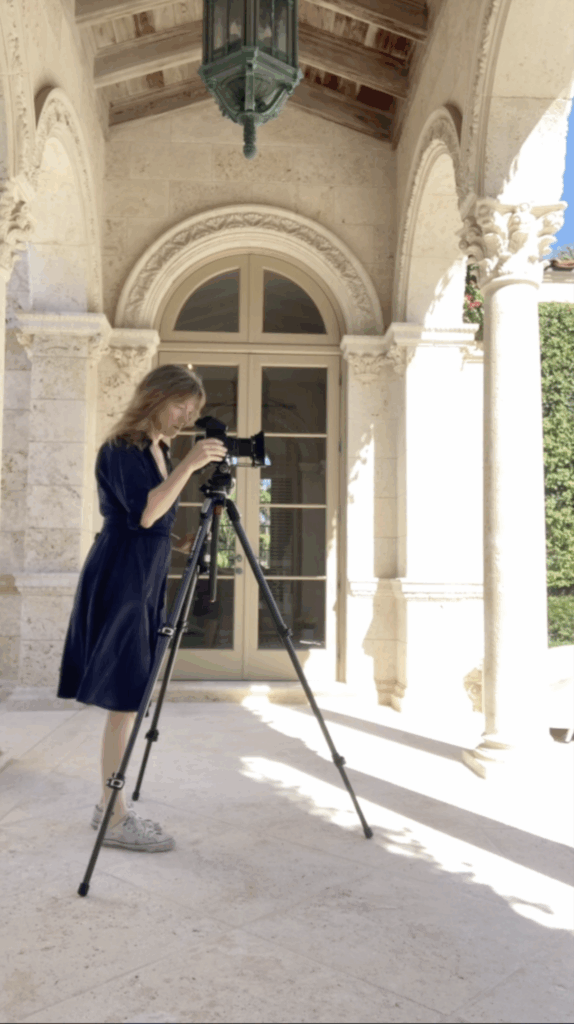
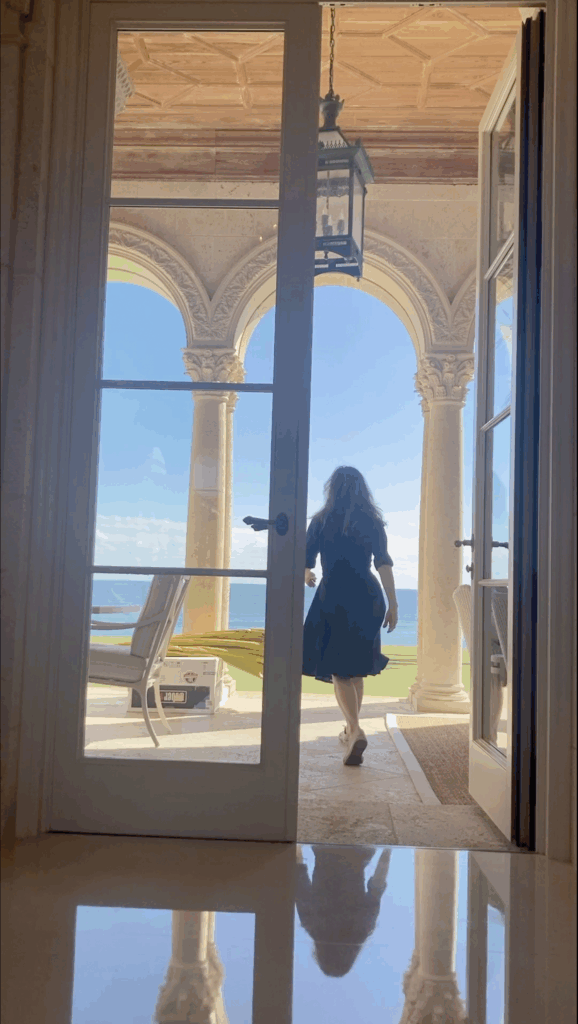
Her process begins with conversation and often an on-site visit. “It’s important to understand a client’s environment, their sensibilities, and eye,” she explains. Concepts are refined until excitement and alignment emerge. Styling is essential, as it is to all great artists. “Since my images are typically heavily styled,” she says, “locating props and costumes is very important.” She photographs on film and refines each final image meticulously for print. “Voilà,” she adds.
Wardrobe and historical references are used with intention. “I have a real love for costuming,” Prince says. She maintains a small but carefully curated collection. “It isn’t large, but I look for pieces I can’t believe exist, so the aesthetics are strong,” she notes, “and I’m a delighted steward of them.”
Place, Purpose, And What Comes Next
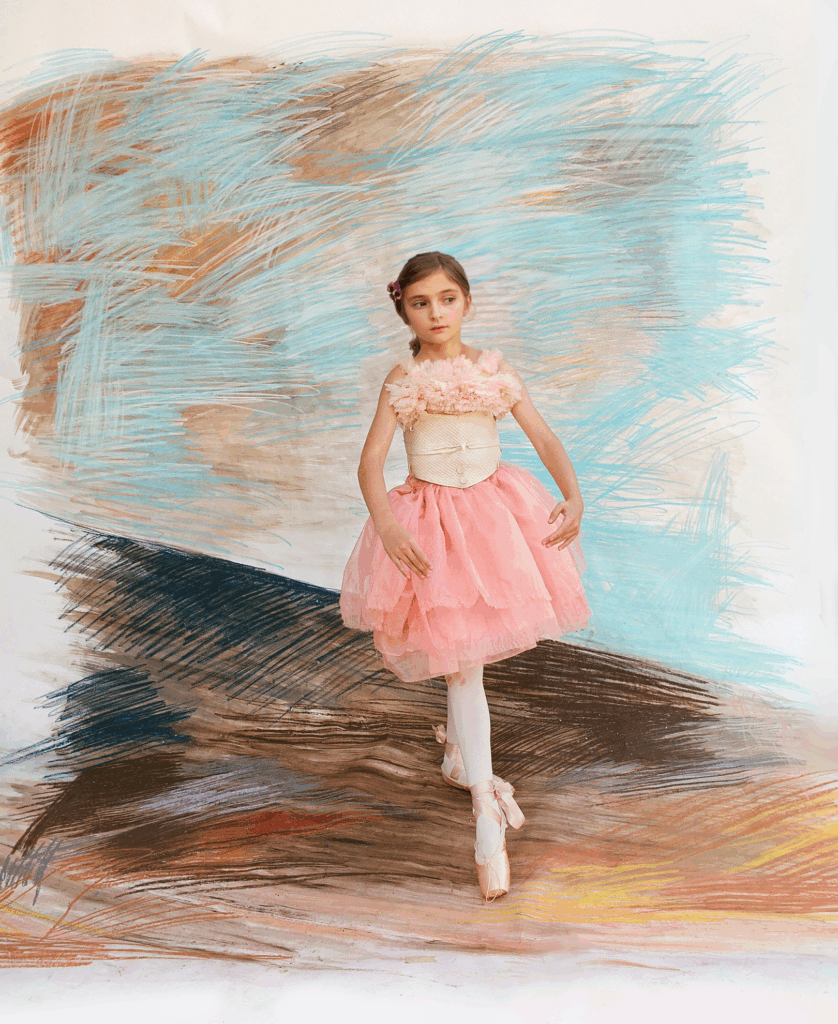
Prince works both in the studio and on location, guided by artistic necessity.
“Texas interiors and architecture can be extraordinary,” she says, while studio work allows for “a distilled, painterly focus.” Her commitment to place has taken her as far as Paris, “strictly to capture location images,” a nod to her early practice, which always began with environment. Her work continues to be guided by personal questions. “What is my true desire asking of me? What will I risk? What work is worth making now?” she reflects. And what does she hope a Curated Texan reader takes away? “A sense of enjoyment,” she says. “The work leans into the pleasure we can take from art.”