 Michael Satterfield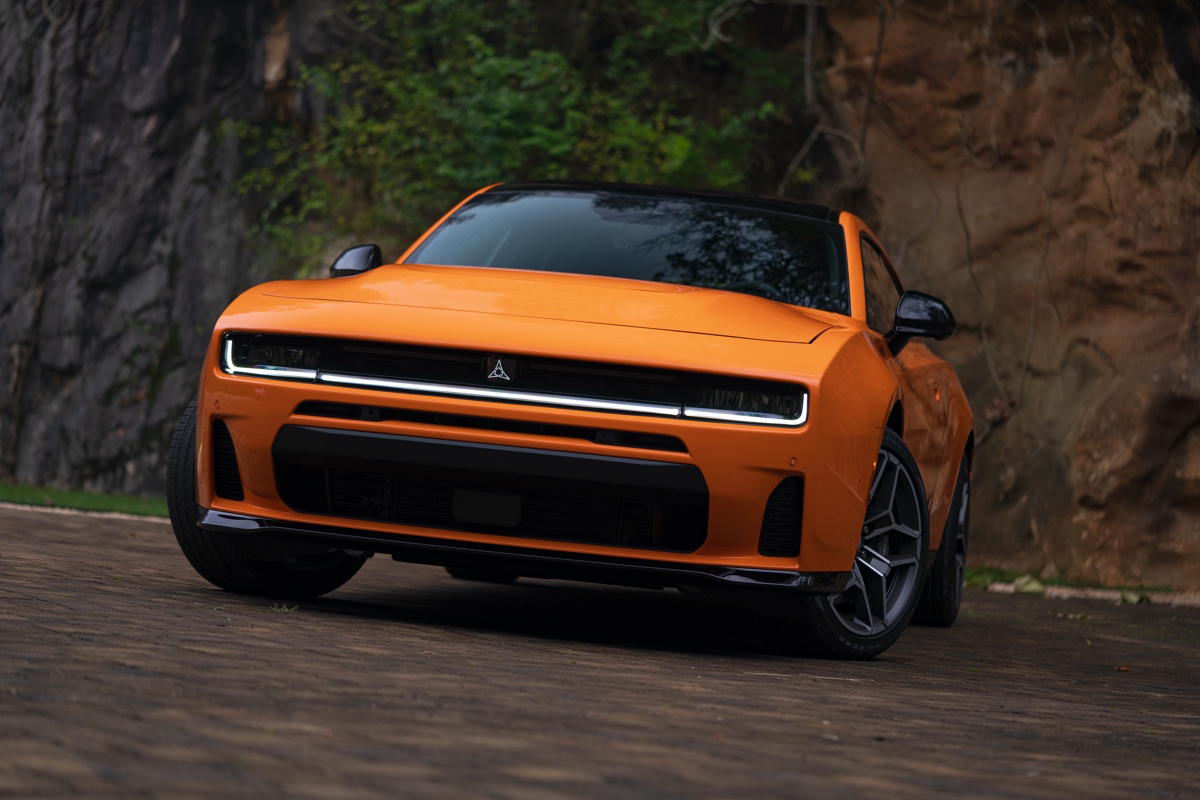
The 2026 Dodge Charger Scat Pack Plus arrives at an interesting moment for American performance cars. The old formula was simple: big engine, big noise, big attitude. The new Charger takes a different path, trading the familiar HEMI V8 for a twin-turbocharged inline-six, adding standard all-wheel drive, and wrapping it all in a sleeker, more modern package.
On paper, it is hard not to be impressed. The Scat Pack uses Dodge’s high-output 3.0-liter twin-turbo SIXPACK engine, producing 550 horsepower and 531 lb-ft of torque. Dodge says it will run from 0 to 60 mph in 3.9 seconds and cover the quarter-mile in 12.2 seconds. Those are serious numbers for a large, usable performance car. But numbers do not tell the whole story.
Earlier this year, I drove the 2026 Dodge Charger R/T and came away genuinely impressed. At around $51,000, the R/T felt like a smart evolution of the Charger idea. It had strong power, standard all-wheel drive, modern styling, and enough personality to make the loss of the old V8 easier to accept.
That experience set high expectations for the Scat Pack Plus. With more horsepower, more aggressive equipment, and a higher price, this should feel like the special one. After driving it, I am not sure it does.
The Charger Scat Pack Plus I Tested
The 2026 Dodge Charger Scat Pack Plus I drove had a base price of $54,995. It was equipped with the Custom Preferred Package, Blacktop Package, Carbon and Suede Package, 20-inch x 11-inch wheels and tire package, full glass roof, and Alpine sound system. After destination, the total MSRP came to $69,455.
That price matters. At around $55,000, the Scat Pack makes a fairly strong case for itself as a powerful, practical, all-wheel-drive performance car. Near $70,000, the expectations change. At that point, buyers are comparing it against cars that are lighter, sharper, more focused, or simply more special.
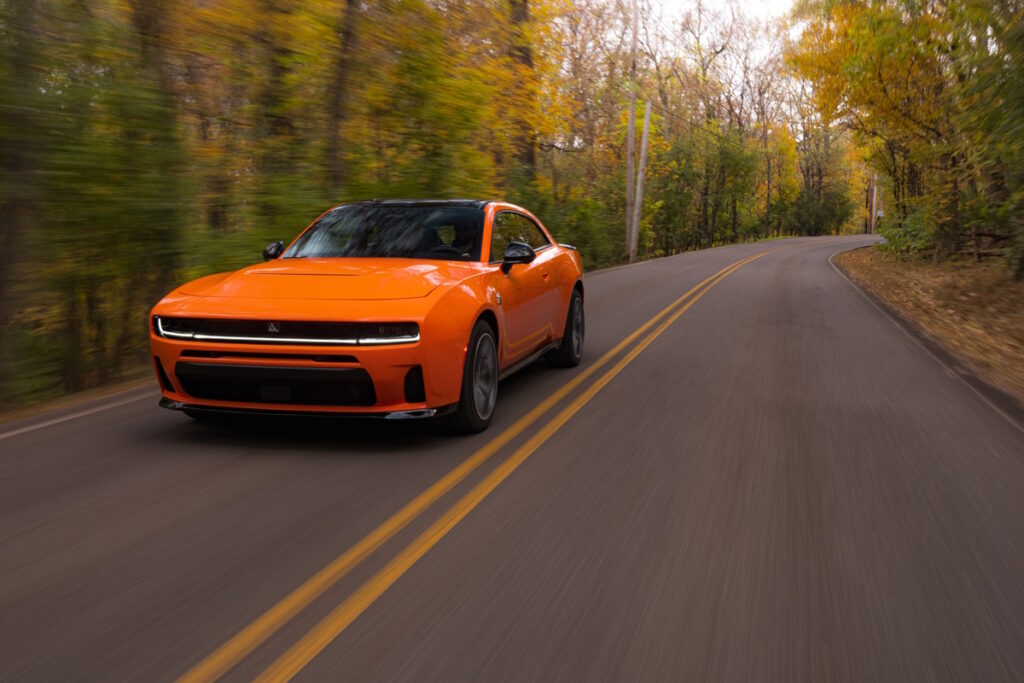
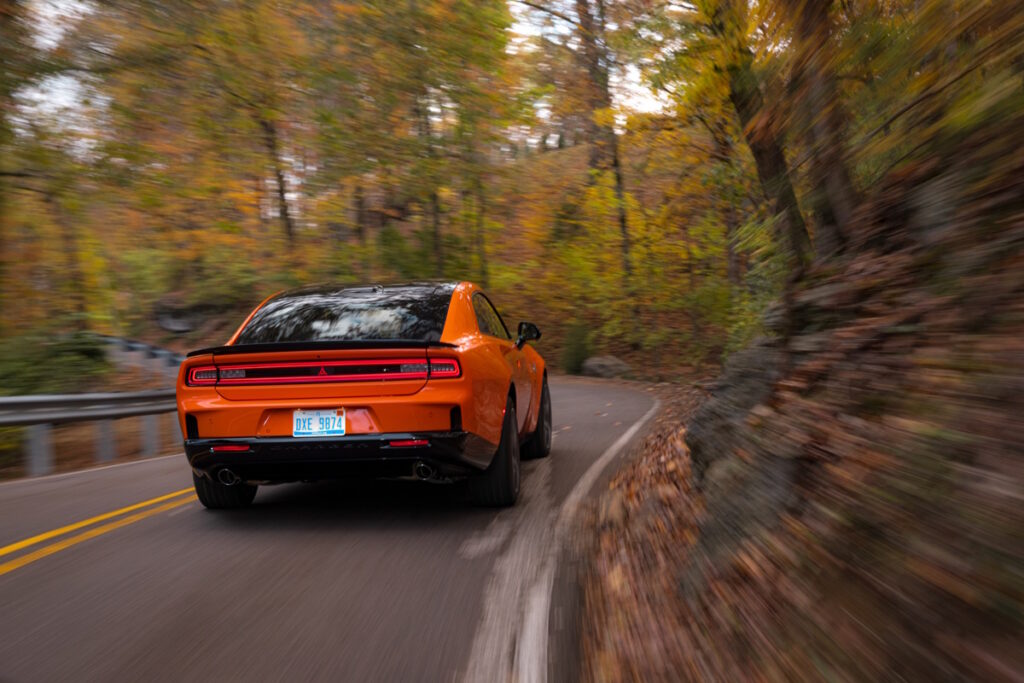
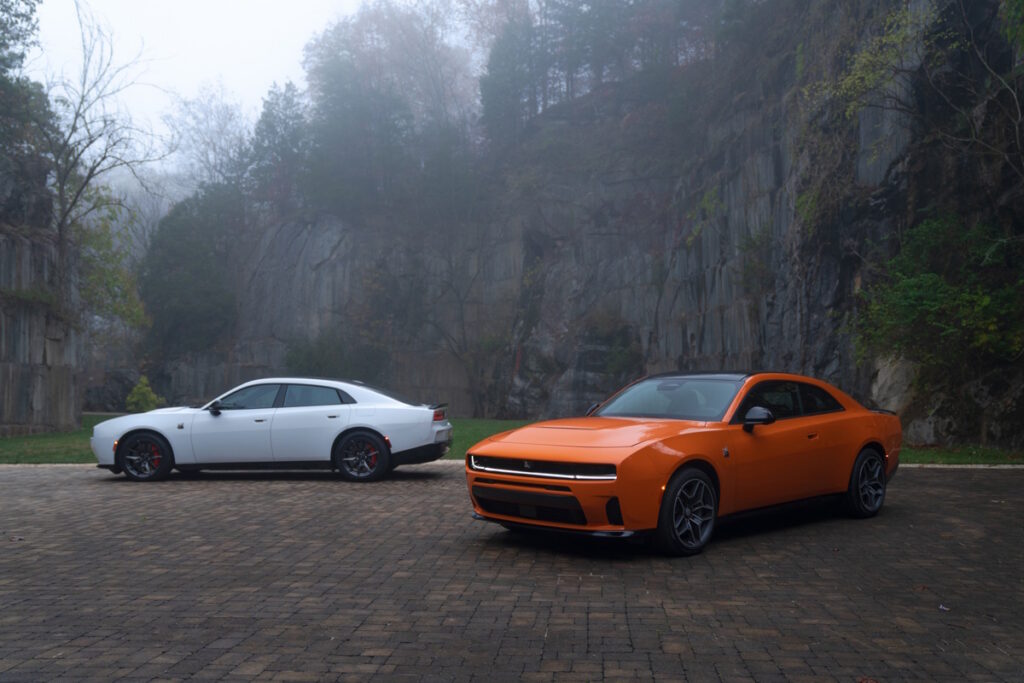
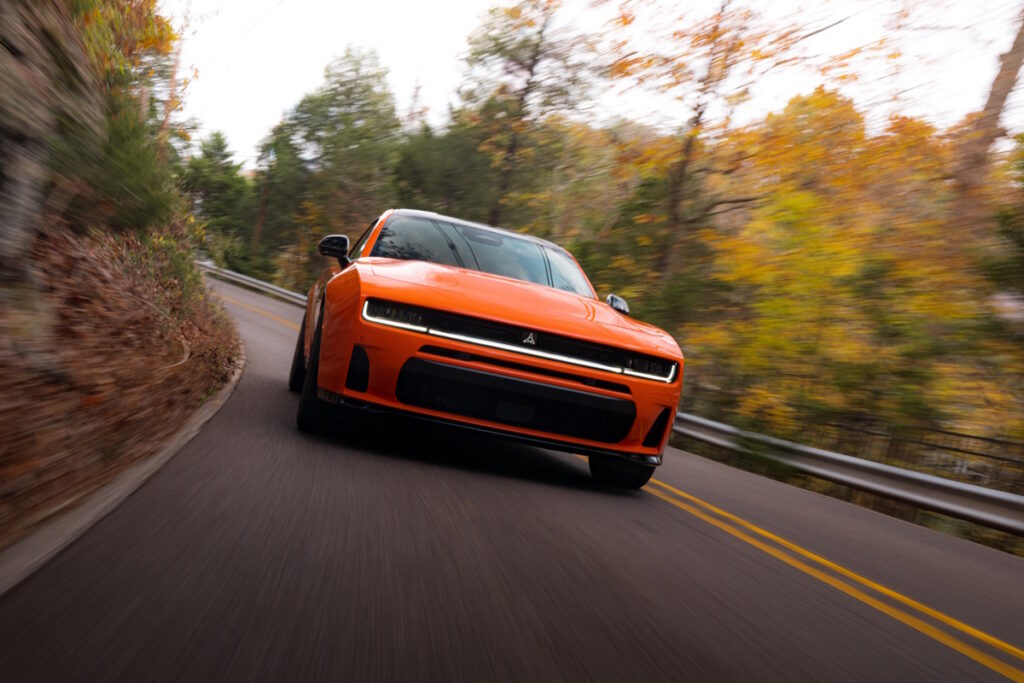
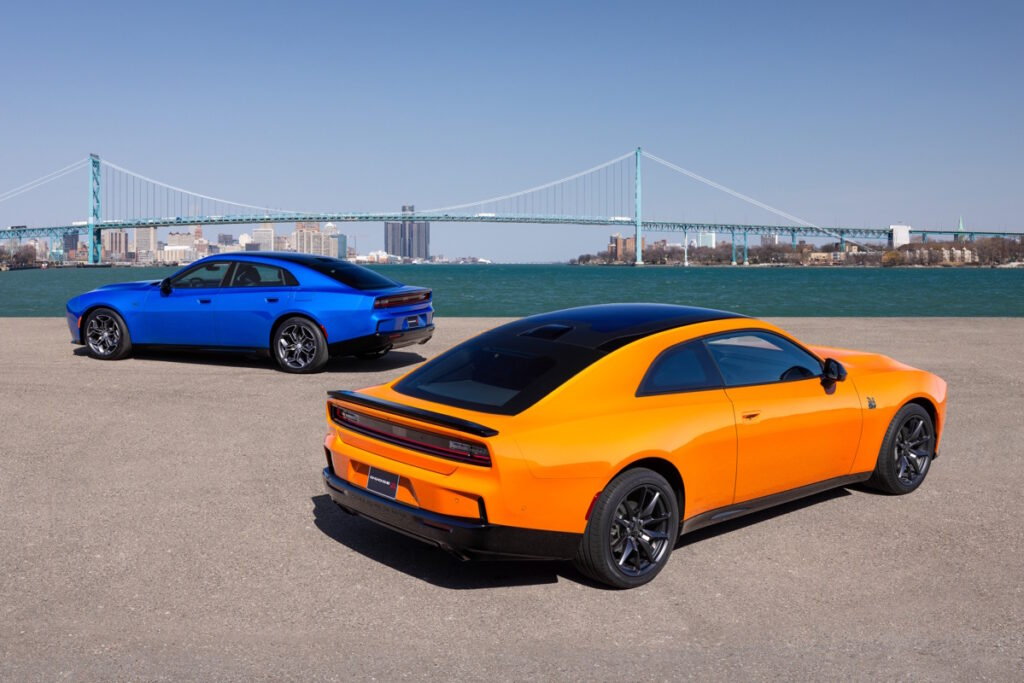
Visually, the Charger still works. The new shape is clean and modern, with enough traditional Dodge attitude to remain recognizable. The Blacktop Package gives the car a more aggressive look, while the wide 20-inch wheels help it sit properly on the road. It has presence without feeling cartoonish, which is not always easy for a modern muscle car.
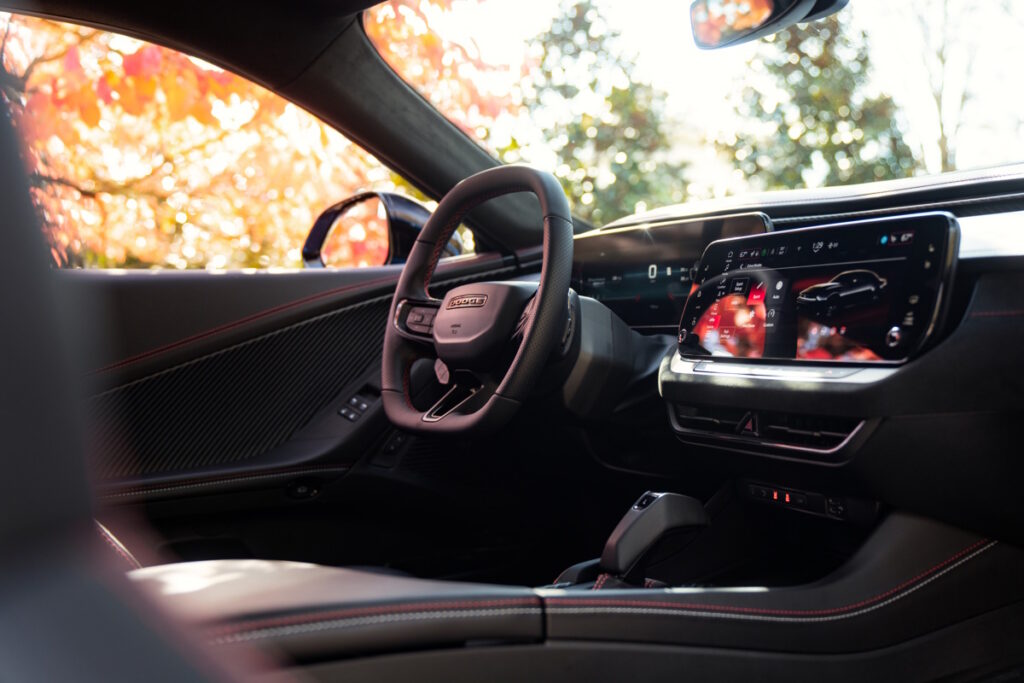
Inside, the Charger is a major improvement over the previous generation. The cabin feels more premium, the technology is better integrated, and the Carbon and Suede Package adds some needed visual and tactile interest. The full glass roof makes the interior feel more open, and the Alpine sound system is a worthwhile option for daily use.
The Charger is also genuinely practical. The liftback layout adds useful cargo space, the back seat is livable, and the car feels like something you could drive every day without making constant excuses for it. That part of the formula works very well.

Fast, But Not Transformative
The high-output SIXPACK engine is strong. There is no question about that. It builds speed quickly, delivers confident passing power, and gives the Scat Pack the kind of effortless acceleration expected from a modern performance car.
The eight-speed automatic transmission is smooth and responsive, and the all-wheel-drive system helps the car put its power down cleanly. Dodge also deserves credit for offering a rear-wheel-drive mode, because a Charger still needs the ability to loosen its tie now and then.
But despite the added horsepower, the Scat Pack Plus does not feel dramatically different from the R/T in everyday driving. It is quicker, certainly, but not in a way that completely changes the personality of the car.
The issue is not the engine’s output. The issue is the weight. At roughly 4,816 pounds, the Charger Scat Pack Plus is a large and heavy car. That mass affects the experience. You feel it in transitions, in corners, and in the way the car responds when pushed harder. It has plenty of grip and stability, but it never really feels light, eager, or especially playful.
The result is a car that is very capable, but not always deeply engaging.
Missing Some Of The Old Magic
The old Scat Pack cars were not perfect, but they had personality in abundance. The 6.4-liter HEMI V8 gave those cars a sense of occasion every time you started them. The sound, the vibration, and the immediate throttle response made even a short drive feel memorable.
The new twin-turbo straight-six is technically impressive. It produces more power than the old 392 HEMI and does so with modern refinement. It is smoother, more efficient in its delivery, and better suited to the realities of today’s market. But it does not provide the same emotional connection.
That is the central challenge for this new Scat Pack. It is faster and more refined than the old car, but it is also more filtered. The old car felt a bit wild, even at legal speeds. The new one feels controlled, capable, and polished. Those are good qualities, but they are not necessarily the qualities that made people fall in love with Scat Pack models in the first place. In the Charger R/T, the new formula felt fresh. In the Scat Pack Plus, it feels like it needs another layer of drama.
Handling And Ride
The Charger Scat Pack Plus feels planted and confident. It tracks well at speed, offers plenty of tire, and feels composed on the highway. For long drives, it is an easy car to like. The seats are comfortable, the cabin is quiet enough for daily use, and the car has the kind of grand touring ability that makes it more versatile than many performance coupes.
On tighter roads, the size and weight become more obvious. The steering is accurate, but the car never feels truly nimble. It can move quickly through corners, but it does not invite the driver to keep pushing in the way a lighter performance car does.
That may not matter to every buyer. Many Charger owners value straight-line speed, comfort, presence, and usability more than back-road precision. For that audience, the Scat Pack Plus still has appeal.
But at this price, it is fair to expect more than speed alone.
The Competition Gets Serious At $70,000
The Charger Scat Pack Plus I tested came in at $69,455. That puts it into a very competitive space.
The Ford Mustang Dark Horse starts at a base MSRP of $63,080, with the Dark Horse Premium landing in the same general range as this Scat Pack. It has a naturally aspirated 5.0-liter V8 making 500 horsepower, and while I have not driven the 2026 Dark Horse yet, it appears more focused and purpose-built as a performance car.
The BMW M2 is another compelling alternative. It produces 473 horsepower and has a starting MSRP around $65,000 to $69,000 depending on configuration. More importantly, it weighs around 3,814 pounds, roughly 1,000 pounds less than the Charger Scat Pack. For buyers who prioritize driver engagement, that weight difference is significant.
Then there is the Chevrolet Corvette Stingray. With the Z51 package or performance exhaust, the Corvette makes up to 495 horsepower and starts around $68,300 to $70,000 depending on model year and equipment. It is not as practical as the Charger, but it feels like a true sports car, and at this price point, that matters.
This is where the Charger faces its biggest challenge. It is practical and powerful, but its as-tested price brings it close to cars that feel more focused, more emotional, or more special.
What The Charger Still Does Well
The Scat Pack Plus is not a bad car. In fact, it does many things very well.
It is fast. It is comfortable. It has usable space. It looks sharp. It offers all-wheel-drive confidence. It has a much-improved interior. It can handle daily commuting, weekend trips, and poor weather better than most traditional performance cars.
For someone who wants one car that can do a little of everything, the Charger remains appealing. It is more practical than a Mustang, far more usable than a Corvette, and more relaxed than a BMW M2.
There is also real value in Dodge keeping a gasoline performance car in the lineup. The market has changed, and the new Charger reflects that. It is not simply trying to copy the past, which is probably the right decision.
The problem is that the Scat Pack name brings expectations with it. It should feel like the exciting upgrade over the R/T. It should feel like the one you stretch the budget for. It should feel special.
This one feels quicker, but not special enough.
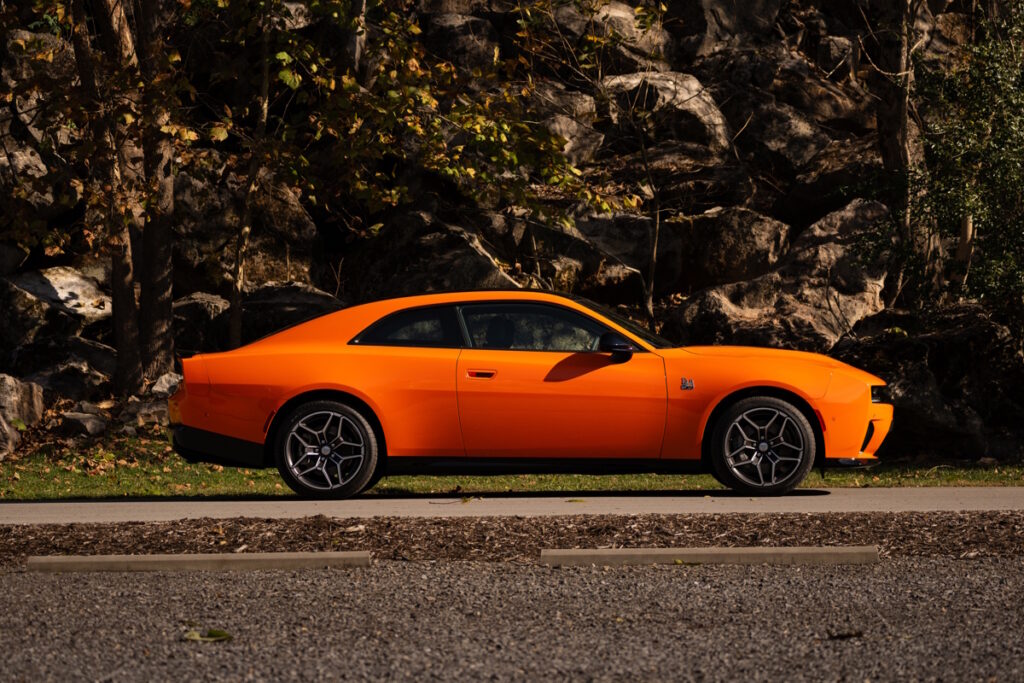
Is it worth $70K?
The 2026 Dodge Charger Scat Pack Plus is a powerful and practical modern performance car, but it is not the emotional knockout I hoped it would be.
The R/T impressed me because it felt like a smart, well-balanced reinvention of the Charger. The Scat Pack Plus adds more power and equipment, but the driving experience does not feel dramatically different enough to fully justify the price jump, especially when optioned to nearly $70,000.
The weight of the car and the limits of the chassis keep the extra horsepower from feeling as transformative as it should. The twin-turbo inline-six is strong, but it does not deliver the same visceral character as the old HEMI V8.
For the right buyer, the Scat Pack Plus will make sense. It is quick, comfortable, usable, and distinctive. But for buyers looking for a truly special performance car at this price, the Mustang Dark Horse, BMW M2, and Corvette Stingray make the decision much harder.
The new Charger Scat Pack Plus is impressive. I just wanted it to be more memorable.
Dodge Charger Scat Pack Quick Facts
- Vehicle: 2026 Dodge Charger Scat Pack Plus
- Engine: 3.0-liter twin-turbo SIXPACK high-output straight-six
- Horsepower: 550 hp
- Torque: 531 lb-ft
- Transmission: 8-speed automatic
- Drivetrain: All-wheel drive with selectable rear-wheel-drive mode
- 0 to 60 mph: 3.9 seconds, manufacturer claim
- Quarter-mile: 12.2 seconds, manufacturer claim
- Curb weight: Approximately 4,816 lbs
- Test vehicle base price: $54,995
- MSRP as tested: $69,455 after destination
- Options: Custom Preferred Package, Blacktop Package, Carbon and Suede Package, 20-inch x 11-inch wheels and tire package, full glass roof, Alpine sound system
- Best for: Buyers who want a fast, comfortable, all-weather performance car with real daily usability
- Biggest drawback: It lacks some of the emotional character that defined earlier HEMI-powered Scat Pack models