 Lance Avery Morgan
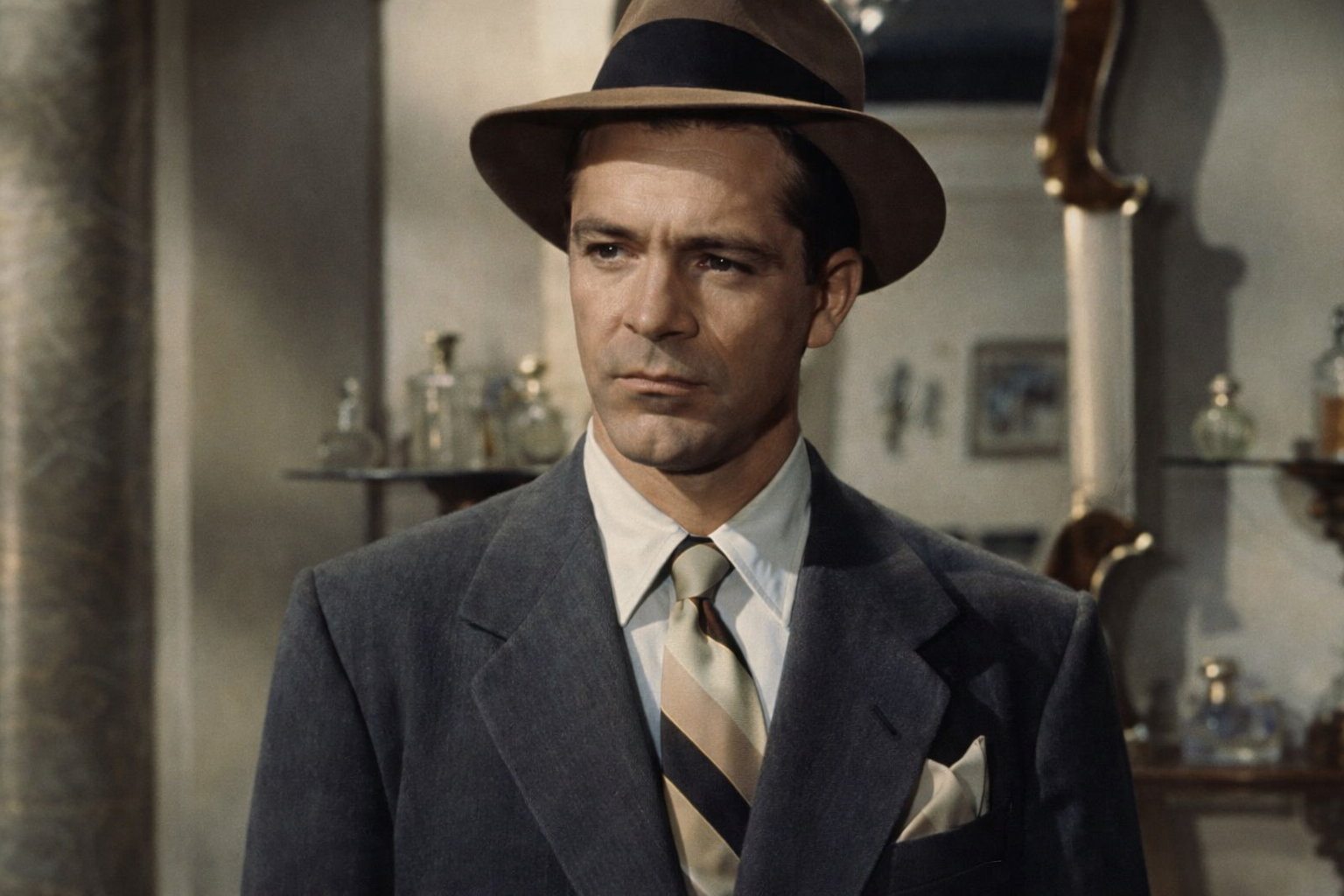
From Huntsville Hymnals To Hollywood Noir, The Parson’s Son Who Mastered Understatement Became The On-Screen Moral Barometer Of Postwar American Cinema
Before Hollywood perfected the art of the smirk, before leading men learned to wink for the camera and exit stage left with a cocktail in hand, there was a tall, steady-eyed Texan who looked as if he’d just finished splitting fence posts and was now prepared to split moral hairs. Dana Andrews didn’t flirt with the camera; he faced it down. In an era of dazzling charmers and theatrical titans, he built a career on something far riskier: restraint. And he brought that restraint straight from Huntsville, Texas, as our cineaste Lance Avery Morgan learned.
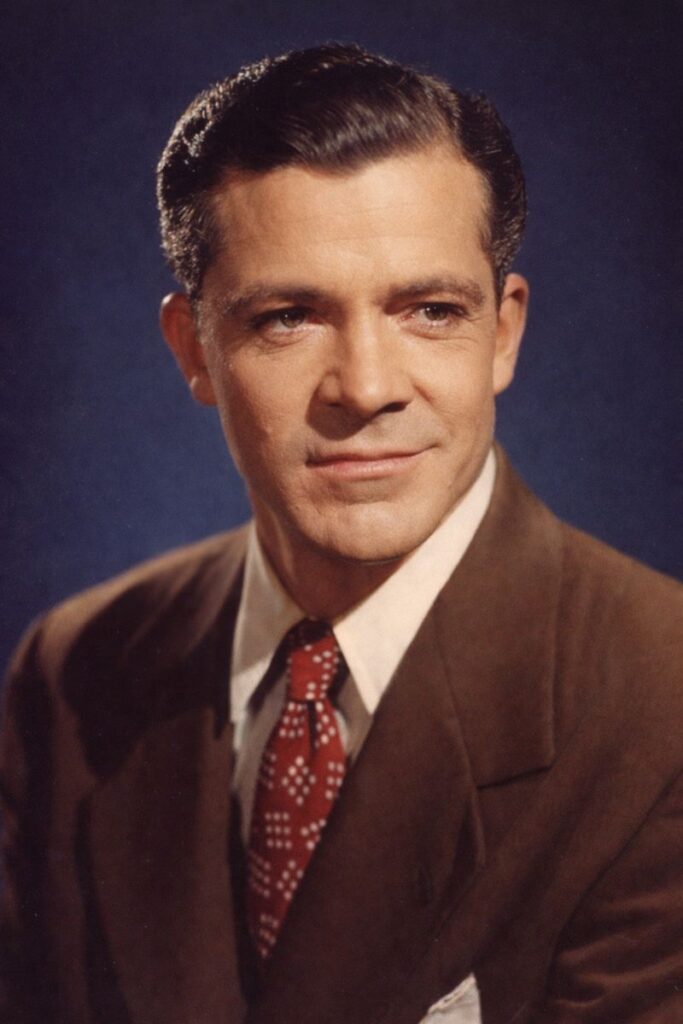
Texas Leading Man Dana Andrews
Some leading men beam like Technicolor postcards; others gather on screen like an approaching thunderhead. Andrews was the thunderhead. Not flashy. Not fussy. Just quietly loaded with emotional weather. He could shoulder the weary conscience of postwar America without loosening his tie. But long before the trench coats and studio gloss, he was the son of a Baptist minister, raised in a household where self-control wasn’t a technique… it was Tuesday.
Born in the Deep South and raised in Huntsville, Andrews grew up third in a sizable brood, absorbing small-town discipline, church-pew patience, and the kind of moral clarity that later became his cinematic calling card. He studied at Sam Houston State University (then Sam Houston State Teachers College), briefly flirted with business administration, and, in a plot twist no one saw coming, headed west to Los Angeles, initially to sing. Yes, sing. The movies arrived afterward. The inner ballast was already installed.
Hollywood quickly realized that Andrews possessed a rare commodity: a face that suggested thought. His features didn’t beg for applause; they invited scrutiny. His voice carried the reassuring timbre of a man who would show up on time and mean what he said. In the 1940s, he became one of the decade’s indispensable leading men, not quite as debonair as Cary Grant, not boyishly awed like James Stewart, but something arguably more durable: credible. The real deal.
Consider the run. The Ox-Bow Incident (1943), Laura(1944), A Walk in the Sun (1945), and the towering The Best Years of Our Lives (1946). Those titles aren’t just résumé lines; they’re shorthand for a particular kind of American masculinity: thoughtful, bruised, and morally alert. Andrews didn’t dominate scenes; he grounded them. He made complicated men not merely watchable, but recognizable.
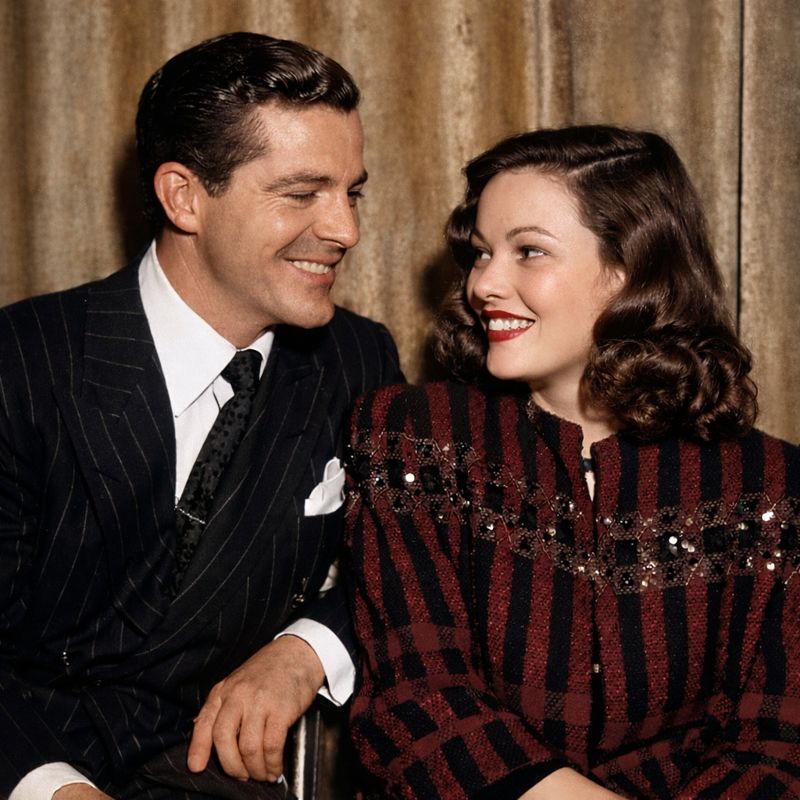
The Best Years Of Dana Andrews’ Life
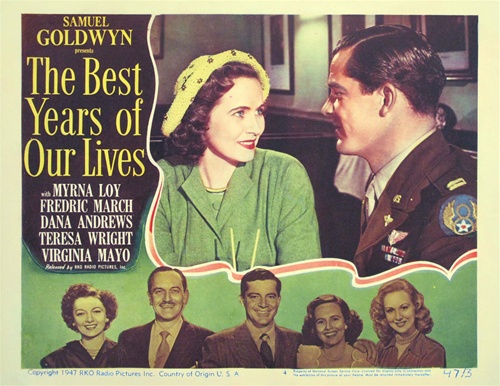
If one performance lingers longest, it’s Fred Derry in The Best Years of Our Lives. As a returning veteran discovering that home has subtly rearranged itself without consulting him, Andrews delivered something extraordinary: the ache of displacement without theatrics. The film became a national conversation, and Andrews became its steady pulse. Similarly, as detective Mark McPherson in Laura, he wasn’t flamboyant; he was forensic. Cool, probing, and quietly relentless, he functioned as the film’s moral measuring stick. Others emoted; he evaluated.
That measured style earned both applause and side-eye. Some critics, craving fireworks, labeled him “wooden,” which in Andrews’ case meant he declined to telegraph suffering. He internalized it. His co-star Joan Crawford, who worked alongside him in Daisy Kenyon, pushed back on the doubters, noting that he was “underestimated” precisely because he underplayed—a discipline she rightly called difficult. In other words, what some mistook for stiffness was in fact precision.
He could also pivot. In The Ox-Bow Incident, his portrayal of a man swept into mob justice was so raw in its quiet despair that even the formidable critic Bosley Crowther described it as heart-wringing. From wartime dramas to shadow-soaked noir to domestic melodrama, Andrews displayed a range that often hid behind the simple label “leading man.” A more accurate term would be “actor who happened to lead.”
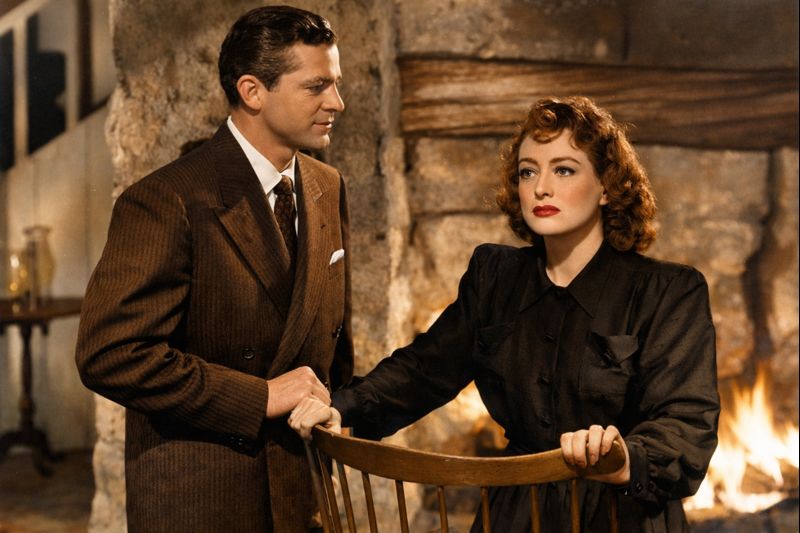
Dana Andrews’ Texas Cadence
There was, unmistakably, a Texan cadence to his work; direct, laconic, morally plainspoken. A Texas man of this time. That sensibility allowed him to transition seamlessly from heroic war films and Westerns into the murkier terrain of noir, where ethics bent but rarely snapped. Audiences trusted him. He felt like someone you might actually know: the steady neighbor, the thoughtful veteran, the man who would fix the porch light and then quietly contemplate existence.
Studio publicity departments, of course, did their usual polishing to feed the insatiable movie magazines and newspaper columns: gas-station jobs, singing-student anecdotes, wholesome mythology, but the truth required little embellishment. Viewers kept buying tickets because Andrews delivered consistency in an era wobbling between triumph and trauma.
After the golden studio years, he continued working steadily in film and television and even stepped into industry leadership, serving as president of the Screen Actors Guild in the 1960s. It was a fitting chapter for a man who had spent decades embodying responsibility on screen. His later years were marked by health struggles, and he passed away in 1992. Yet the performances endure, still flickering across late-night broadcasts and repertory screenings, still resonating without bombast.
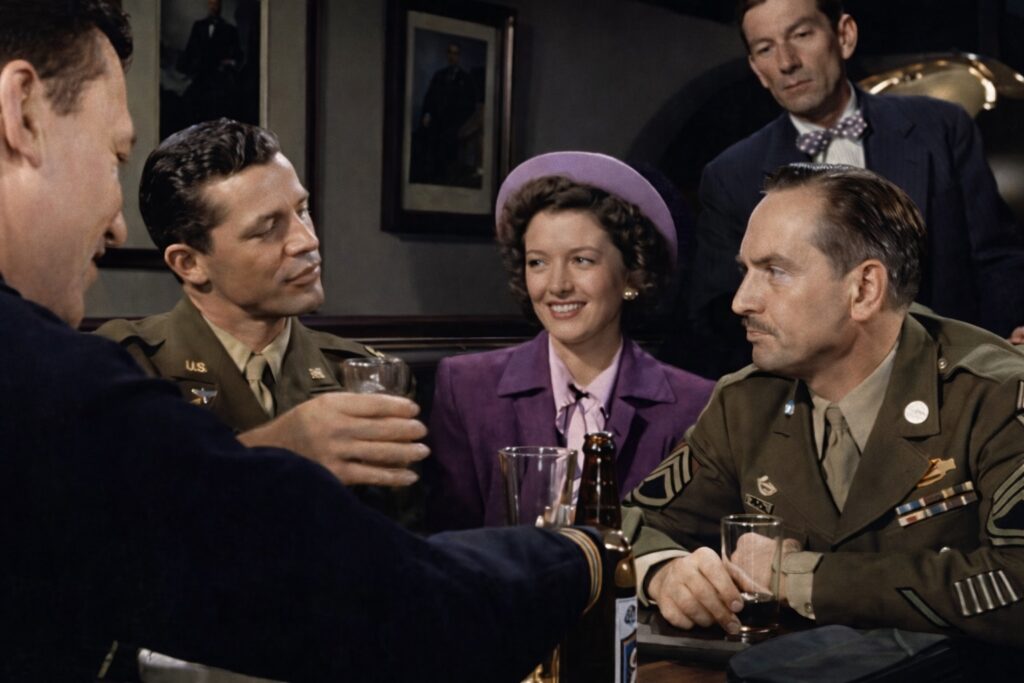
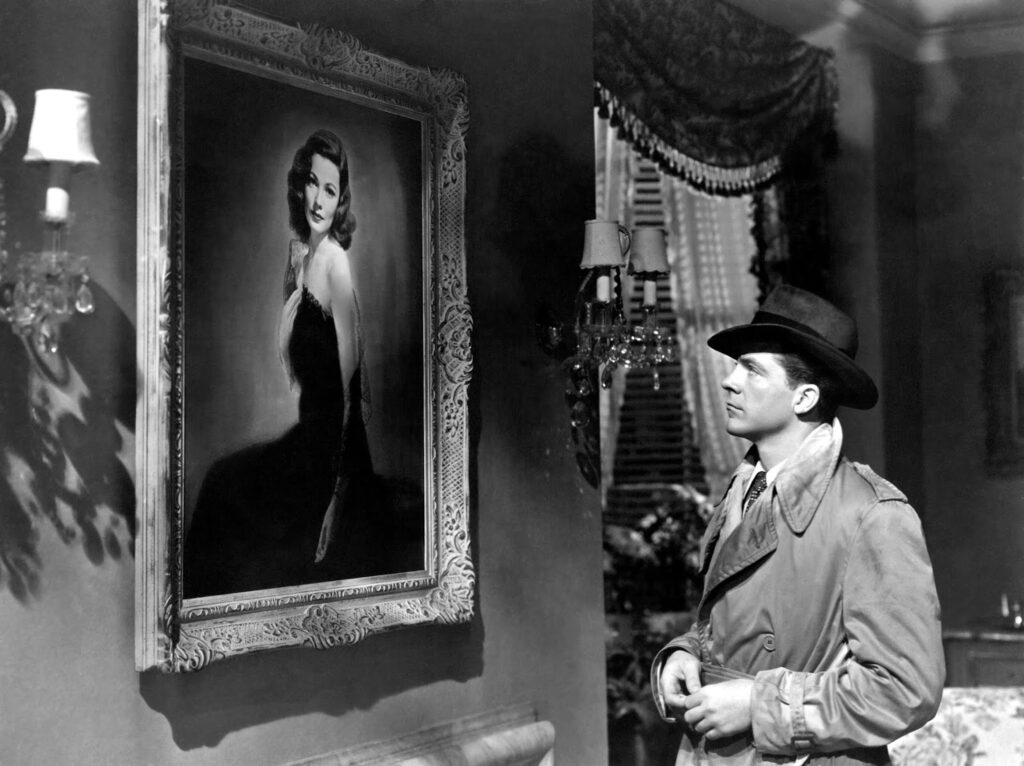
So what was the verdict from his era? Colleagues called him underestimated. Critics occasionally called him wooden. Audiences called him reliable, sometimes haunting. The common thread was this: Dana Andrews turned understatement into an instrument. He didn’t chew scenery. He measured it. He didn’t demand the headline. He made the film work.
For those who appreciate a classic Texas trajectory, from small-town roots to national influence, Andrews stands as a sterling example. He proved that star power doesn’t always sparkle; sometimes it steadies. And for a few defining years in the 1940s, a quiet voice from Huntsville carried the complicated conscience of an entire nation…no wink required.
Five Favorite Dana Andrews Films To Watch (& Why They Matter)
Dana Andrews didn’t dominate scenes… he calibrated them. These five films reveal why his steady presence became a hallmark of Hollywood’s most thoughtful era, and why his Texas-rooted restraint still resonates on screen today.
1. The Ox-Bow Incident (1943)
Why watch: Andrews’ breakout dramatic turn, and still one of Hollywood’s most searing indictments of mob justice.
Viewing note: Notice how little he “acts.” His restraint makes the moral horror land harder, and you can feel the Texan plainspokenness anchoring the film’s conscience.
2. Laura (1944)
Why watch: Film noir perfection. Andrews’ Detective Mark McPherson is the cool, rational spine in a world of obsession and deception.
Viewing note: His clipped delivery and stillness create tension; every pause is doing work. This is star power without showboating.
3. A Walk in the Sun (1945)
Why watch: One of the most realistic WWII films of its era, focusing on exhaustion, uncertainty, and ordinary courage.
Viewing note: Andrews leads not with heroics but with weary authority, embodying the everyday American officer.
4. The Best Years of Our Lives (1946)
Why watch: The defining postwar American film, and Andrews’ most emotionally resonant performance.
Viewing note: Track how he plays displacement rather than trauma outright. His quiet heartbreak mirrors a country learning how to come home.
5. Daisy Kenyon (1947)
Why watch: A sophisticated romantic drama that lets Andrews reveal vulnerability beneath his stoic exterior.
Viewing note: Paired against Henry Fonda and Joan Crawford, Andrews shows how emotional repression can be just as compelling as overt passion.