 Lance Avery Morgan
The Oscar-Nominated Screenwriter, Playwright, Novelist, And Adapter Transformed Beloved Literary Works Into Timeless Stage And Screen Classics, Proving That One Of Cinema’s Sharpest Voices Began In The Heart Of Texas
Some creative talents spend a lifetime searching for their voice. Jay Presson Allen discovered that hers wasn’t meant to be spoken from a stage; it was destined to be written onto the pages of some of the twentieth century’s most enduring films and plays, as our pop culture chronicler about all things Texas, Lance Avery Morgan, shares…
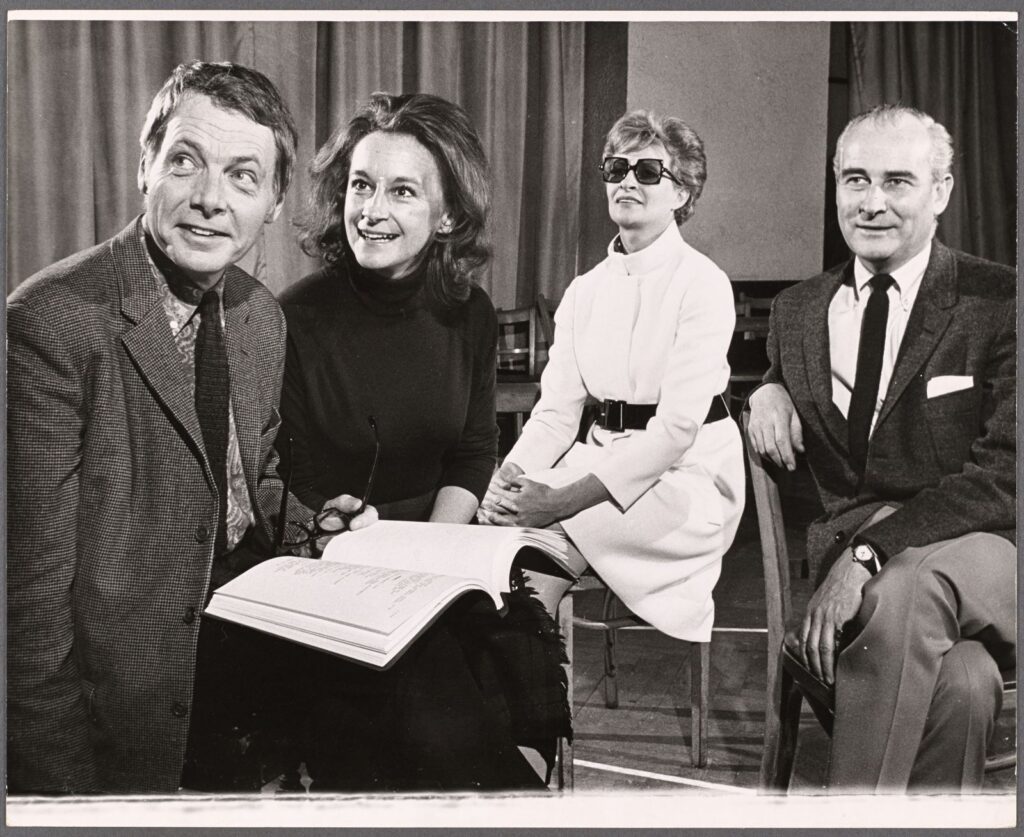
Born Jacqueline Presson in 1922 in San Angelo, Texas, a city of 10,500 citizens at the time, she would embark on a remarkable journey that carried her from the wide-open landscapes of West Texas to Broadway, Hollywood, and ultimately the Academy Awards. Along the way, she became one of America’s most respected screenwriters and playwrights, leaving an indelible mark on film, theater, and television through her intelligence, wit, and uncanny gift for adaptation.
Although her name may not enjoy the same household recognition as the directors and actors with whom she collaborated, Allen’s influence is woven throughout some of the most celebrated productions of the last century. Her career serves as another reminder that Texas has long produced creative visionaries whose impact extends far beyond the state’s borders.
A Texas Beginning, A New York Dream
Growing up in San Angelo during the 1920s and 1930s, Allen developed an appreciation for storytelling long before she would become one of its foremost practitioners. At just 18 years old, she moved to New York City, determined to pursue a career as an actress. Like countless ambitious young performers before and after her, she hoped Broadway would provide her big break.
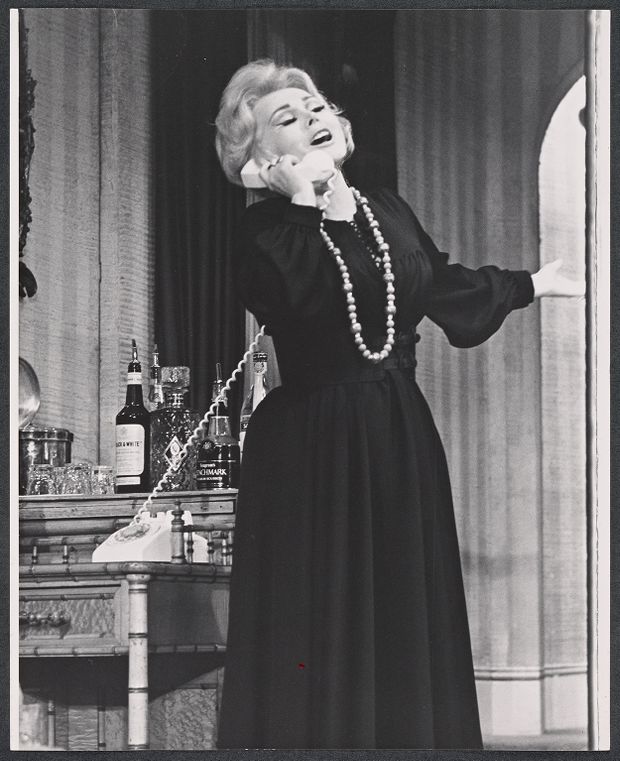
Instead, it provided something perhaps even more valuable: perspective.
After marrying in the early 1940s and relocating to Southern California, Allen realized acting was not the fulfilling career she had imagined. More importantly, she saw writing as a means to achieve something increasingly important to her: creative freedom and financial independence.
That realization changed everything.
Finding Her Voice Through Fiction
Allen’s first novel, Spring Riot, was published in 1948, marking the official beginning of her literary career.
She eventually returned to New York, where she performed in cabaret and on radio. Yet, those experiences only reinforced her growing conviction that writing, not performing, was where her true talents resided.
Following the end of her first marriage, she married Lewis Allen in 1955, whose work as a reader for Broadway producer Bob Whitehead placed her even closer to the theatrical world she admired.
Ironically, one of Allen’s early plays was rejected before later being optioned, though never produced. Rather than discouraging her, the setback strengthened her resolve.
It would not be the last time perseverance became one of her greatest strengths.
Broadway Calling
Allen’s breakthrough came with The First Wife, which was later adapted into the 1963 film Wives and Lovers.
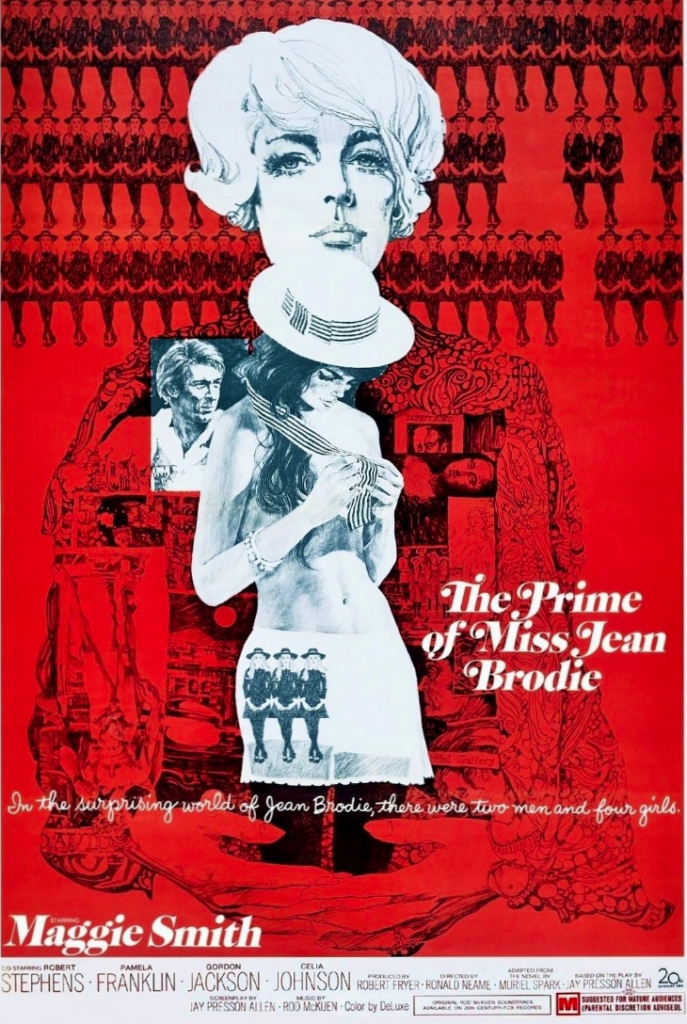
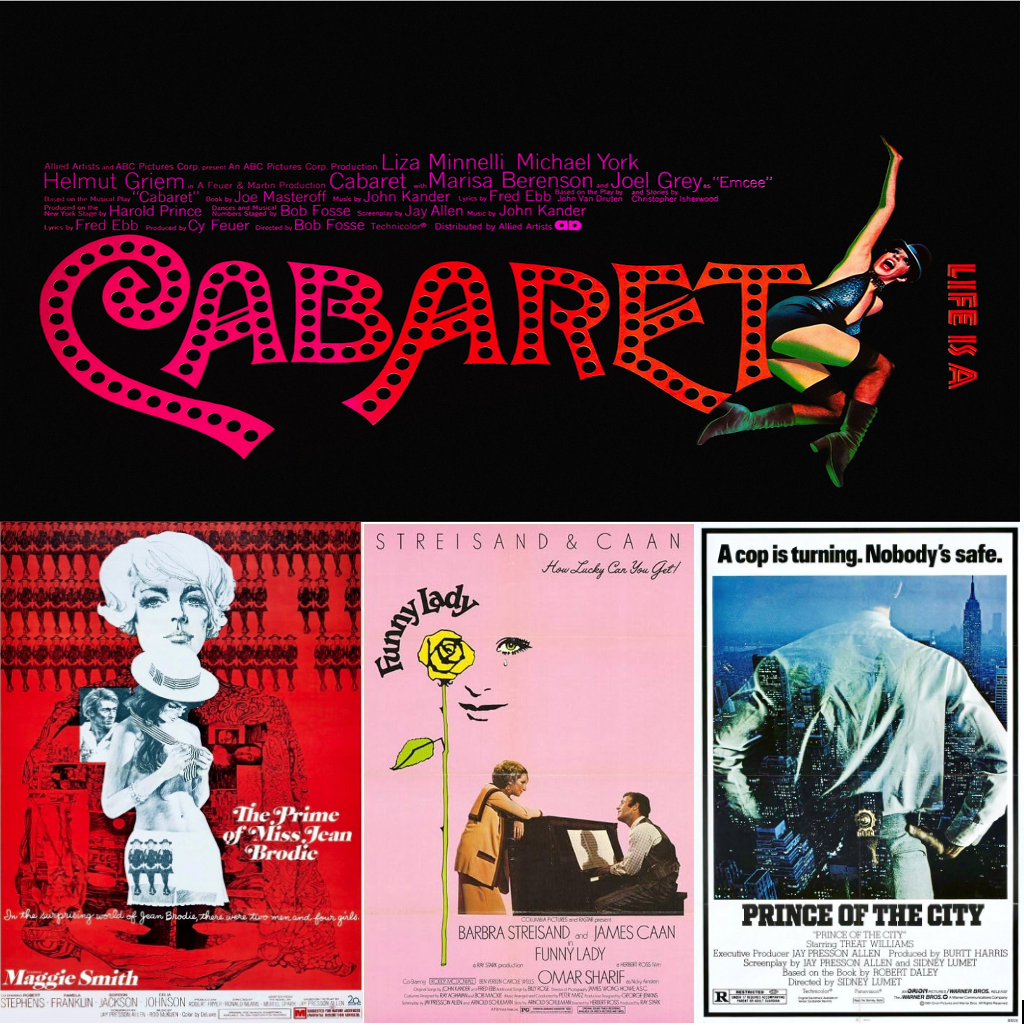
Soon afterward, she undertook what would become one of the defining projects of her career: adapting Muriel Spark’s celebrated novel The Prime of Miss Jean Brodie for the stage.
The production premiered in London in 1966 before transferring successfully to Broadway, earning widespread acclaim. Its eventual film adaptation became an international sensation, with Maggie Smith winning the Academy Award for Best Actress for her unforgettable portrayal of the unconventional schoolteacher Jean Brodie.
Allen had demonstrated an extraordinary ability that would define her career, capturing the heart of a beloved literary work while making it flourish in an entirely new medium.
She followed that triumph with another Broadway success, Forty Carats, adapted from a French comedy. The production became a hit, and legendary actress Julie Harris earned a Tony Award portraying a sophisticated 42-year-old woman who unexpectedly falls in love with a man two decades younger.
Allen possessed a rare ability to write intelligent women whose complexity felt refreshingly modern.
Reinventing Cabaret
Perhaps no project better illustrates Allen’s artistic confidence than Cabaret.
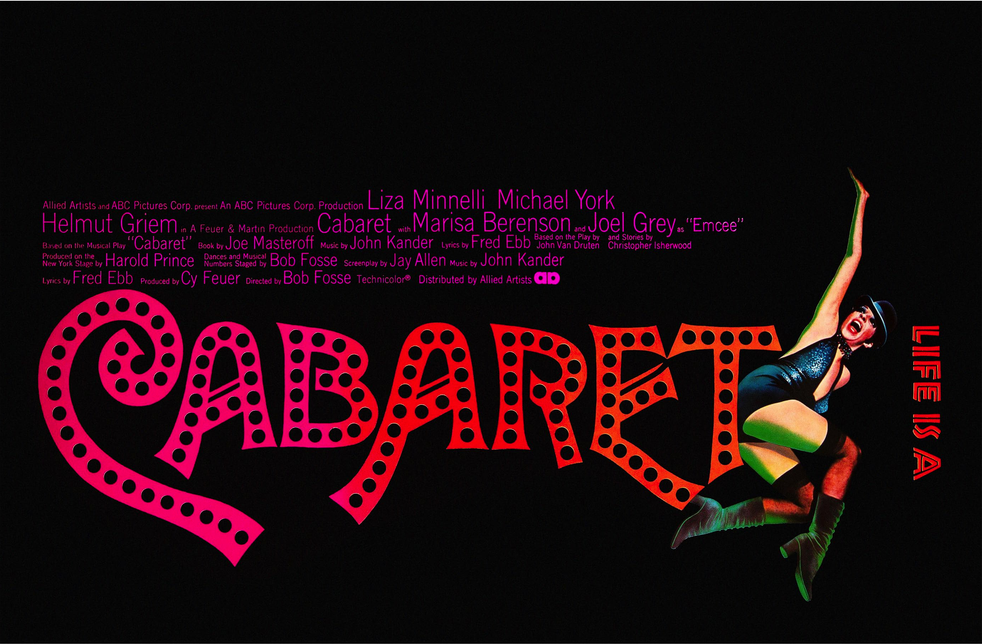
When director Bob Fosse recruited her to adapt the wildly successful Broadway musical for the screen, Allen chose not to simply translate the stage production into film. Instead, she returned to Christopher Isherwood’s original 1939 novel, Goodbye to Berlin, believing the source material offered richer dramatic possibilities.
Her task was formidable.
She needed to restructure the narrative into a cinematic story while honoring the emotional core of Isherwood’s work.
The collaboration proved difficult.
Allen and Fosse reportedly clashed throughout development. She later described the celebrated director as intensely depressive and believed that much of the script’s wit had disappeared during revisions. Eventually, she stepped away from the production.
Yet despite those creative differences, Allen retained screenplay credit.
Her work earned an Academy Award nomination, while Cabaret itself became one of the defining musicals in cinematic history, winning eight Oscars and forever changing how movie musicals could be made.
A Career Defined By Adaptation
Throughout her career, she became Hollywood’s preferred interpreter of sophisticated literary material, approaching each adaptation with remarkable discipline.
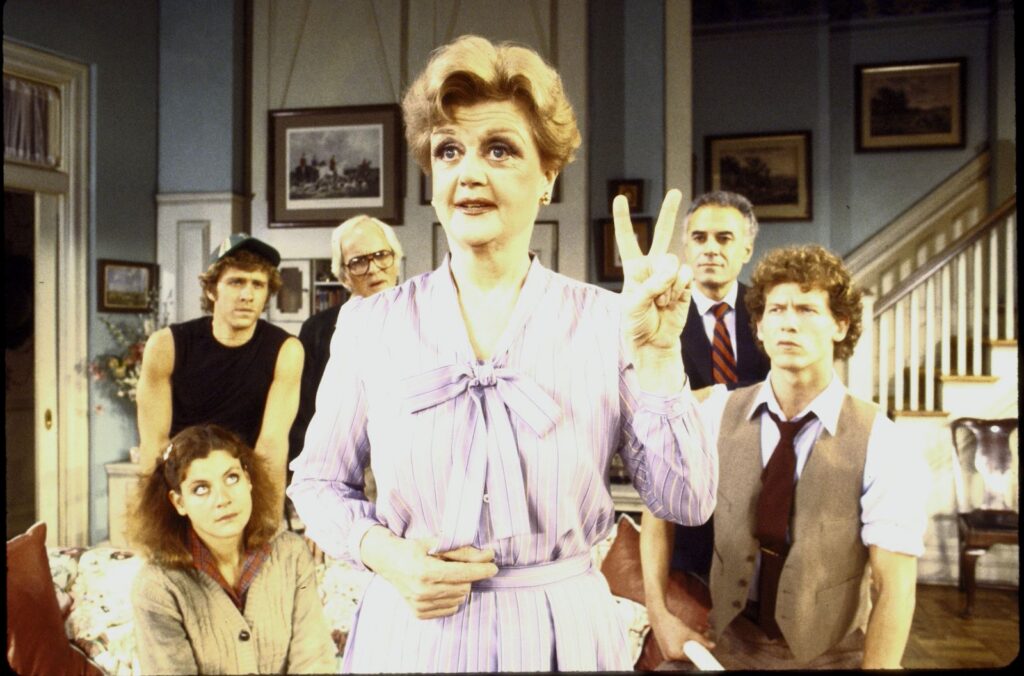
Among her notable credits were:
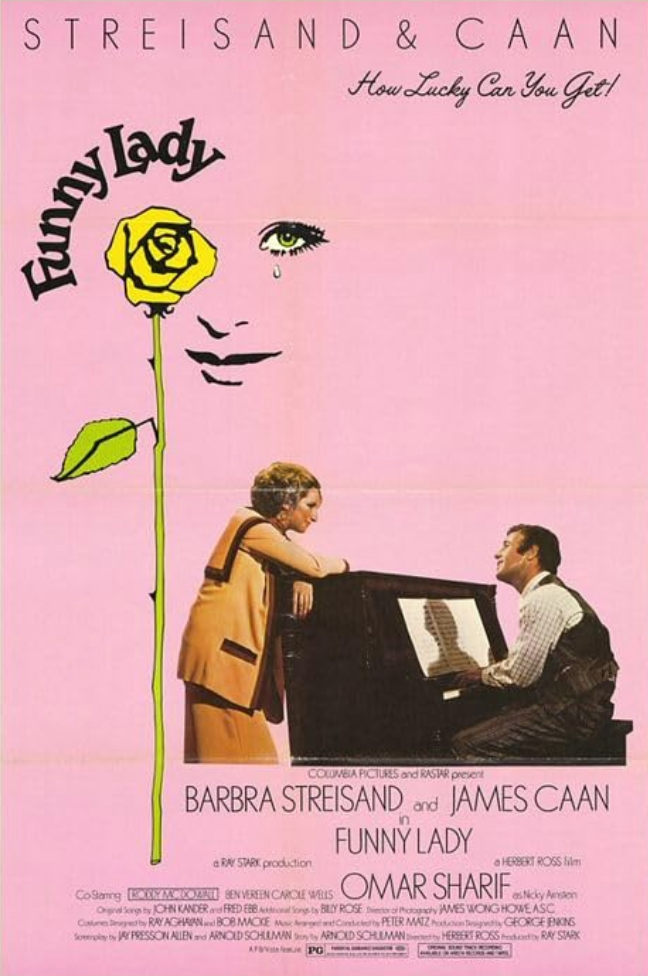
- Funny Lady, the sequel to Funny Girl, a period ode to Barbra Streisand’s talents
- The acclaimed drama series, Family, that refined American television
- The film adaptation of her own novel, Just Tell Me What You Want, starring Ali MacGraw and Allen King
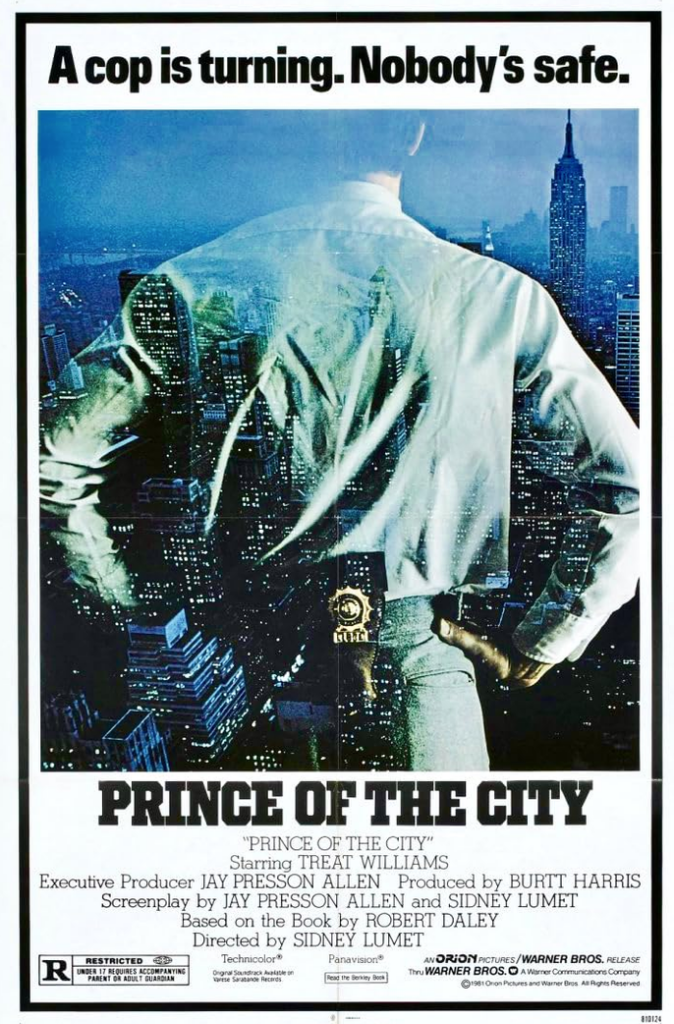
- Prince of the City, directed by Sidney Lumet, which earned Allen her second Academy Award nomination that landed actor Treat Williams on the Hollywood map
- Deathtrap, a Broadway-to-film hit starring Michael Caine and Christopher Reeve
- An uncredited rewrite of The Verdict, enhancing David Mamet’s screenplay
- Broadway adaptations of A Little Family Business and La Cage Aux Folles
- The television series Hothouse
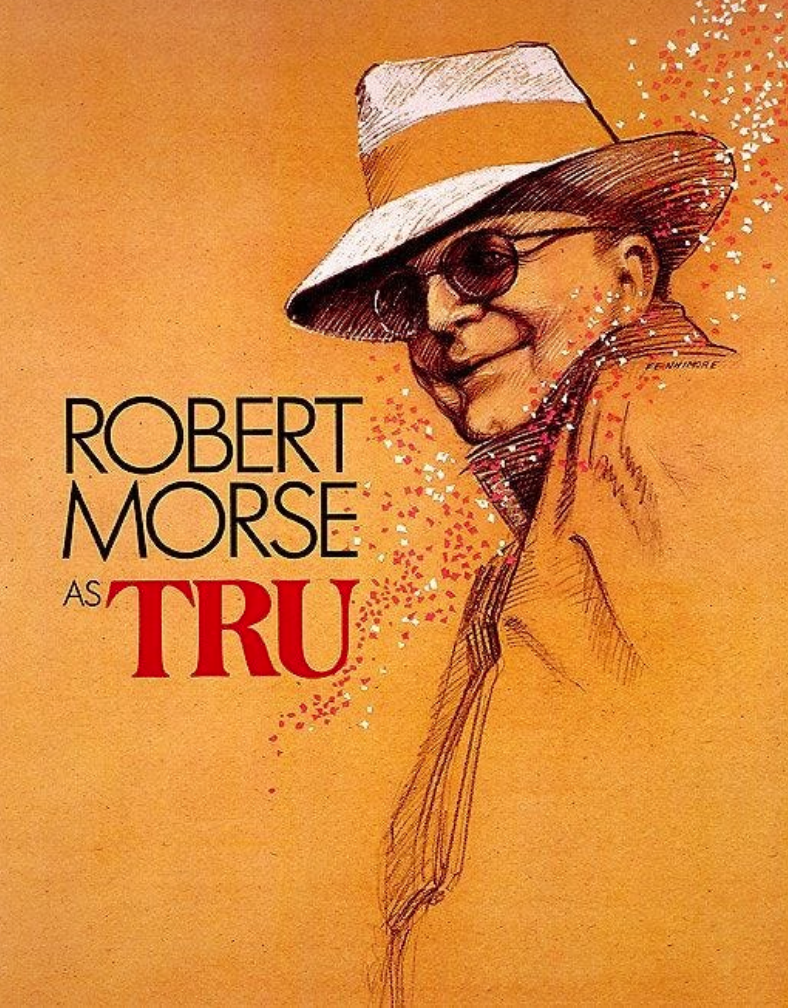
- Tru, her celebrated Broadway play about literary icon Truman Capote, which premiered in 1991
Her collaborations with acclaimed filmmaker Sidney Lumet became particularly fruitful, blending Allen’s psychological insight with Lumet’s gift for morally complex storytelling.
Protecting The Soul Of The Story
Allen believed adaptation required restraint rather than reinvention. In a 1972 interview with The New York Times, she succinctly explained her philosophy: “Don’t muck around with the essence.”
Those six words became something of a masterclass for generations of screenwriters.
Rather than imposing her own ego on celebrated novels or plays, Allen focused on identifying what made the original works emotionally resonant before translating them into a new artistic language.
It’s an approach that feels especially relevant today, when adaptations dominate contemporary film and television.
Allen understood that audiences weren’t looking for wholesale reinvention; they wanted stories that honored what they loved while embracing the possibilities of a different medium.
A Quiet Giant Of American Entertainment
Unlike many Hollywood figures, Jay Presson Allen rarely sought the spotlight.
Instead, she allowed her work to speak for itself.
Across novels, Broadway productions, feature films, and television, she consistently demonstrated that intelligent writing could also be commercially successful.
Her scripts elevated characters rather than overshadowing them. She trusted audiences to appreciate nuance, complexity, and emotional honesty.
In doing so, she quietly helped shape modern screenwriting while mentoring countless writers simply through the example of her work.
A Texas Legacy Worth Celebrating
Jay Presson Allen passed away in 2006, in New York City at the age of 84. Today, her legacy lives on every time audiences watch Cabaret, rediscover The Prime of Miss Jean Brodie, revisit Prince of the City, or celebrate the enduring power of theatrical storytelling.
For Texans, Allen represents another remarkable example of the state’s often-overlooked contribution to American arts and culture. Her story reminds us that creativity born in Texas has long influenced the world’s greatest stages and screens; not always from center stage, but often from behind the scenes, where the words themselves become the true stars.
Jay Presson Allen understood that great stories are timeless. More importantly, she knew that the highest calling of an adapter was not to improve a masterpiece, but to preserve its soul while inviting a new audience to experience its magic.
That philosophy and her extraordinary body of work continue to inspire writers, filmmakers, playwrights, and storytellers around the world, securing her place among the most accomplished creative voices ever to emerge from the Lone Star State.
Here Are 10 Reasons Jay Presson Allen Remains One of Texas’ Greatest Storytelling Legends
- The San Angelo native transformed novels into cinematic masterpieces, helped shape Broadway classics, and quietly became one of Hollywood’s most influential writers.
- She left Texas with big dreams. Born in San Angelo in 1922, Jay Presson Allen ventured to New York at just 18 years old, hoping to become an actress. While performing wasn’t ultimately her calling, the experience led her to discover the talent that would define her life: writing.
- She reinvented herself without fear. Allen didn’t view changing careers as failure; she viewed it as growth. After acting left her unfulfilled, she embraced writing as both a creative outlet and a path toward financial independence, proving that reinvention can be life’s greatest success story.
- She mastered every medium. Few writers have excelled across as many formats as Allen. She wrote bestselling novels, Broadway plays, feature-film screenplays, television dramas, and biographical theater, becoming one of the rare storytellers equally at home on stage, screen, and page.
- She helped bring The Prime of Miss Jean Brodie to life. Allen’s acclaimed adaptation of Muriel Spark’s novel became a theatrical sensation before inspiring the celebrated film that earned Maggie Smith her first Academy Award. Her screenplay demonstrated her remarkable ability to preserve a story’s emotional core while making it flourish in a new medium.
- She earned an Academy Award nomination for Cabaret. Tasked with adapting one of Broadway’s biggest hits, Allen returned to Christopher Isherwood’s original novel to build a richer cinematic story. Although creative disagreements with director Bob Fosse led her to leave the project before completion, she retained screenplay credit and received an Oscar nomination for her work.
- She collaborated with Hollywood’s finest. Allen worked alongside many of the twentieth century’s most celebrated artists, including Bob Fosse, Sidney Lumet, Maggie Smith, Julie Harris, David Mamet, Barbra Streisand, and Truman Capote. Her résumé reads like a who’s who of American entertainment.
- She earned a second Oscar nomination. Her adaptation of Robert Daley’s Prince of the City, directed by Sidney Lumet, garnered Allen a second Academy Award nomination and cemented her reputation as one of Hollywood’s premier literary adapters.
- She quietly improved classic films. Some of Allen’s finest work went largely unseen by audiences. She performed uncredited script revisions on Sidney Lumet’s acclaimed courtroom drama The Verdict, helping strengthen what would become one of the era’s finest legal films. She also had a simple philosophy that still guides writers today. Allen famously advised aspiring adapters not to “muck around with the essence” of the original work. That concise philosophy continues to influence screenwriters adapting beloved books for today’s audiences.
- She proved Texas produces world-class creative talent. From a young woman growing up in San Angelo to an Oscar-nominated writer whose work shaped Broadway and Hollywood, Jay Presson Allen exemplifies the creative ambition, resilience, and storytelling excellence that continue to define Texas artists on the world stage.