 Lance Avery Morgan
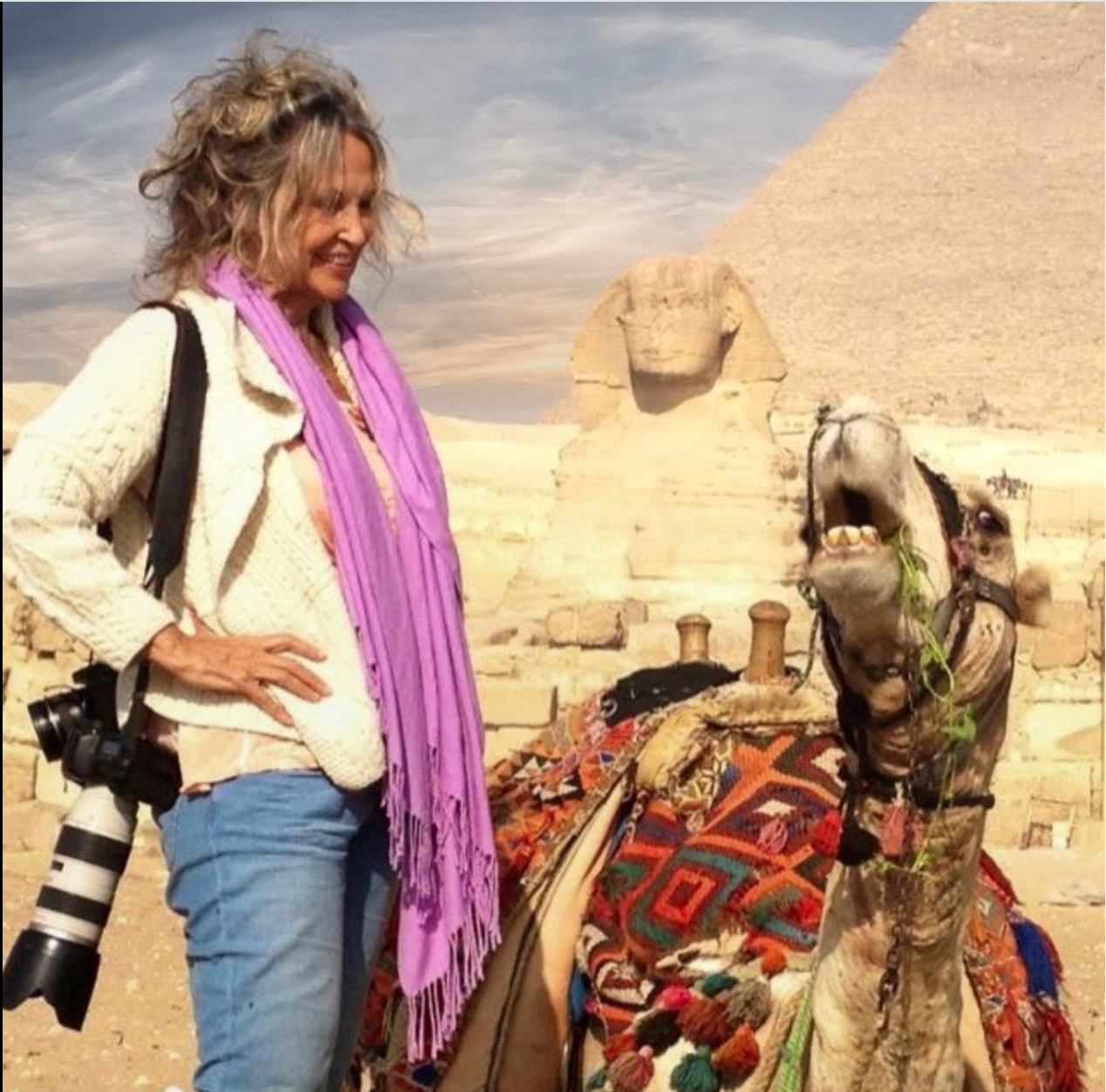
Royalty, Presidents, Hollywood Icons, Cowboys, And Everyday Texans Have All Stepped In Front Of Her Lens. Here’s What The Corpus Christi Native-Turned-Austinite Hawn Sees Beyond The Photograph
Photography by Gray Hawn
For more than 45 years, Master Photographer Gray Hawn has traveled a remarkable road: from the Texas coast to royal palaces, presidential ranches, Hollywood studios, Mexican villages, Western ranches, and some of the world’s most remote cultural landscapes. Her camera has photographed presidents, more than 90 U.S. senators, diplomats, celebrities and royalty, but her most enduring subject may be something less tangible: the human spirit. Her decades-long pal, our photography aficionado, Lance Avery Morgan, again caught up with the Lady Lenser to learn more about her creative journey.
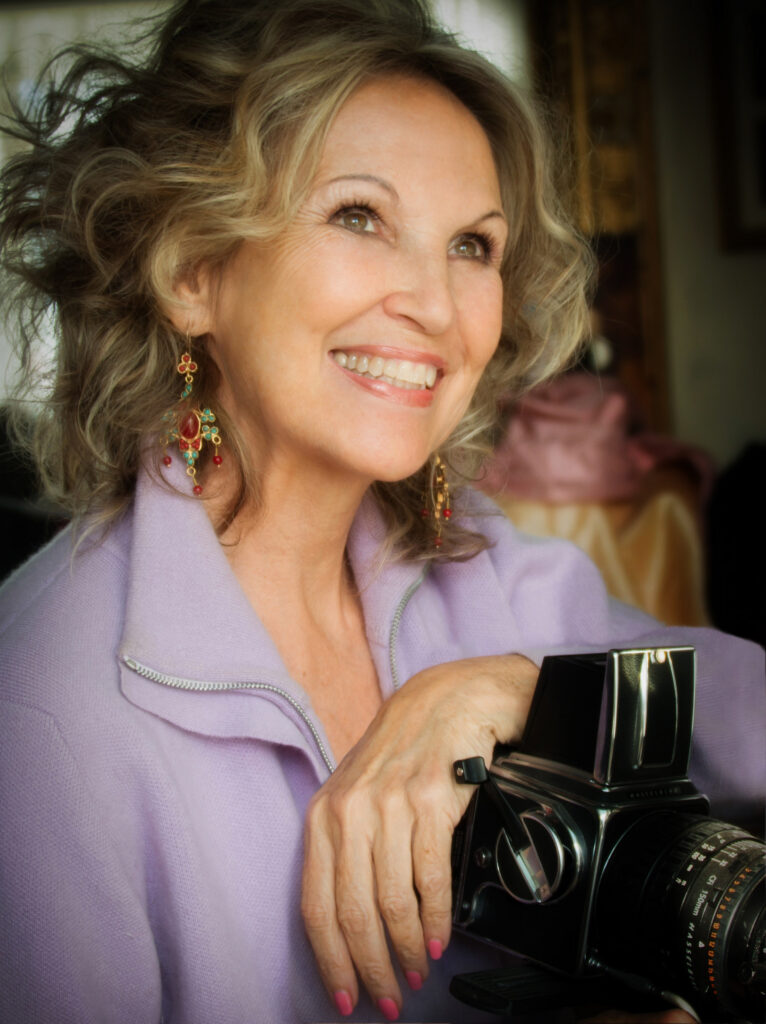
“I have always been looking for the light and the soul within that person,” says Gray Hawn. “The eye may see the photograph, but the heart has to feel it.” That philosophy began long before the cameras, international assignments, and extraordinary access. It began on the Texas coast where Hawn grew up near the water with an adventurous curiosity that seemed almost impossible to contain.
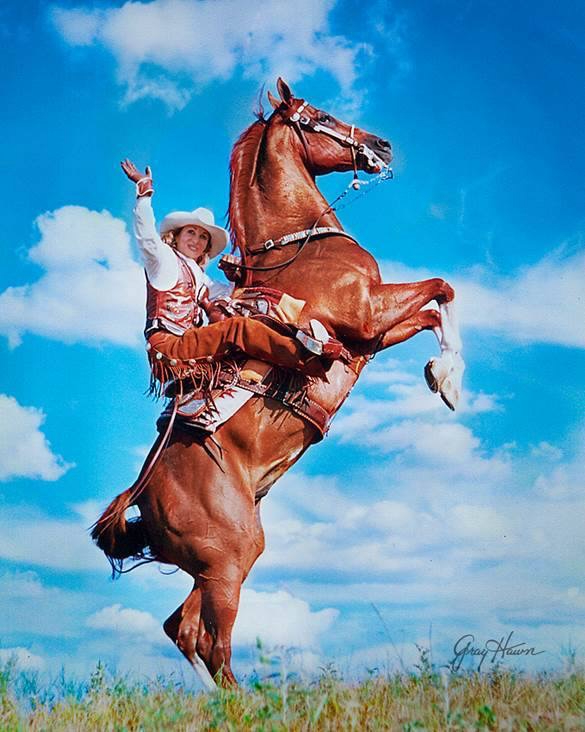
“Growing up in Corpus Christi was perfect for a creative young girl with an adventurous soul,” she recalls. Her happiest childhood memories included fishing from the pier, sailing after school, riding Appaloosa horses, painting, and simply exploring. “I was always much more interested in exploring the world around me than sitting in a classroom.”
Her parents nurtured two sides of that personality. Her father, an oil-and-gas wildcatter, introduced her to deep-sea fishing, hunting, and the unpredictable world of the oil fields. Her mother brought music and art into the family, playing piano and encouraging her daughter’s love of ballet. “Together, they gave me this wonderful combination of adventure and creativity that became such an important part of who I am,” Hawn says.
That creative education expanded almost organically. A portrait artist who lived behind her family’s house let young Hawn watch him paint. Eventually, he began teaching her. A high school art teacher and ballet teacher recognized talents she had not yet fully recognized herself.
Ballet, in particular, became far more than an artistic pursuit. Born prematurely at approximately two and a half pounds, Hawn was not expected to have an easy physical future. As a child, she wore braces up to her knees and was told she might never walk. Her ballet teacher nevertheless welcomed her into class wearing those braces… and patiently taught her first to walk, then to dance.
At about six and a half, Hawn remembers the moment her braces were finally removed in class. “I have always believed that experience helped shape both my resilience and my sensitivity to other people,” she says.
Those qualities would become central to her photography.
From Texas Girl To Global Storyteller
Gray Hawn’s camera has since taken her on what she describes as a “magic-carpet ride around the world.” Her subjects have included figures of enormous public stature, but she has never been interested in fame for fame’s sake.
Her work has also taken her deep into Indigenous communities and cultures, onto ranches, into the Maya world, through Mexico and across landscapes far removed from the polished environments associated with celebrity portraiture.
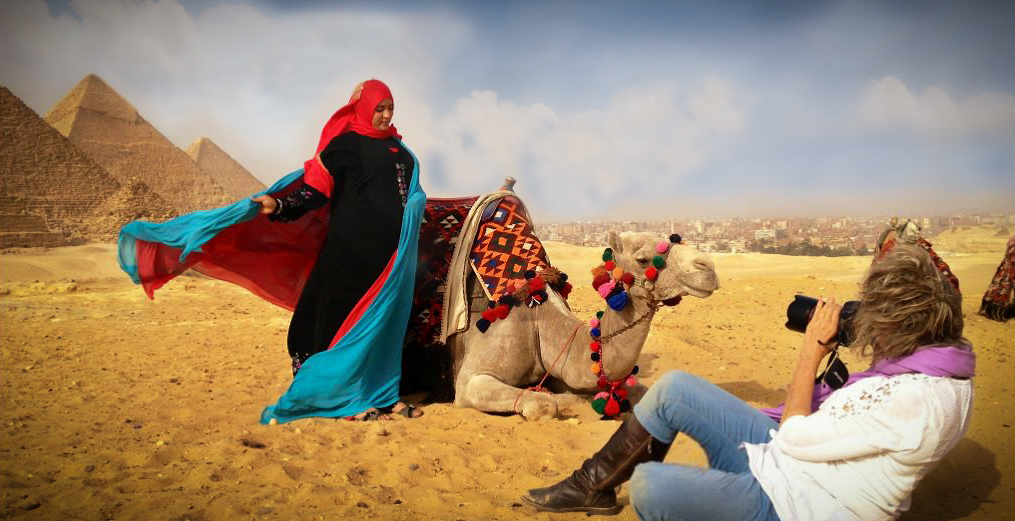
For 12 summers, she photographed families in Nantucket, creating her acclaimed “Portraits by the Sea.” Elsewhere, she rode a camel for a week through the Sinai with a Bedouin tribe, slept beneath the stars on the journey to Saint Catherine’s, and experienced an extraordinary episode in the Maya world after a serious accident. “These experiences changed me,” she says. “They taught me that beauty has very little to do with status or perfection.”
That distinction, between appearance and essence, may be the key to understanding Hawn’s work.
Farrah, Grace And The Art Of Seeing Beyond The Face
Among the people Hawn has photographed, few stories are more personal than her friendship with Farrah Fawcett. “Farrah was much more than an iconic face to me. She was my friend,” Hawn says.
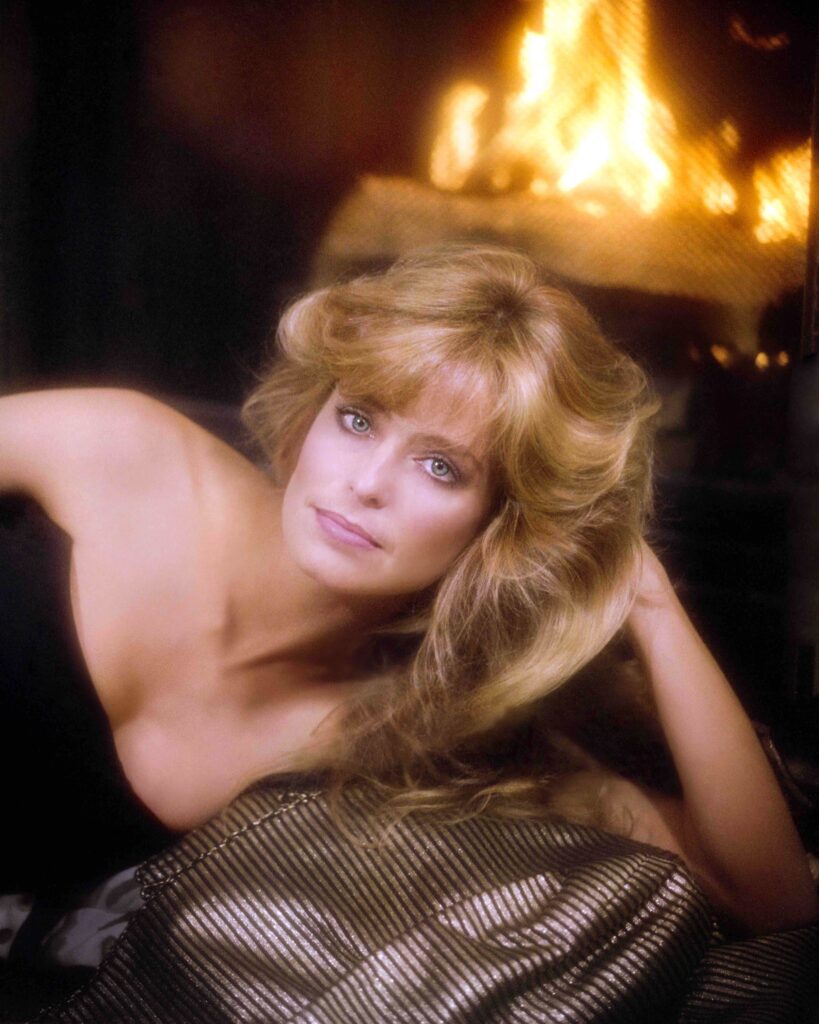
The two shared classes when they were young and later attended the University of Texas. Their friendship continued after Fawcett became an international celebrity. Hawn also grew close to Fawcett’s mother, Pauline, and saw a side of the actress far beyond her public image.
Fawcett’s identity as an artist mattered deeply to Hawn. She remembers attending Fawcett’s first Los Angeles art show and seeing the nervousness behind the celebrity façade. Fawcett had invited her personally: “You have to come.”
For Gray Hawn, friendship changed the photograph. “I wasn’t simply photographing a beautiful woman or a celebrity. I knew the person behind that extraordinary face,” she says. Her philosophy is simple but profound: “True beauty comes from something deeper than appearance. It comes from confidence, vulnerability, spirit, and light.”
Then there is Princess Grace of Monaco.
As a young photographer, Hawn dreamed of photographing Grace. People laughed at the idea. She was, after all, a young photographer from Texas with an ambitious dream.
But Hawn pursued it.
When she arrived in Monaco with her husband, she asked a hotel concierge for the palace telephone number. He refused. Undeterred, she approached a translator and concocted a Texas-connected strategy involving the vice mayor and Grace’s Houston friend, Lynn Wyatt. The strategy worked.
Eventually, Hawn found herself on the telephone with Princess Grace’s personal secretary, Paul. After a nine-month wait, the dream became reality.
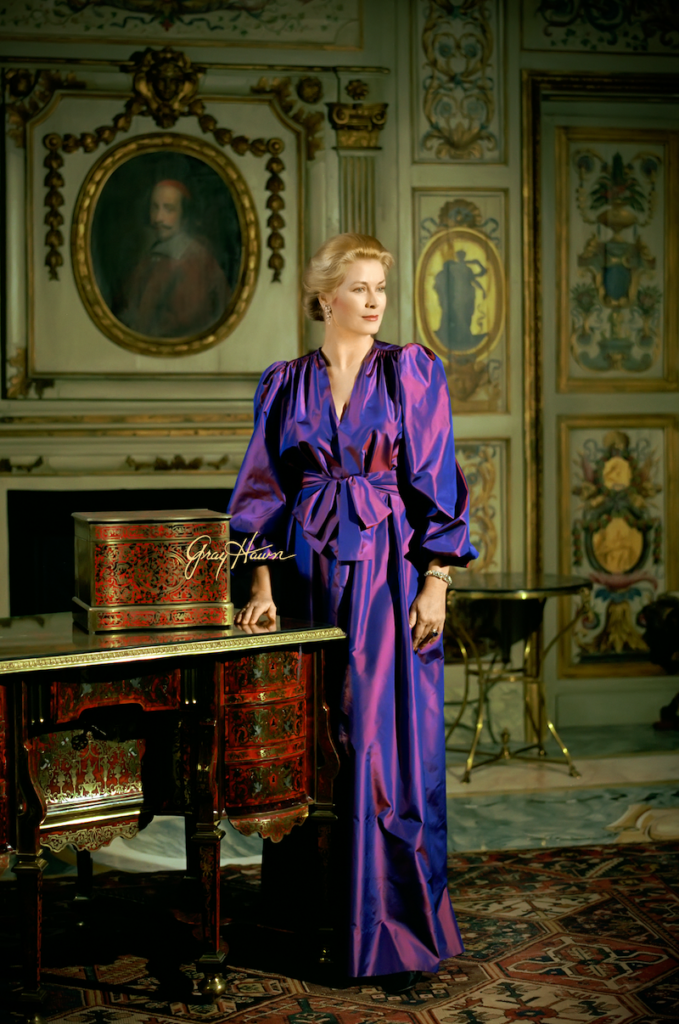
When Hawn finally met Grace, the photographer was struck not only by her beauty but by the atmosphere surrounding her. The private suite was serene, with white furnishings and Grace’s Academy Awards nearby. The two talked before the portrait session. Then Grace surprised her.
“Gray, while you’re here, would you also photograph Prince Rainier and me for a government stamp?” Grace asked.
So, of course, Hawn did.
During the session, however, she sensed something beneath the regal exterior. “I also noticed a sadness in her,” Hawn recalls. “It was something I sensed beneath all of that beauty and grace, and it stayed with me.”
Hawn’s portrait of Grace would later come to be regarded as her last portrait before her tragic death in 1982. Yet Hawn says she had no idea of its future significance when she pressed the shutter.
“I was just a young photographer from Texas who dreamed of photographing a princess,” she says. “And one day, I did.”
Lady Bird Johnson: Beyond The Official Portrait
Hawn’s Texas story also includes an extraordinary relationship with Lady Bird Johnson.
“I adored Lady Bird Johnson,” Gray Hawn says, remembering the former First Lady as “an extraordinarily intelligent woman who was also beautiful, kind and deeply caring.” Their relationship extended well beyond formal photography. Hawn recalls time at the LBJ Ranch, President Johnson driving his Lincoln Continental at remarkable speeds, and Lady Bird occasionally asking her to help decorate or create something.
One especially memorable adventure took Hawn to the Cayman Islands with Lady Bird, Liz Carpenter, Sarah Weddington, and other remarkable women. After Hawn’s suitcase was lost, she found herself diving for conch shells from a boat while Lady Bird swam nearby… with Secret Service agents in the water as well.
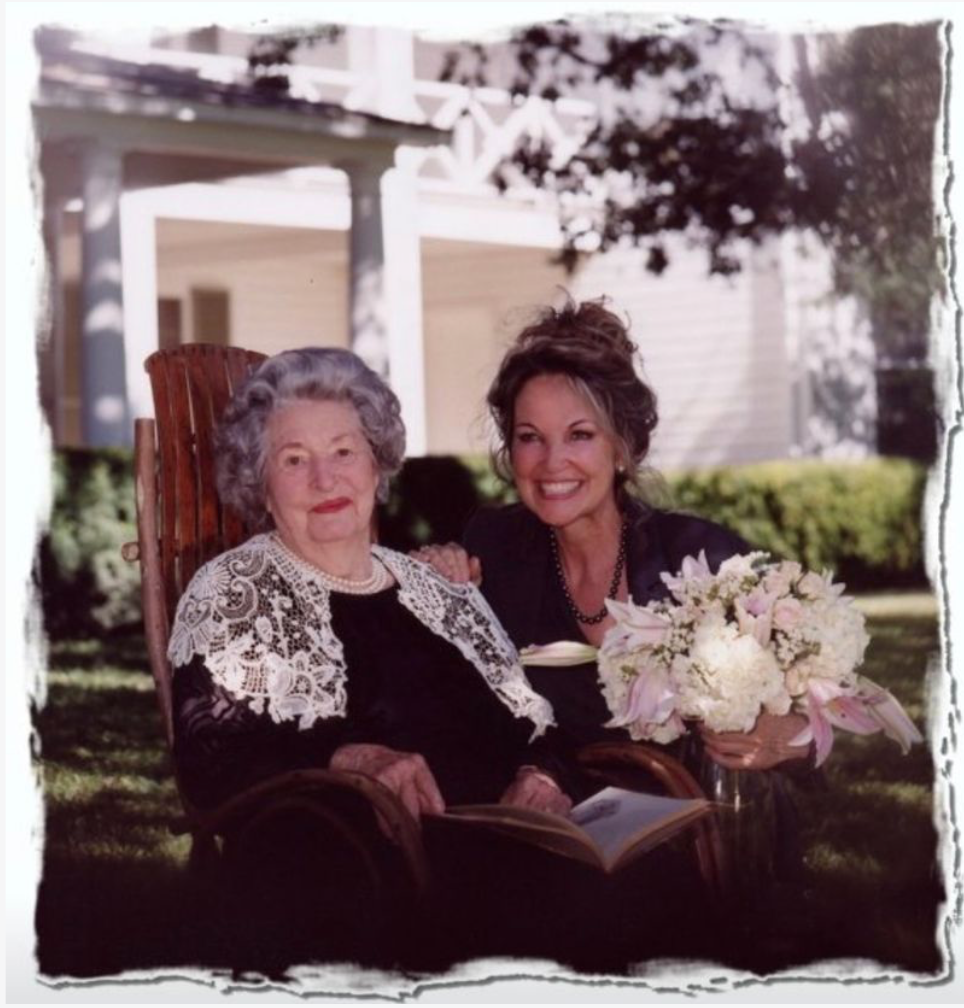
Another memorable photograph placed Lady Bird among the Texas bluebonnets and wildflowers she championed. Even when Secret Service personnel inadvertently stomped down some of the flowers Hawn had selected for the portrait, the photographer adapted.
But perhaps the most poignant image came years later, for Lady Bird’s 90th birthday. By then, Lady Bird had suffered a stroke, and age had changed her appearance.
But Hawn saw something else. “She was still Lady Bird,” Hawn says. “Her beautiful soul, her dignity, her intelligence and her inner beauty were all still there.”
It is an observation that could almost serve as Hawn’s artistic manifesto: the face changes; the essence remains.
Cowboy Heaven & The Beauty Of The American West
Although Hawn has photographed royalty and political leaders, she has never been confined by conventional ideas of importance.
Her fascination with the American West grew from her work photographing clients who owned ranches. The more time she spent there, the more she wanted to photograph the ranches themselves—the cattle drives, cowboys, horses, and demanding work that sustained the lifestyle.
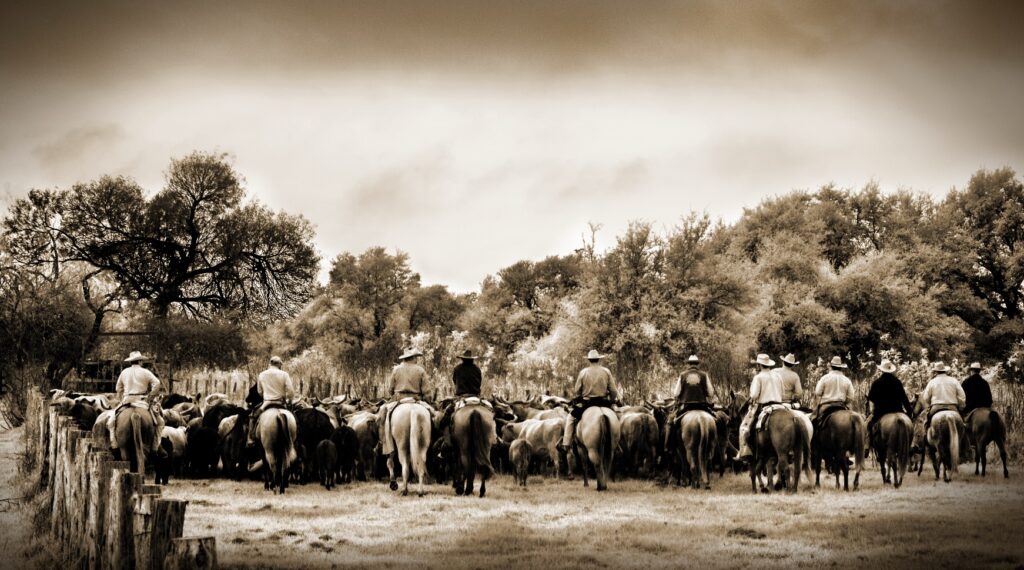
“I would pull out my cowboy boots, gather all my cameras, and disappear into their world,” she says. What she discovered was not simply a romantic Western tableau, but a culture defined by strength, endurance, independence and connection to the land.
“Nothing felt staged,” Hawn recalls. “It was like a rodeo every second.”
Her “Cowboy Heaven” series became a tribute not only to the romance of the West but to “the grit, character and hard work that make that life possible.”
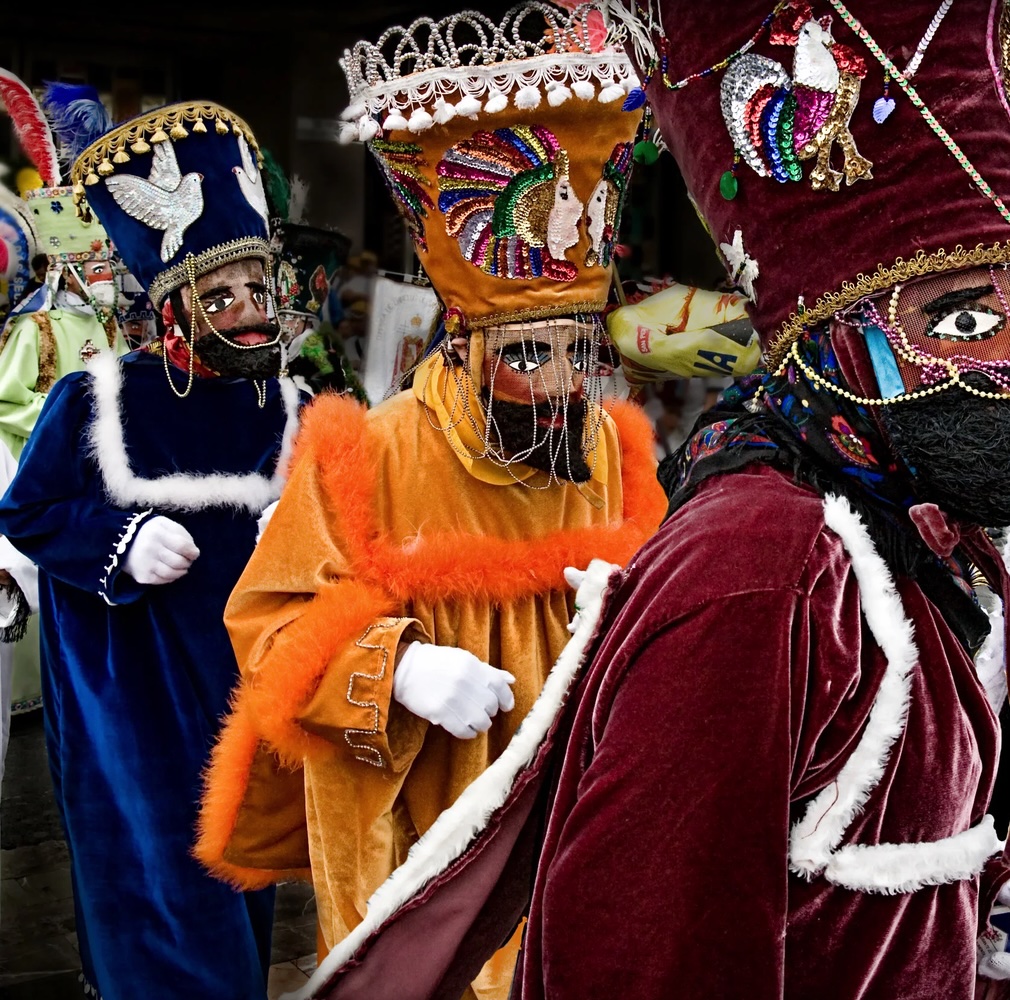
Mexico’s Color, Memory and Soul
Mexico has been another enduring source of inspiration.
Hawn traveled throughout the country from an early age, studied Spanish at Monterrey Tech at 16, fished with her father in Mazatlán, and later spent summers photographing in San Miguel de Allende.
But her connection to Mexico is not simply visual. “Mexico taught me an important lesson about being a photographer,” she says. “I need to feel the memories, hopes and passions of a people.”
She describes Mexico as “passionate, colorful and framed by song,” with its architecture, churches, public art, traditions and celebrations providing an endless visual vocabulary.
For the 2010 Mexican Bicentennial celebration in Dallas, Hawn created 41 works with the Mexican consulate, celebrating the country’s history. The work was subsequently displayed in Austin.
Yet even after decades of returning to Mexico, she says there is always something new to discover.
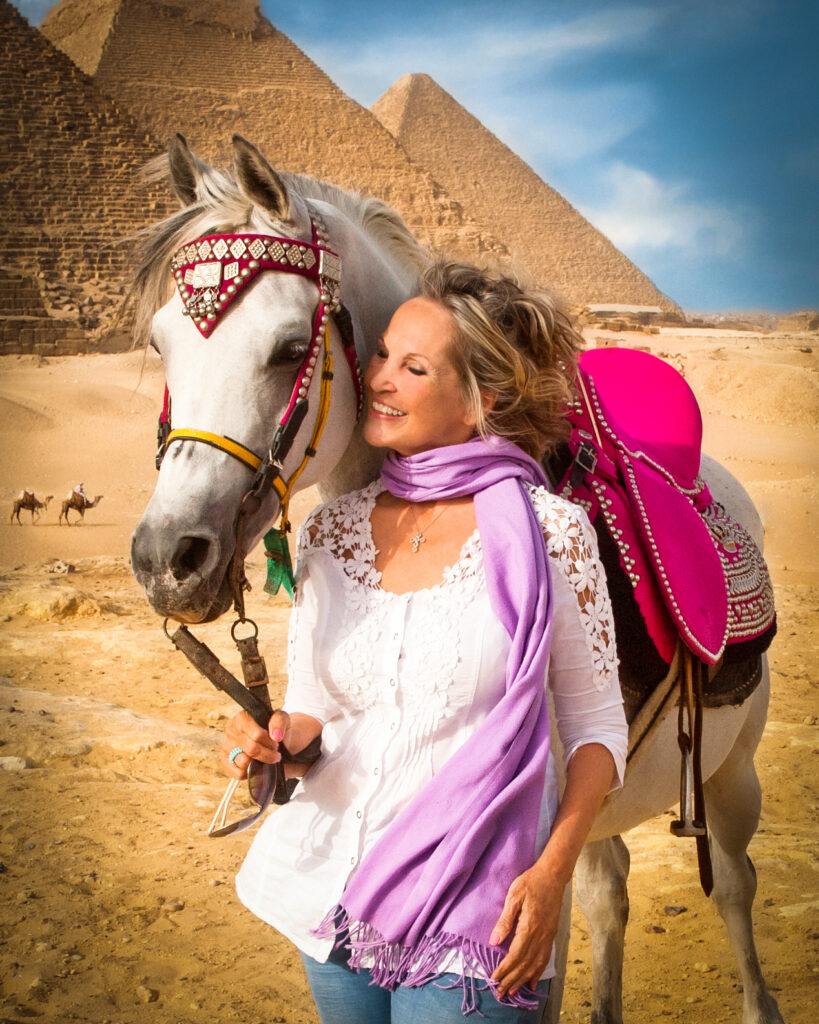
The Secret? Connection
Ask Gray Hawn how she photographs famous people differently, and the answer is revealing: she doesn’t. Whether the subject is a celebrity, political figure, rancher, child, or family member, her process begins with conversation.
“When I am photographing someone, whether that person is famous or not, I am usually sharing stories and, just as importantly, really listening to theirs,” she says. The goal is to make the camera disappear.
“Eventually there is a moment when the public face drops away, the person relaxes, and something real appears. That is the moment I am waiting for.”
Some clients have even told her afterward that she talked so much during a session that they wondered whether she had taken any photographs at all. Then they saw the results. “The camera is important, of course, but the connection comes first.”
Hawn has come to think of herself as a “timekeeper”…as someone entrusted with preserving a person at a particular moment in life.
The idea becomes particularly moving when she talks about the thank-you notes she has received years after creating portraits for families.
Those messages, she says, confirm she is doing what she is supposed to do.
A Life Measured In Moments
Hawn’s archive holds no shortage of extraordinary stories.
In the Maya world, after suffering a serious accident, she was carried to a pyramid, where she sat surrounded by people praying for her healing. A medicine woman emerged from the jungle and performed a ceremony using prayers, herbs, and sounds.
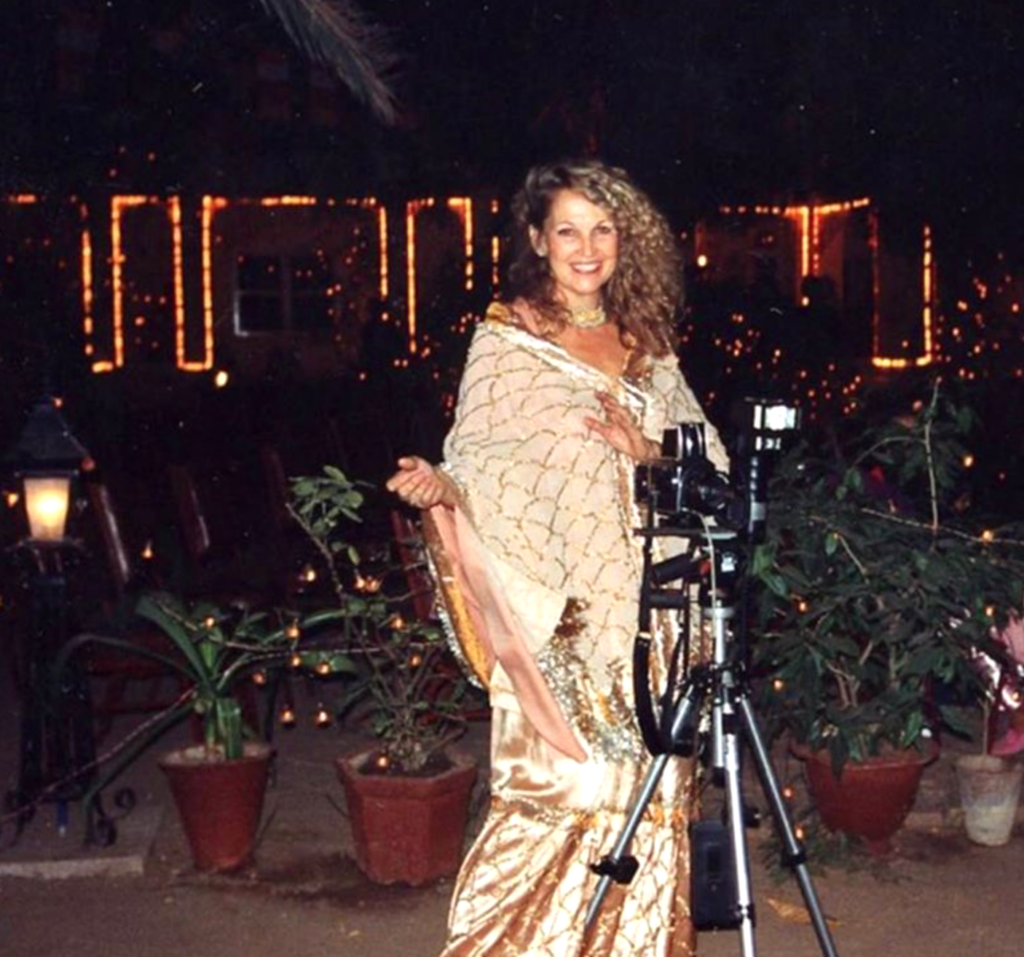
The experience changed her relationship with the community. She was subsequently trusted to photograph private ceremonies and water caves.
Elsewhere, she photographed Queen Mother Gayatri Devi in India after the royal had largely withdrawn from photographers. She has stood in the offices of presidents and prime ministers across several countries.
And on one Air India flight to Italy, an emergency landing left passengers stranded for more than nine hours at an airbase. Hawn, the only American aboard, began writing letters to her children because she feared she might not survive.
The plane eventually continued. “When we arrived, I kissed the ground,” she recalls. Yet some of Hawn’s most powerful memories are quieter. She remembers standing behind her camera, tears running down her face, while a client shared an extraordinary personal story. “I have tried to step into other people’s worlds rather than simply observe them from a distance,” she says.
That may be the defining characteristic of her work: participation rather than observation.
What Beauty Looks Like With Time
After decades behind the camera, Gray Hawn has developed a remarkably uncomplicated perspective on fame, aging, and beauty. “Fame is fleeting, but character stays with you,” she says.
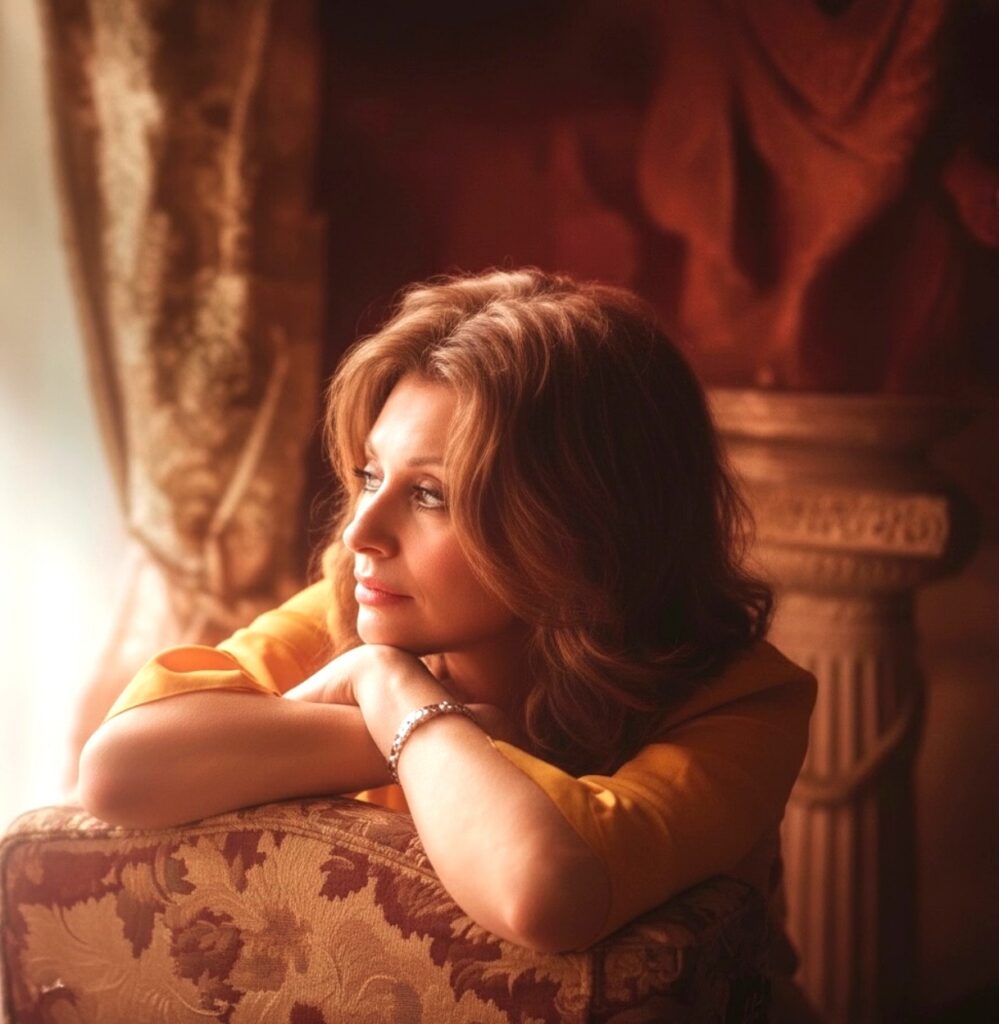
She is drawn to people with “big hearts,” and she believes aging can deepen, not diminish, beauty. “Beauty changes, but it does not disappear,” Hawn says. “In many ways, people become more interesting and wiser with time.”
That philosophy has informed a life that extends well beyond photography. While raising three children and pursuing her career, she chaired more than 30 Austin fundraisers and founded three nonprofit organizations for children. She worked with gifted and talented young people and children in East Austin, teaching them to create television programs and encouraging opportunities in the performing arts.
For 12 years, Kids TV Express gave her a way to help young people believe in their own possibilities. For Hawn, a meaningful life is ultimately measured not by visibility but by generosity.
“A meaningful life is not measured by how much attention you receive, but by how much you give back and what you leave to others.”
How Texas Gave Her Permission To Think Big
Perhaps it is fitting that Hawn’s artistic identity remains so deeply rooted in Texas.
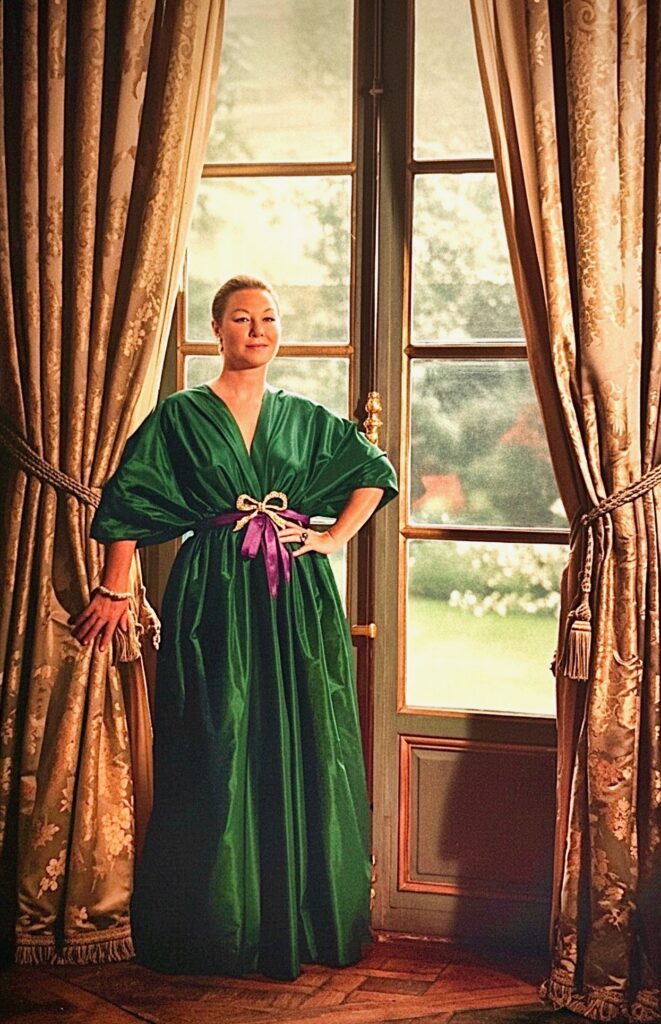
“Texas has it all: strength, resilience, freedom and independent spirits,” she says, pointing to the state’s deserts and canyons, coastlines, wildflowers, pine trees, swamps, ranches, horses and cowboys.
Texas has provided her with extraordinary subjects and extraordinary scenery. But she believes it gave her something even more important.
“Texas gave me permission to be bold myself.” And, she adds, “Texas taught me to look at beauty with a little bit of grit and to think big.” That might explain why a young girl from Corpus Christi could dream of photographing Princess Grace, and eventually find herself at the palace.
Film, Digital And The Art Of Seeing
Hawn has lived through a revolution in photography.
When she began, film and darkrooms demanded patience. Every frame mattered. Composition was deliberate. Light had to be understood before the shutter was pressed. Today, digital photography offers extraordinary speed and freedom. “It’s exciting, but I still believe film created something that can’t be duplicated,” she says.
Yet Hawn isn’t nostalgic for nostalgia’s sake. She has continued to evolve with the medium and embraces digital technology. For her, the tools are ultimately secondary. “As a Master Photographer, I still believe the most important thing is not the camera,” she says. “It is the photographer’s eye, the understanding of light, composition and timing, and most of all the ability to connect with the person or place in front of you.”
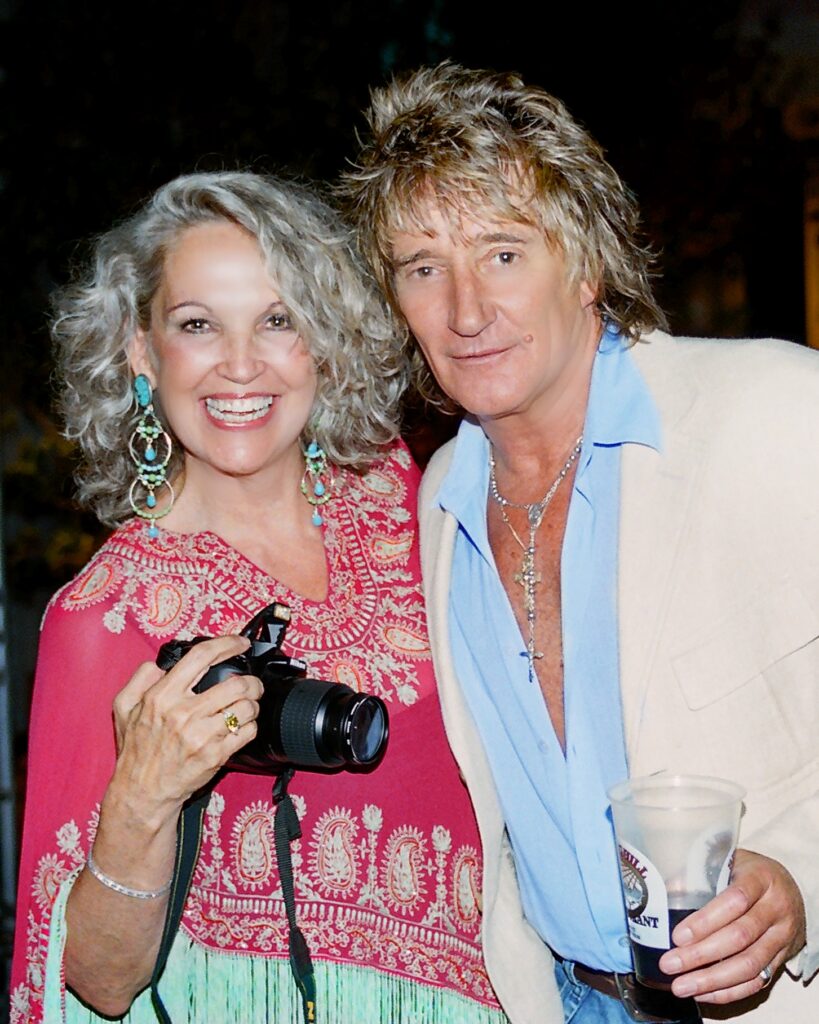
Technology will continue to change. Hawn intends to keep changing with it. But she hopes photographers never lose the patience and intention that made every film frame count.
“The heart of photography remains the same for me: finding the light, feeling the moment, and capturing something real that can live long after that moment is gone.” And perhaps that is the most fitting description of Gray Hawn’s extraordinary career.
She has spent a lifetime chasing light, from Corpus Christi to Monaco, from bluebonnet fields to royal palaces, from Western ranches to Mexico, from intimate family portraits to some of the world’s most influential figures.
But she has never really been photographing fame. She has been photographing humanity.
And after more than four decades, Gray Hawn is still looking for the moment when the pose disappears, the story emerges, and something real comes through.
10 Extraordinary Chapters In Gray Hawn’s Life Behind The Lens
- Growing Up On The Texas Coast. Corpus Christi, sailing, fishing, horses, and the creative freedom that shaped her adventurous spirit.
- Learning To Walk Through Ballet. How a determined ballet teacher helped transform a premature child’s physical challenges into resilience and artistic expression.
- Photographing Farrah Fawcett. The friendship that allowed Hawn to see beyond the Hollywood icon to the artist and woman underneath.
- Making A Dream At The Palace. How a young Texas photographer found her way to Princess Grace of Monaco.
- Capturing Lady Bird Johnson. From bluebonnet fields to the LBJ Ranch, Hawn photographed the former First Lady as both public figure and friend.
- Living The Cowboy Life. The inspiration behind Hawn’s “Cowboy Heaven” series and her fascination with the grit of the American West.
- Finding Mexico Through Her Camera. Decades of travel, portraiture, culture, color and connection south of the border.
- Becoming A Global Storyteller. Maya communities, Bedouin tribes, India, Africa, Italy and remarkable encounters around the world.
- Becoming A “Timekeeper”. Why Hawn believes the true purpose of portrait photography is preserving a person’s story and spirit.
Finding Beauty In The Passage Of Time. Hawn’s philosophy on aging, character, resilience, generosity and what remains after the photograph is taken.