

 Lance Avery Morgan
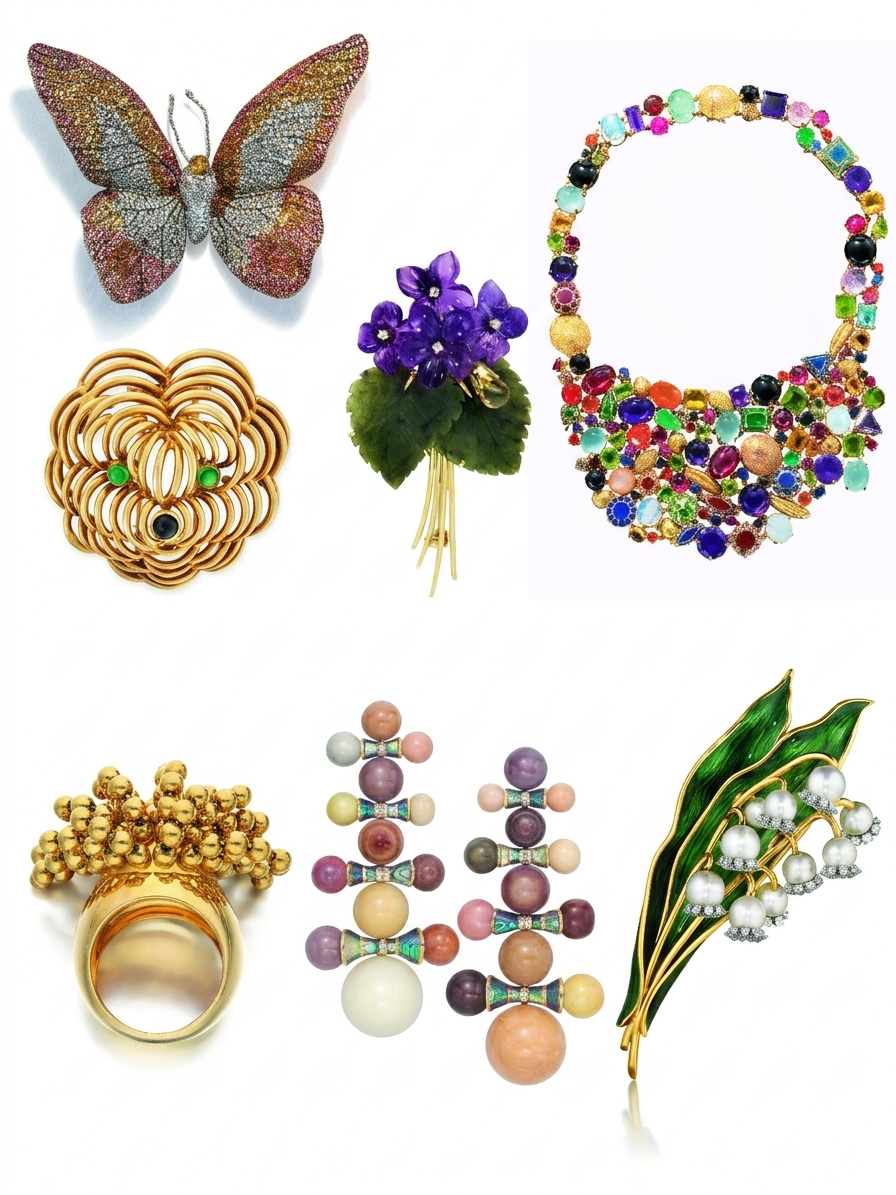
In Her New Rizzoli Book, The Jewelry Wardrobe, Ruth Peltason Explores How Memory, Family, And Personal Style Transform Jewelry Into A Record Of A Life
Jewelry has a way of holding time: a ring can recall a childhood journey, a watch can summon a beloved grandparent, and a pair of earrings can frame the woman someone has become. For Ruth Peltason, author of The Jewelry Wardrobe from Rizzoli USA, jewelry is far more than adornment; it’s memory, identity, and autobiography worn close to the skin. With an eye trained on exceptional design and a deep appreciation for sentiment, Peltason invites us to look beyond trends and price tags toward the pieces that truly become part of you, as she shares with our pop culture follower, Lance Avery Morgan.
Photography courtesy of Ruth Peltason, Rizzoli USA
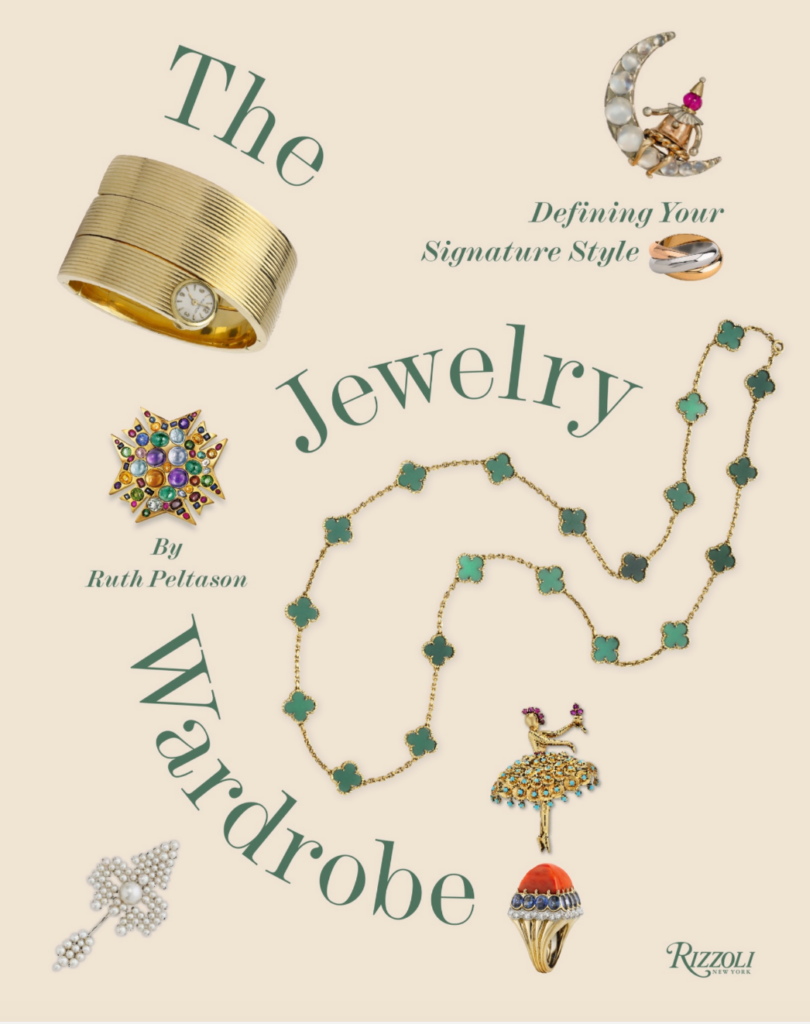
For author Ruth Peltason, jewelry is never merely an accessory. It is memory made visible; a record of family, friendship, travel, love, loss, and personal evolution.
In her book, Peltason explores the many ways jewelry becomes part of a woman’s identity. Drawing on her knowledge of celebrated designers, legendary collectors, and exceptional jewels, she makes a persuasive case for building a jewelry collection that feels personal rather than prescribed. Her philosophy is intimate and refreshingly unburdened by status. “I think of jewelry as autobiography,” Peltason says. “Mine tells you not only about me but about my family.”
That autobiography begins with a ring she selected with her father at Bulgari in Rome when she was about 12. She still wears it nearly every day. Other pieces connect her to family members who are no longer here: on the anniversary of her mother’s passing, she wears one of her mother’s jewels; when she thinks of her grandfather, she reaches for one of his watches or a pair of his cuff links.
“My own jewelry is a slightly dressed-down look,” Peltason explains. “I’m not comfortable wearing ‘statement’ pieces or jewelry that is more about itself than about me.” Rather than letting a jewel dominate, she prefers it to become part of a larger expression. “I far prefer to make an overall statement when I dress.”
Beyond The Trend Cycle
Peltason’s approach is especially relevant in an era when jewelry trends can rise and disappear at extraordinary speed. Although she pays attention to fashion, food, and jewelry, she has never been particularly interested in following trends for their own sake.
By her twenties, she says, she had discovered her own style. “I’m naturally an outlier, comfortable going my own way.”
For Peltason, signature style is not something an influencer, magazine, or algorithm can simply assign. It develops through curiosity, experimentation, and self-knowledge. “No one’s signature style happens by accident,” she says. “It doesn’t happen because of what an influencer or magazine editor tells you to wear.”
Instead, personal style is built over time. “It comes from trial and error to a degree, but more than anything it comes from looking, and from educating yourself about jewelry. It comes from knowing yourself.”
That perspective transforms jewelry from a shopping category into a form of visual literacy. The more a person learns about materials, design, craftsmanship, and history, the better equipped she becomes to recognize what feels right for her; not simply what is considered desirable at the moment.
The Trifecta Of Quality
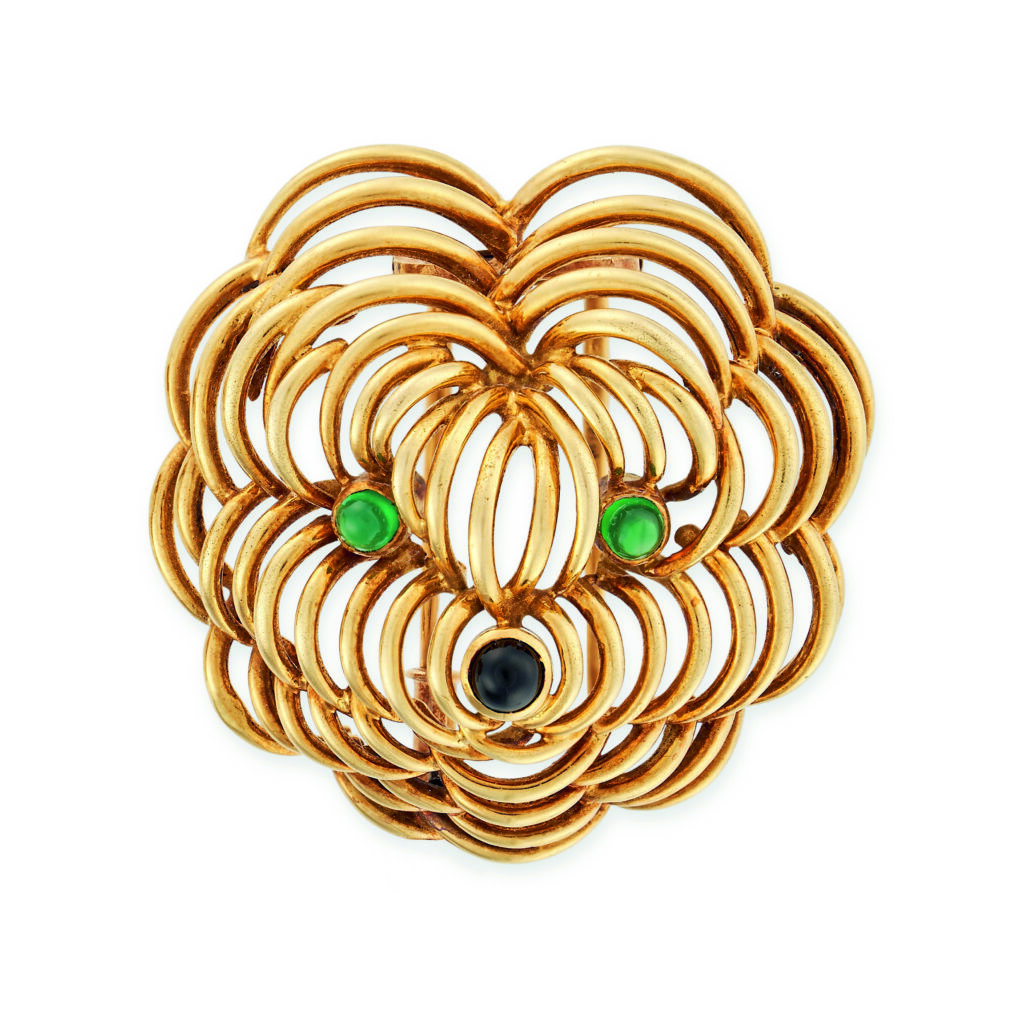
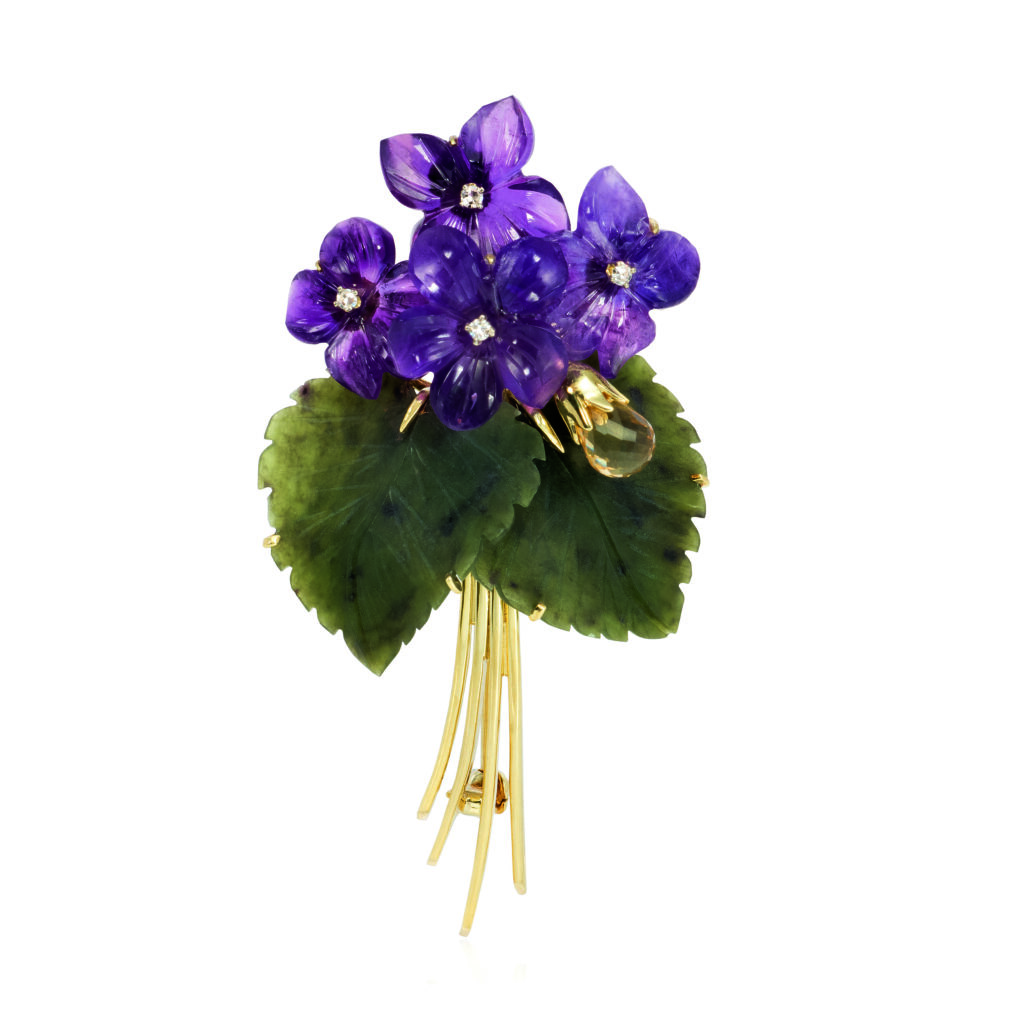
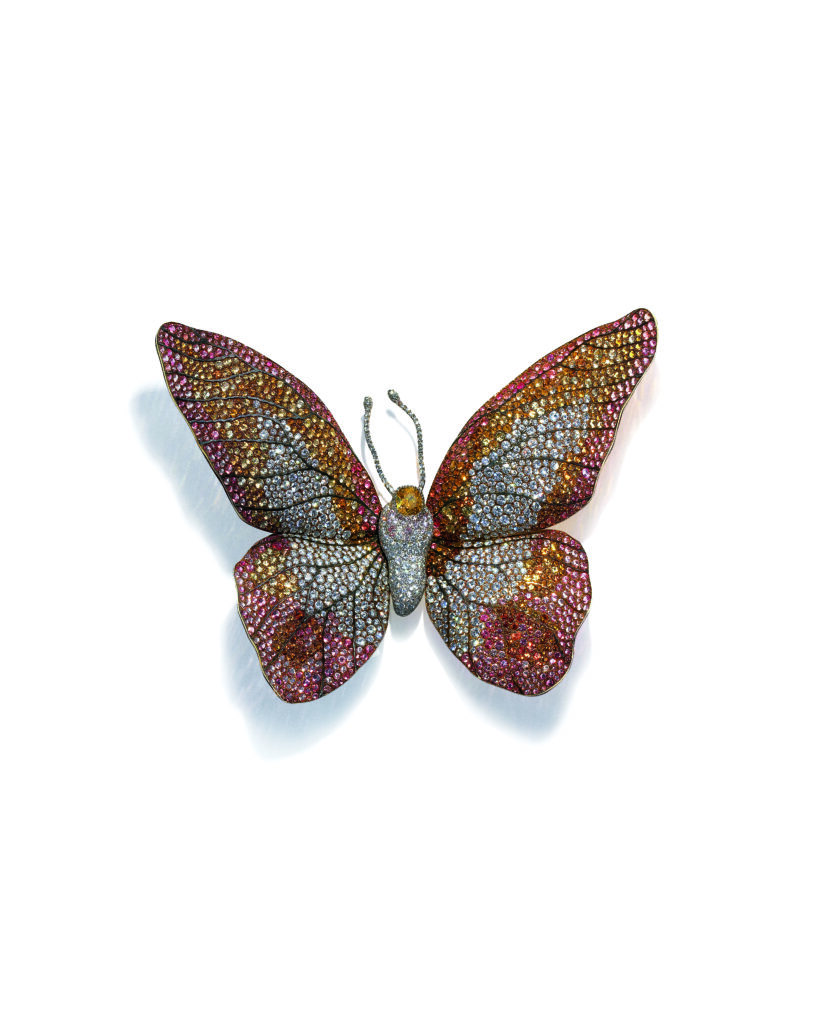
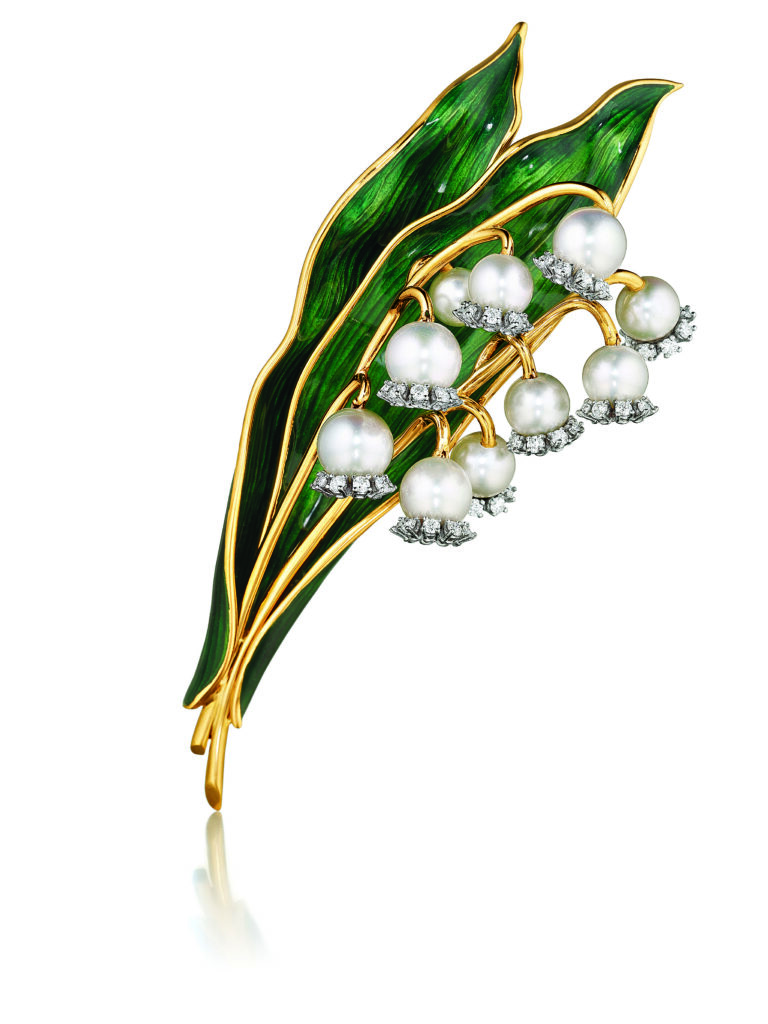
Peltason’s book encompasses an extraordinary range of designers, from Cartier and Tiffany to Verdura, Elsa Peretti, Hemmerle, and contemporary talents. Yet she cautions against assuming that a famous name or celebrated provenance is enough to make a jewel meaningful or exceptional. “Provenance is sort of like a weathervane: it might tell you which way the wind is blowing, but it doesn’t otherwise tell you about the weather,” she says.
A connection to a renowned collector can certainly matter. If a piece belonged to Bunny Mellon or Babe Paley, Peltason notes, that history may suggest high quality, since both women were known for acquiring exceptional jewels. On the secondary market, provenance can also influence price.
But the object itself must come first. “When you look at a piece of jewelry, when you consider its weight, its balance and sense of proportion, when you see the richness of a pigeon blood ruby or luster of a natural pearl, you know right away that what you are seeing is choice,” she explains.
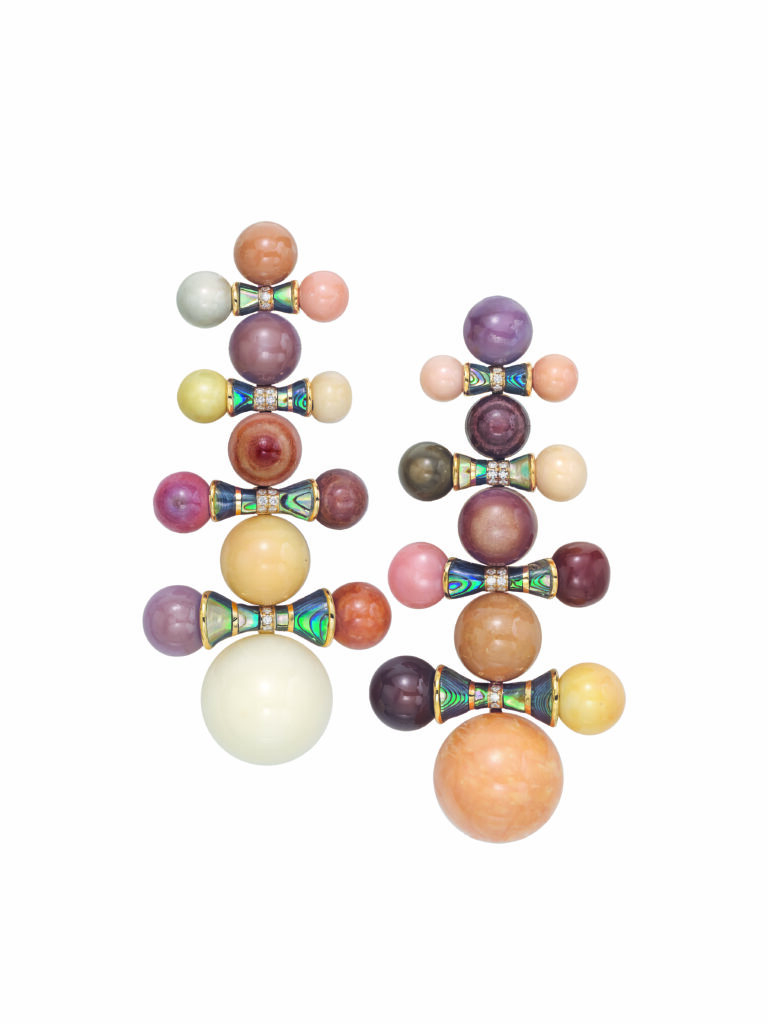
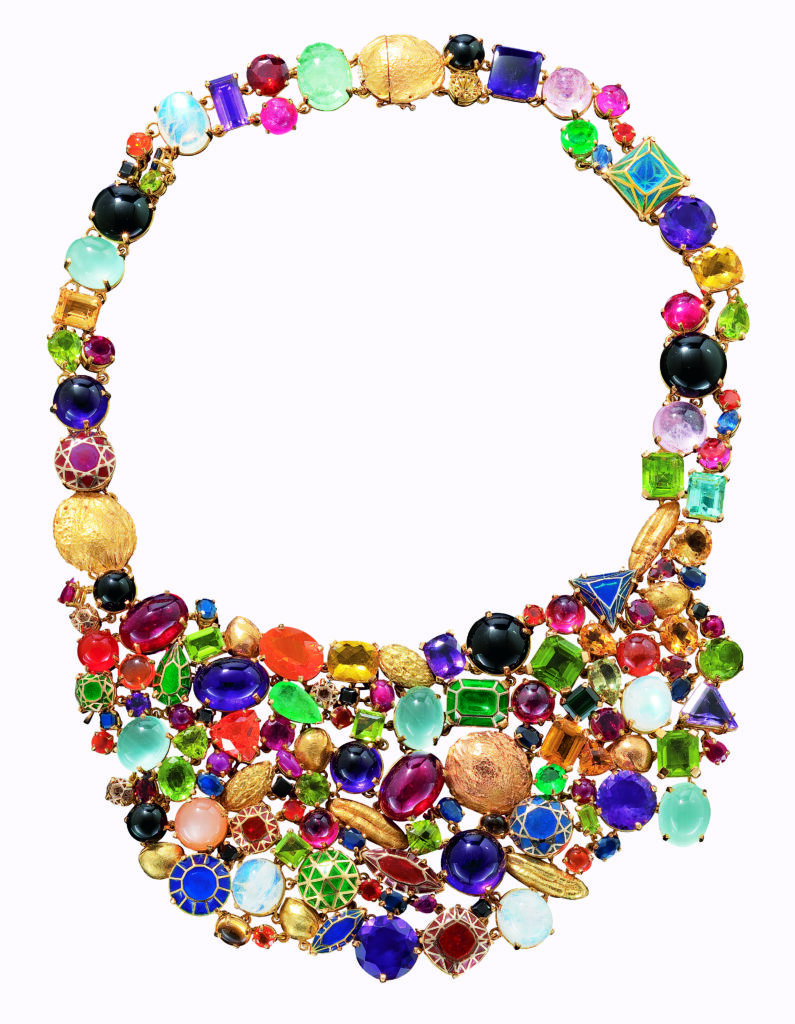
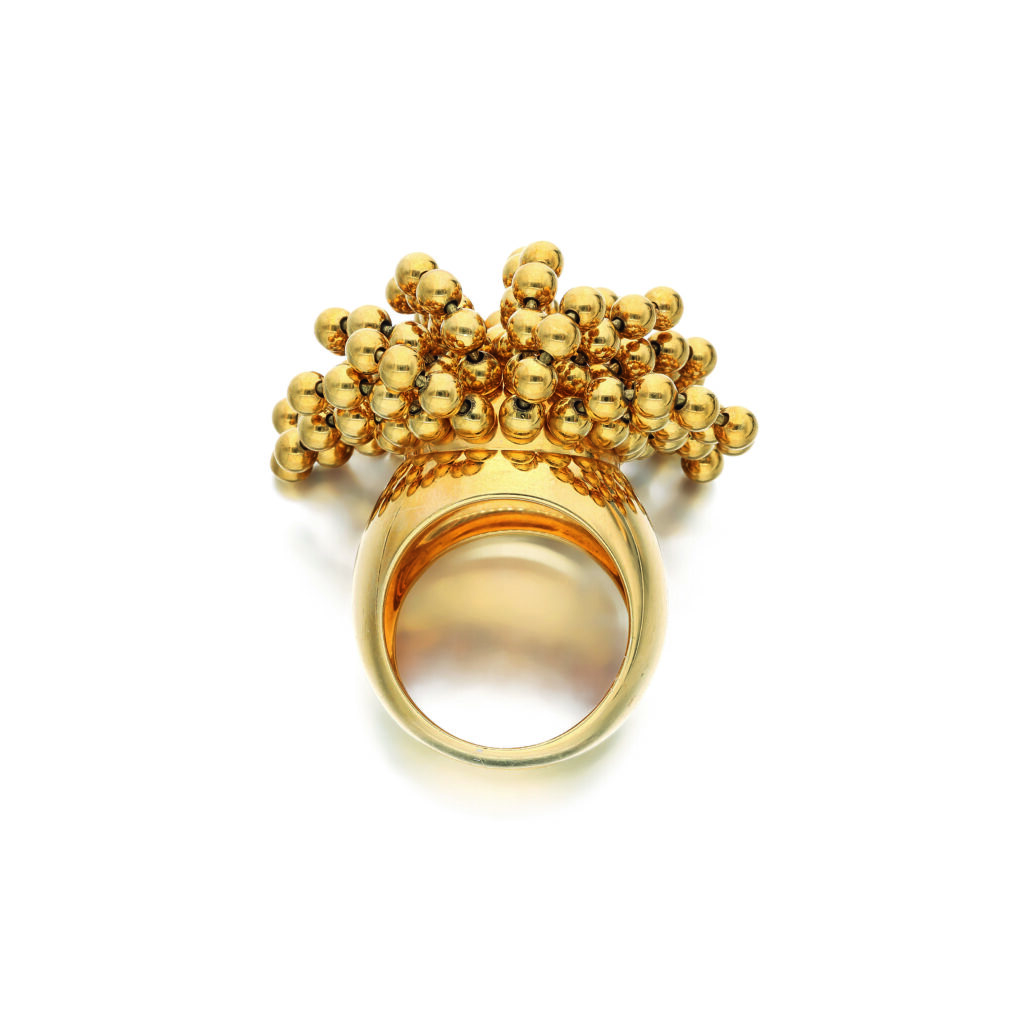
For those who are not specialists, Peltason offers a simple standard: “the trifecta of quality: good materials, good design, and good craftsmanship.”
It is a practical framework, but also an optimistic one. Beauty, quality, and rarity, she suggests, often communicate something on their own. “Happily, beauty and quality or rarity sort of announce themselves, even to those of us who aren’t experts.”
When Sentiment Changes Everything
The emotional value of jewelry can be impossible to quantify, and, in Peltason’s view, that is precisely the point.
A grandmother’s brooch, a first important watch, or a necklace purchased during a memorable trip may not be the most valuable object in a jewelry box. Yet such pieces often become the ones worn most often and remembered most vividly. “Sentiment is what my Southern grandmother would call that ‘somethin’ somethin’,’” Peltason shares. “It can make any piece of jewelry special.”
Ask a woman why she treasures a particular jewel, she adds, and the first answer is unlikely to be its price. For Peltason, sentimental jewelry functions much like the mysterious “Rosebud” in Citizen Kane: a seemingly simple object that carries an entire emotional world.
“Citizen Kane had his ‘rosebud,’ and so do women when it comes to some of their jewelry,” she says.
Editing A Jewelry Box
Peltason is careful not to impose a universal system on someone else’s collection. She has tried telling people what to keep in the past, she admits, and “it backfired.”
Instead, she would help someone take a more analytical look at the pieces in question, considering both meaning and value, including potential resale value. She would also ask whether certain jewels are intended to be passed down to a daughter, niece, or another family member. The goal is not to purge for the sake of minimalism. It is to understand what a collection contains, what it represents, and how it might continue.
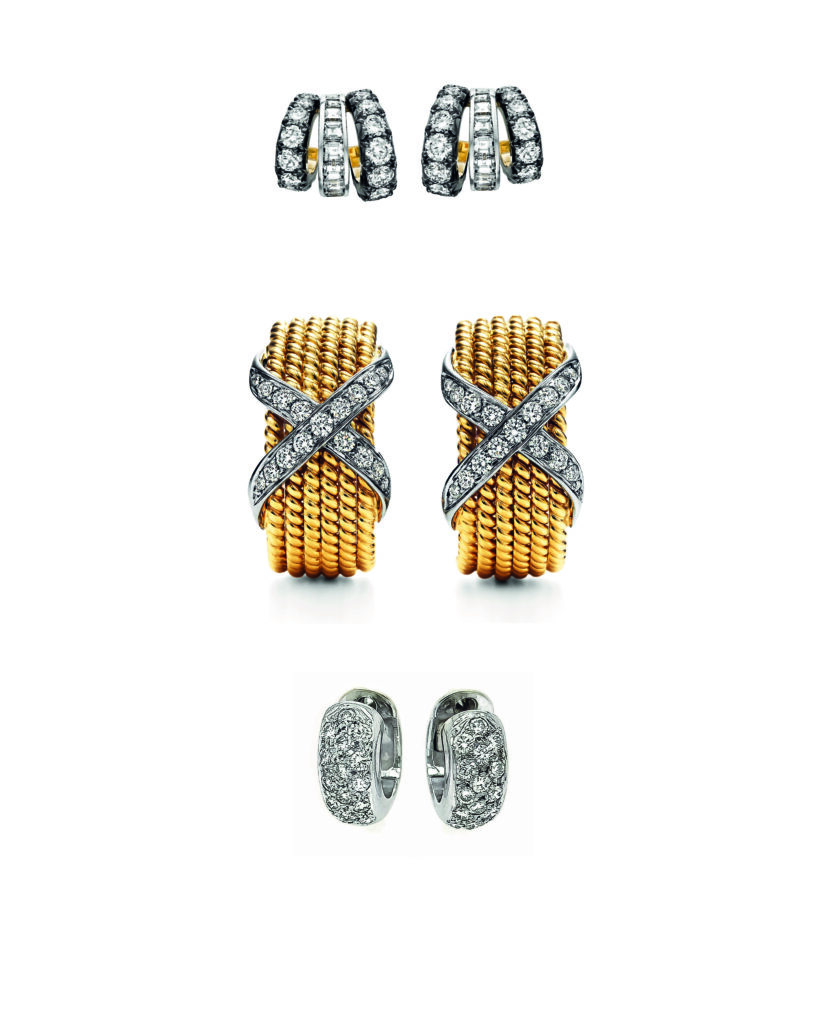
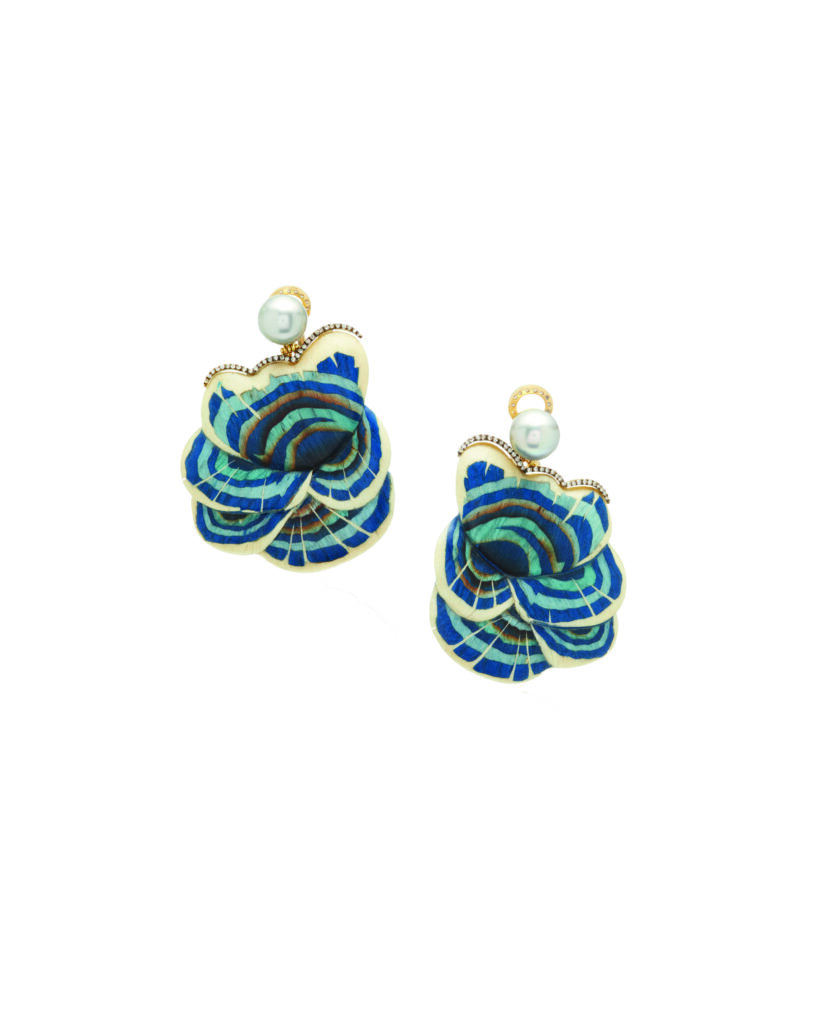
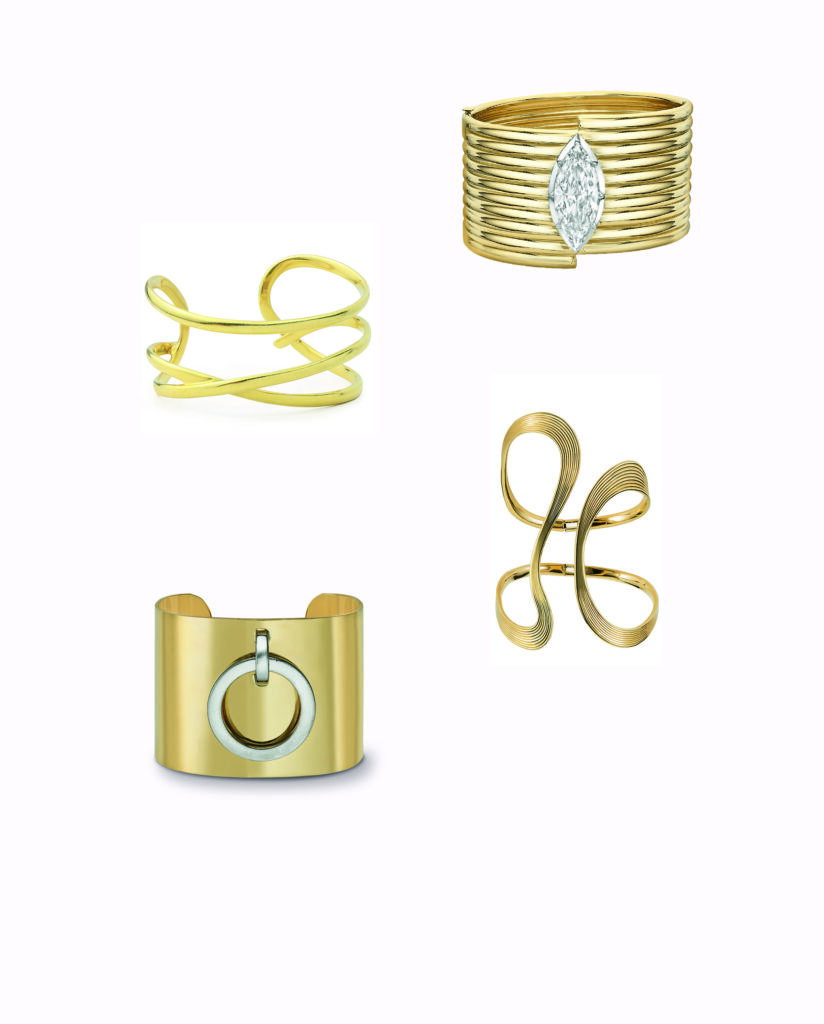
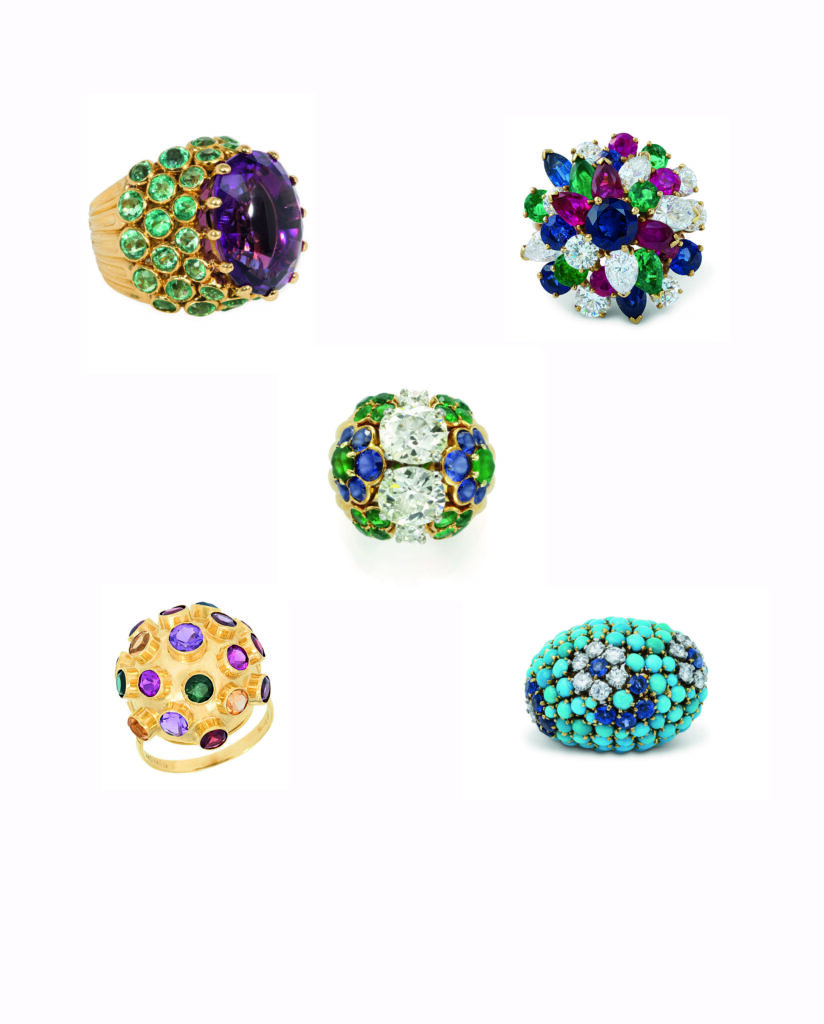
When asked which pieces could serve as the foundation of a versatile jewelry wardrobe, Peltason offers a classic but adaptable list: “a good pair of gold ear clips, diamond studs, maybe a pearl necklace, a great cocktail ring, and a few wearable bracelets.”
The essentials, however, remain personal. A truly useful wardrobe should reflect the woman wearing it, not an abstract checklist of what she is expected to own.
Jewelry As Self-Expression
Ruth Peltason’s insights into jewelry collectors such as Elizabeth Taylor and Jayne Wrightsman reinforce her belief that self-expression doesn’t depend on extraordinary wealth.
People sometimes assume that women such as Taylor possessed something unavailable to everyone else. They certainly owned more expensive jewels, Peltason says, but their desire to express themselves through jewelry was fundamentally universal.
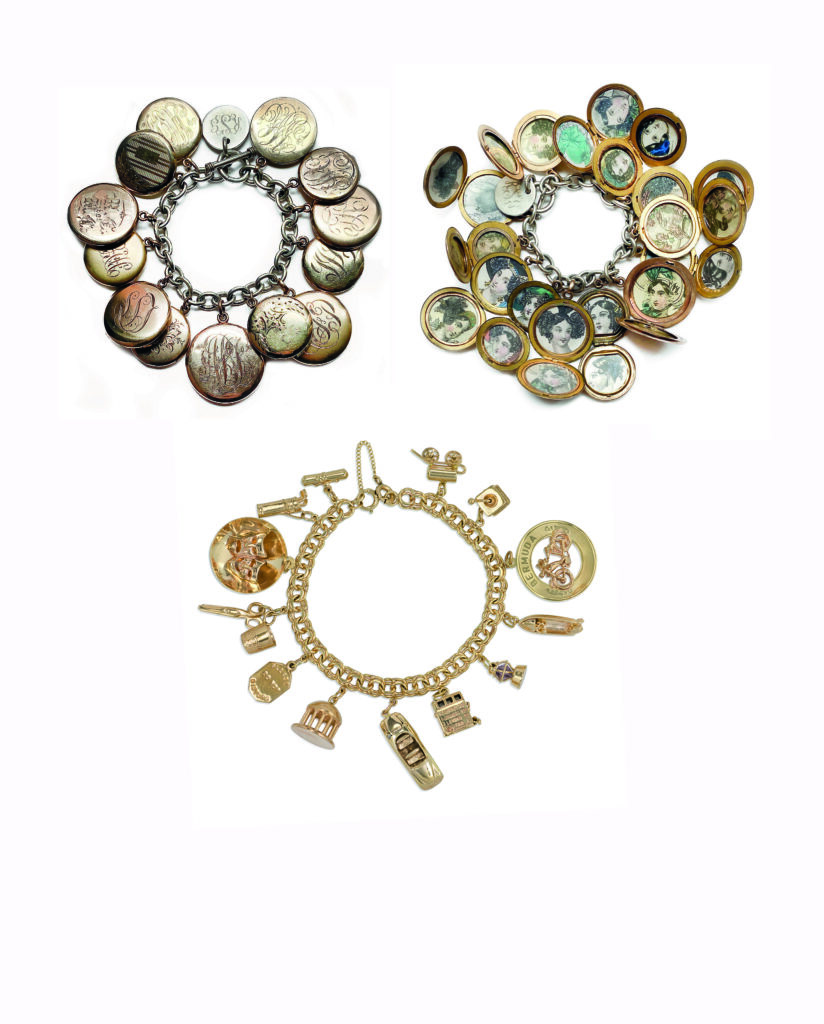
While working with Elizabeth Taylor on a book about her collection, Peltason saw how deeply personal Taylor’s jewelry was. Taylor’s charm bracelets reminded her of friends, children, travels, and films, much as a first charm bracelet might record the experiences of any woman’s life. Taylor loved her 33.19-carat diamond ring, known as “my baby,” not merely because it was spectacular, but because Richard Burton had given it to her. “Elizabeth adored that diamond ring first because Richard Burton gave it to her,” Peltason says. “But don’t other women love their diamond rings because of the sentiment involved?”
For Peltason, this is the essential lesson of the great collectors. Their value lies not only in what they owned, but in how distinctly they wore it. “Great jewelry collectors tell us a lot about taste, and the best of them tell us about their own taste,” she says. “That’s what interests me.”
The Perfect Beginning
If Ruth Peltason could give every reader one piece of jewelry to begin defining her signature style, she would choose earrings.
The reason is both practical and philosophical: earrings frame the face, and the face is where a person’s life is expressed most immediately.
“I would choose a pair of earrings, because earrings enhance the face,” she says. “Our faces express our life experiences, so I’d want to draw attention to who a woman is.” It’s a fitting conclusion to Peltason’s larger argument. The right jewel does not replace personality or announce wealth before the wearer enters the room. It draws attention to the person already there.
A jewelry wardrobe, in her view, should be a living collection, one that evolves with its owner, carries the past, and makes room for the future. Its most important qualities may be design, materials, and craftsmanship, but its deepest value comes from the stories it holds.
And those stories, ultimately, belong to the woman who wears them.
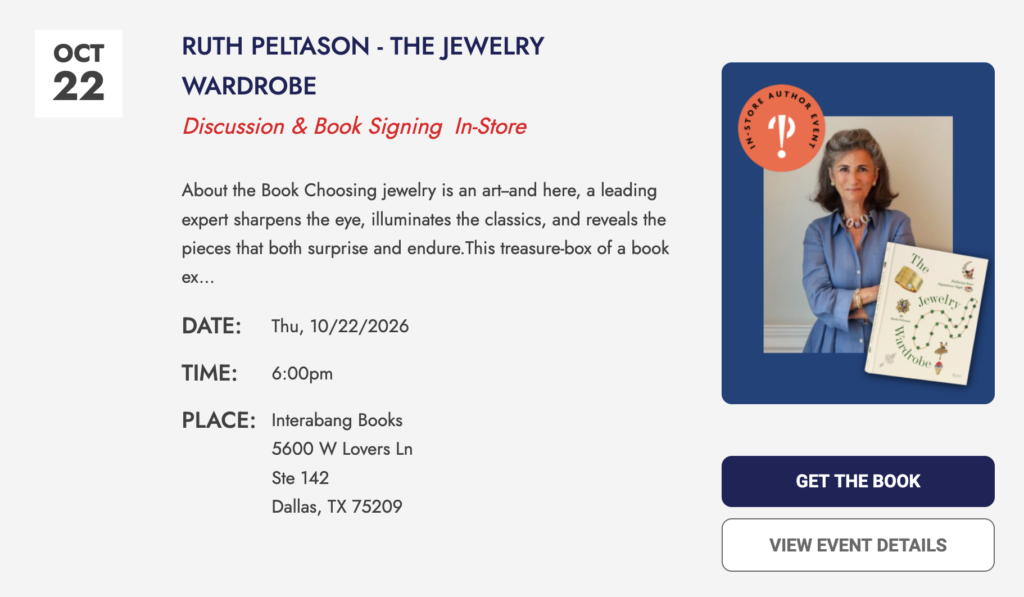
As luck would have it, Ruth Peltason will make a special appearance and book signing at Interabang Books on Tuesday, 10/22. For more information, visit here.
Learn 7 Easy Lessons From Ruth Peltason On Building A Meaningful Jewelry Wardrobe
- Let jewelry reflect who you are. The best pieces support your personal style rather than overpowering it.
- Choose meaning over status. Emotional connections can matter more than carat weight, brand name, or resale value.
- Learn to recognize quality. Look for the “trifecta of quality”: good materials, good design, and good craftsmanship.
- Do not let trends define your collection. Signature style develops through experimentation, education, and self-knowledge.
- Give sentimental pieces room in your wardrobe. A family watch, inherited brooch, or travel souvenir can become more valuable through memory.
- Study great collectors, but find your own taste. Elizabeth Taylor and Jayne Wrightsman offer lessons in individuality, not formulas to copy.
- Start with jewelry that frames your face. A beautiful pair of earrings can be the foundation of a deeply personal jewelry style.





Thank you, Lance! You really put the shine on all my efforts in this book!
Ruth, your book is beyond stunning. It’s our honor to spotlight your talents and share them with the world.