 Lance Avery Morgan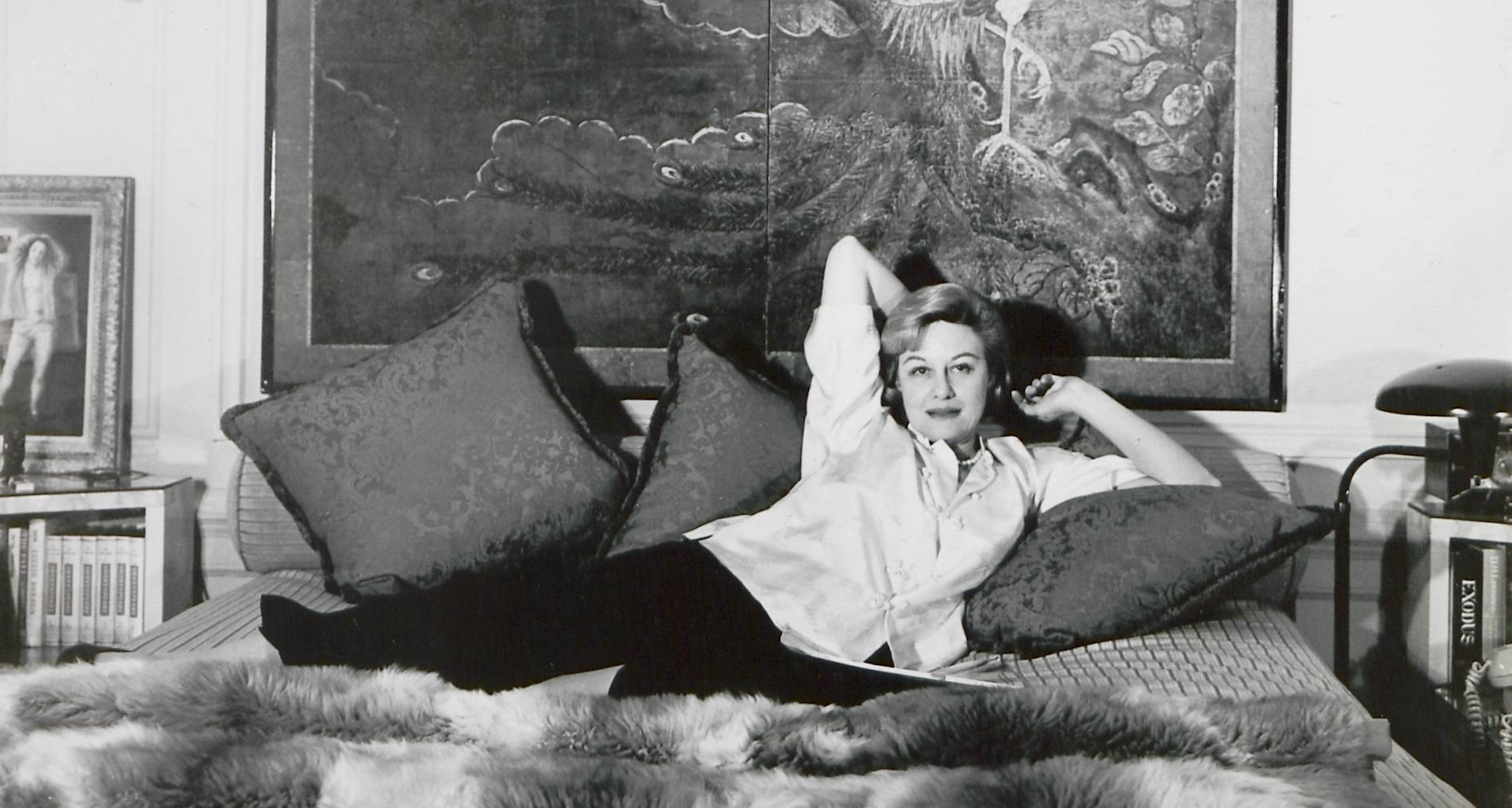
From East Texas Dreamer To Actress, Socialite, Photographer, Author, And Keeper Of Tinseltown’s Golden Age
By any measure, Ernestine Hill, better known to the world as Jean Howard, lived one of the most fascinating lives of the twentieth century. Born in Texas and raised amid hardship, she reinvented herself repeatedly: first as a beauty contestant, then a Broadway performer, a Hollywood actress, a celebrated photographer, a bestselling author, and as one of the most connected women in entertainment history. Through her camera lens, she preserved the glamour, elegance, and intimacy of Hollywood’s golden era in a way few others ever could, according to our society and Hollywood chronicler, Lance Avery Morgan.
Beginning With Humble Texas Roots
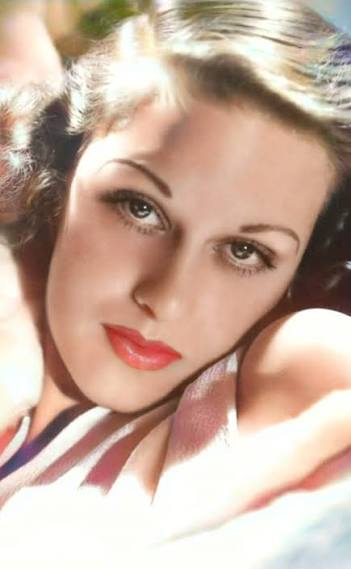
It all had to start somewhere. Jean Howard entered the world as Ernestine Hill in 1910, in Longview, Texas, and her early years were marked by instability. Her parents separated shortly after her birth, and following her mother’s death when Ernestine was still young, she moved to Dallas to live with her father and stepmother. Those formative years in Texas shaped the resilience and determination that defined the rest of her life.
While growing up in Dallas, a chance visit to a photography studio changed her future. Photographer Paul Mahoney recognized her striking looks and potential and became both mentor and advocate. Under his guidance, she began participating in beauty contests, fashion shows, and local theater productions. Soon, Texas could no longer contain her mighty ambitions.
Hollywood Calling
In the late 1920s, Ernestine went west to Hollywood and joined the ranks of hopeful young women seeking stardom. Her beauty and poise quickly earned attention. She became one of the famed Goldwyn Girls, appearing in the 1930 musical Whoopee!, produced by Samuel Goldwyn and Florenz Ziegfeld.
Ziegfeld recognized her potential and brought her to New York, where she adopted the professional name Jean Howard and appeared in the legendary Ziegfeld Follies on Broadway. The glamorous productions placed her among Broadway’s brightest young performers and introduced her to the sophisticated social circles that would later help to define her life.
A Film Career In Hollywood’s Golden Age
Although she never achieved leading-lady status, Jean Howard enjoyed a respectable acting career during the 1930s and early 1940s. Working under contract with MGM, she appeared in films including Whoopee! (1930), Broadway to Hollywood (1933), The Prizefighter and the Lady (1933), Dancing Lady (1933), Break of Hearts (1935), The Final Hour (1936), Claudia (1943), and Bermuda Mystery (1944).
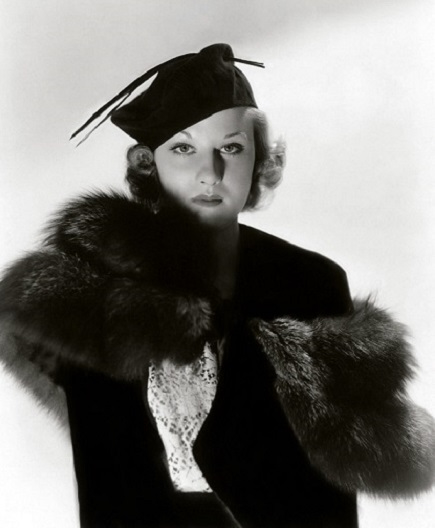
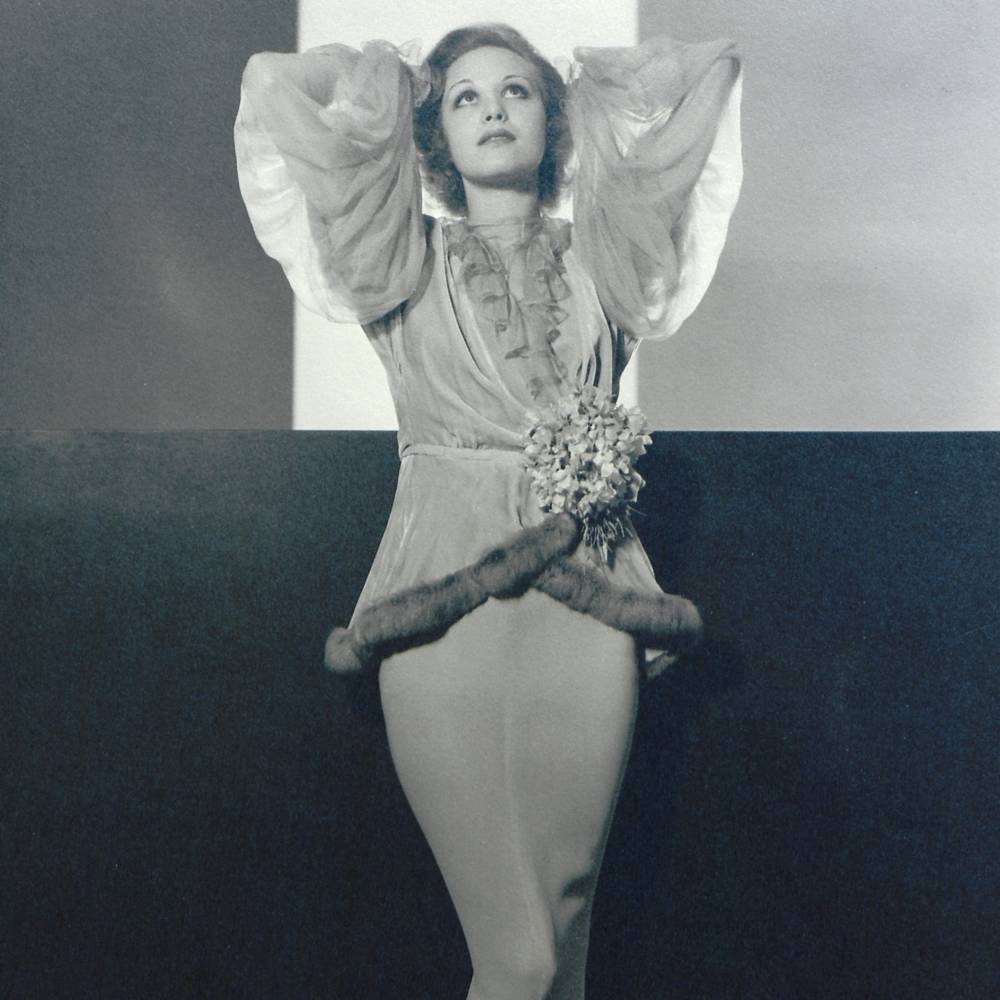
Hollywood insiders often remarked that Howard possessed the beauty and charisma to become a much bigger star. Yet her true legacy would emerge not in front of the camera, but behind it.
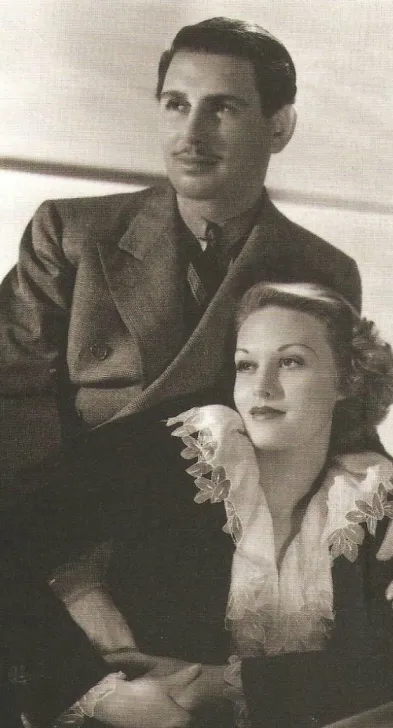
In 1934, Howard married legendary talent agent and future producer Charles K. Feldman, one of Hollywood’s most influential figures. Through Feldman, they gained unprecedented access to the industry’s elite, forming friendships with actors, writers, directors, socialites, politicians, and royalty.
Marriage To The Hollywood Power Broker
The couple’s Beverly Hills home became one of Hollywood’s most celebrated gathering places. Perched along Coldwater Canyon in Beverly Hills, the Spanish Revival residence was purchased by the duo in 1942 for $18,000, and it quickly became one of Hollywood’s most legendary salons for entertaining. Behind its understated yet sumptuous exterior, former actor-turned-society decorator William Haines created rooms that welcomed the world’s most celebrated talents. More than a glamorous address, the home served as the social crossroads of Golden Age Hollywood for nearly three decades, with Howard’s camera quietly documenting the unforgettable evenings that unfolded there.
An Evening At The Feldman-Howard Home: A Hollywood Scene
Howard’s extraordinary gift was not merely gaining access to famous people; it was making them comfortable enough to reveal their authentic selves.
A gathering at the Feldman would have been among the most glamorous and intriguing evenings in Golden Age Hollywood, not because it was a typical celebrity party, but because it was an intimate salon where the most influential figures in film, literature, fashion, music, and politics gathered away from the public eye.
Their home was less a showplace than a sophisticated retreat: a place where movie stars could remove their public masks and simply become fascinating people among friends.
As dusk settled over Beverly Hills, guests would begin winding up Coldwater Canyon in elegant automobiles: Cadillacs, Packards, Rolls-Royces, and chauffeur-driven limousines. The guest list might include a dazzling mixture of personalities: Marilyn Monroe, Grace Kelly, Judy Garland, Marlene Dietrich, Laurence Olivier, Richard Burton, and composers, writers, producers, and directors whose names shaped twentieth-century culture.
The Arrival: A Parade Of Legends
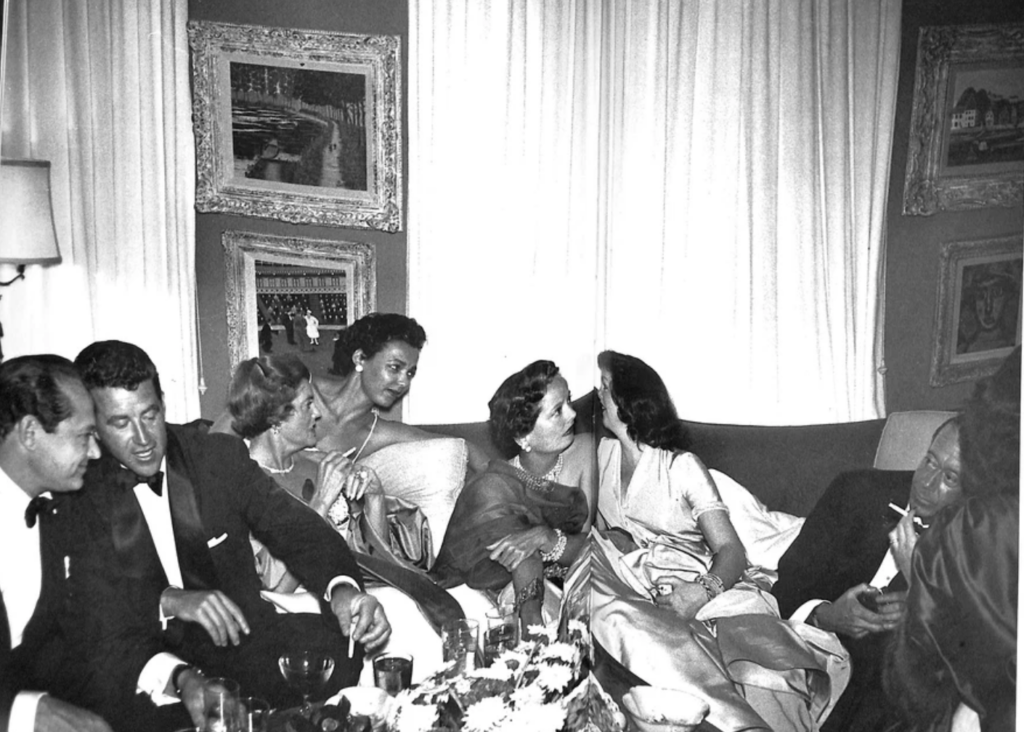
Unlike studio publicity events, no photographers waited at the door, and no carefully staged interviews took place. No, this was Hollywood’s private world.
Jean Howard herself often moved through the evening with her camera nearby, not intrusively, but as a trusted friend capturing the spontaneous moments that later became some of the most valuable images of the era.
Cocktails Before Dinner: The Art Of Conversation
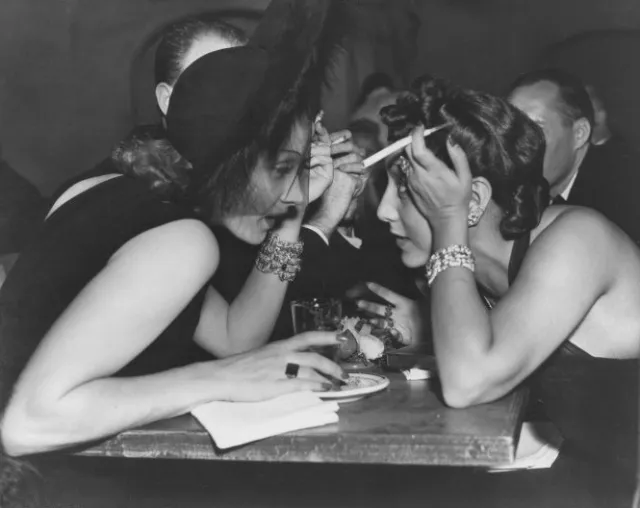
The evening would likely begin with cocktails in elegantly appointed rooms filled with mid-century glamour: crystal decanters filled with martinis, champagne, and classic cocktails. Cigarette cases and ashtrays would be placed throughout the rooms (a defining feature of the era). Jazz or classical music played softly in the background, and guests gathered around fireplaces, bookshelves, and intimate seating areas (especially settling into one of Billy Baldwin’s famous elbow chairs, which made it easy to move and keep conversations flowing).
In those circles, Charles Feldman, a powerful Hollywood agent and producer, was known for his intelligence, humor, and ability to connect creative people. He could move easily between conversations about a new screenplay, a Broadway production, international politics, or the latest studio intrigue.
Jean, meanwhile, was the perfect hostess: observant, warm, and curious. She understood that the best parties weren’t about showing off famous guests; they were about creating unexpected connections.
A young actor might find himself seated beside an acclaimed playwright. A director might debate ideas with a composer. A movie star might spend the evening discussing art, travel, or literature rather than films. The big mix.
Dinner: Hollywood’s Informally Royal Court
The dining room, the centerpiece of the home’s many living areas, would not have felt like a formal banquet. The atmosphere would have been elegant but relaxed… more European salon than Hollywood spectacle.
A typical dinner might have featured French-inspired cuisine and wines, beautifully arranged courses. Fresh seasonal produce, sophisticated desserts like Baked Alaska and Charlotte Russe, and plenty of cocktails, coffee, and after-dinner conversation that continued late into the night
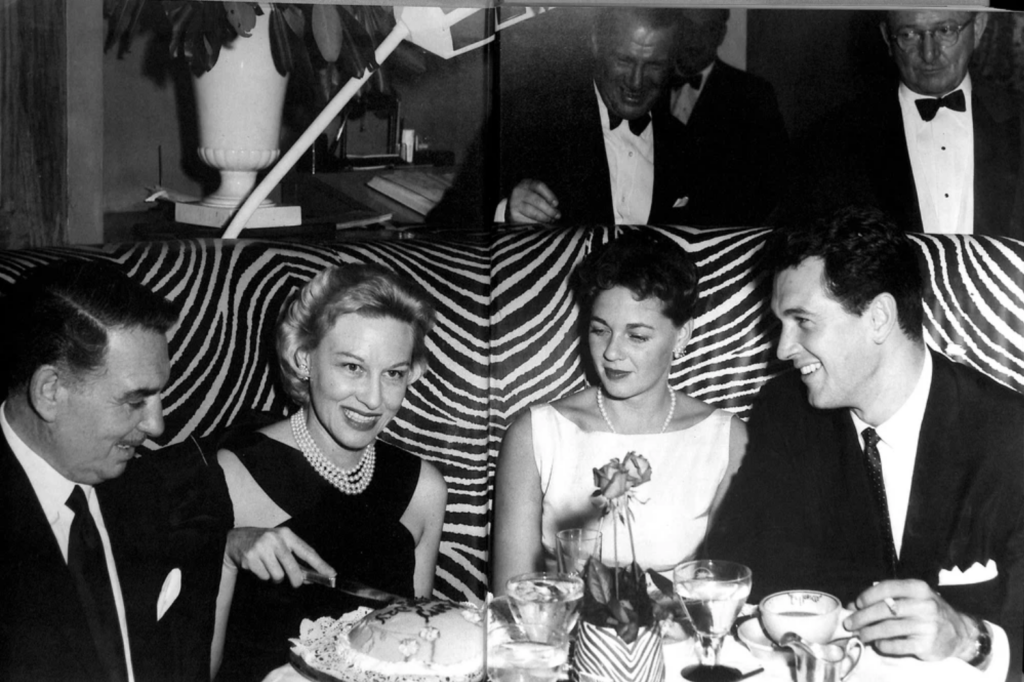
The table conversation was the real entertainment. Guests likely debated much more beyond the latest Hollywood gossip, like whether a new film would change cinema, the future of television, politics in Washington, European travel, art exhibitions, literature, and fashion trends.
Because Hollywood’s creative community was geographically concentrated, these evenings often became informal think tanks where ideas were exchanged, and careers were influenced.
After Dinner: Music, Stories & Spontaneous Moments
The most memorable portions of the evening likely happened after the meal, when guests relaxed.
Someone might move to the piano. A performer might sing informally. A writer might tell a hilarious behind-the-scenes story from a film set. Guests might gather for photographs or simply keep talking into the early morning.
Imagine Cole Porter entertaining guests with sharp wit and musical brilliance. Judy Garland telling stories from her latest film, Laurence Olivier discussing Shakespeare. Marlene Dietrich sharing European memories from her youth. And plenty of young Hollywood talents absorbing wisdom from industry legends. These were not performances for an audience; they were moments among friends.
Jean Howard’s Camera: The Silent Guest
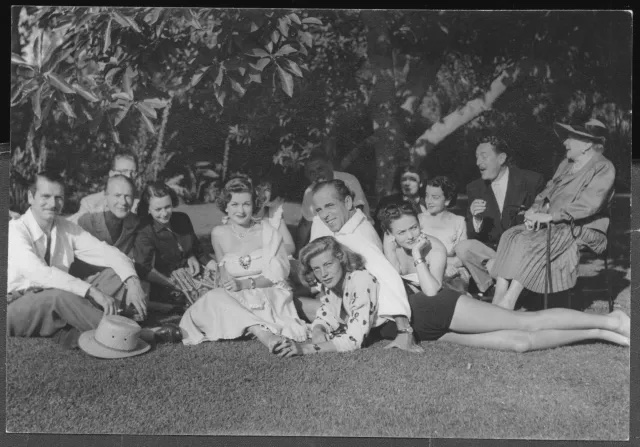
Perhaps the most unique element of a Feldman-Howard gathering was Jean’s photography.
She captured Hollywood when it stopped performing.
Her photographs show actors laughing between conversations, couples who just happened to be famous relaxing at home, celebrities caught in thoughtful moments, and friendships that existed way beyond publicity campaigns
Her camera transformed these gatherings into historical documents. Decades later, those photographs became some of the closest views ever offered into the private lives of Hollywood’s greatest figures.
The Changing Years: From The 1930s To The 1960s
The character of their gatherings evolved with Hollywood itself. The 1930s and 1940s was when the parties reflected the studio era at its finest: glamorous, theatrical, and filled with the industry’s rising stars.
In the 1950s, the gatherings became more international and sophisticated, reflecting a changing Hollywood that embraced European filmmakers, television, modern design, and new cultural influences.
The 1960s saw the mood shift. The old studio system was disappearing, and a new generation of actors, filmmakers, and cultural figures began replacing the classic Hollywood establishment. Yet the Feldman-Howard home remained a place where generations could meet.
The Legacy Of The Feldman-Howard Salon
The remarkable thing about Jean Howard and Charles Feldman’s home was that it represented something increasingly rare: a true Hollywood salon. It was a place where curiosity, creativity, and conversation mattered more than fame.
The house was not simply filled with celebrities; it was filled with stories waiting to happen.
Becoming Hollywood’s Unofficial Photographer
During the 1940s, Howard formally studied photography at the Los Angeles Art Center and began documenting the world around her. What started as a personal hobby evolved into a remarkable visual archive of Hollywood life. Thanks to Jean Howard’s remarkable eye, many of those stories survived. Her photographs preserved not only the faces of Hollywood’s legends, but the atmosphere of an era when dinner parties could shape careers, friendships could last decades, and a single evening in Beverly Hills could bring together the most fascinating people in the world.
Unlike studio photographers who created highly controlled portraits, Howard captured celebrities at ease; laughing at parties, relaxing at home, vacationing abroad, and enjoying friendships away from movie sets.
Some of her subjects included Marilyn Monroe, James Dean, Grace Kelly, Judy Garland, Gene Tierney, Tyrone Power, Hedy Lamarr, Vivien Leigh, Richard Burton, Laurence Olivier, Deborah Kerr, Cole Porter, Jennifer Jones, Ethel Barrymore, and Marlene Dietrich.
Many of her images appeared in prestigious publications including Life and Vogue. Yet her photographs were valued most because they captured Hollywood’s humanity rather than its mythology.
Her Friendship With Cole Porter
One of the most significant relationships of Howard’s life was her close friendship with legendary composer and songwriter Cole Porter.
After the death of Porter’s wife, Linda, Howard accompanied Porter on extensive travels throughout Europe and the Mediterranean during the 1950s. She photographed their adventures, documenting both the grandeur of postwar Europe and the private side of one of America’s greatest musical talents.
The resulting photographs became one of her most celebrated publishing projects.
The Books That Preserved An Era
Ironically, Howard’s greatest artistic achievements arrived later in life, way past when she was considered to be one of Hollywood’s greatest hostesses.
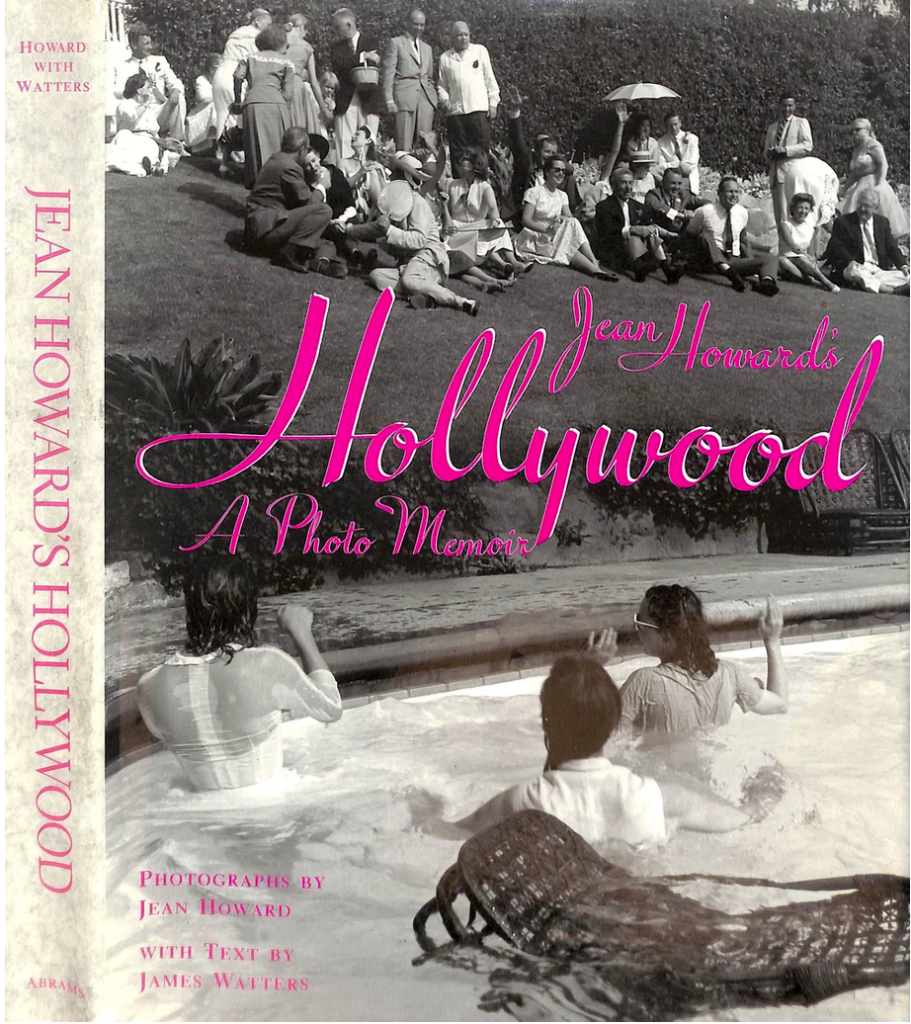
Jean Howard’s Hollywood: A Photo Memoir (1989)
This landmark volume collected decades of photographs chronicling Hollywood from the 1930s through the 1960s. More than a celebrity photo book, it served as a visual time capsule of an era when the film industry functioned as a close-knit community. The book earned wide praise for offering intimate, candid glimpses into the lives of entertainment legends. I recall buying it in 1989 when it debuted, and it was a coffee-table staple. It still is.
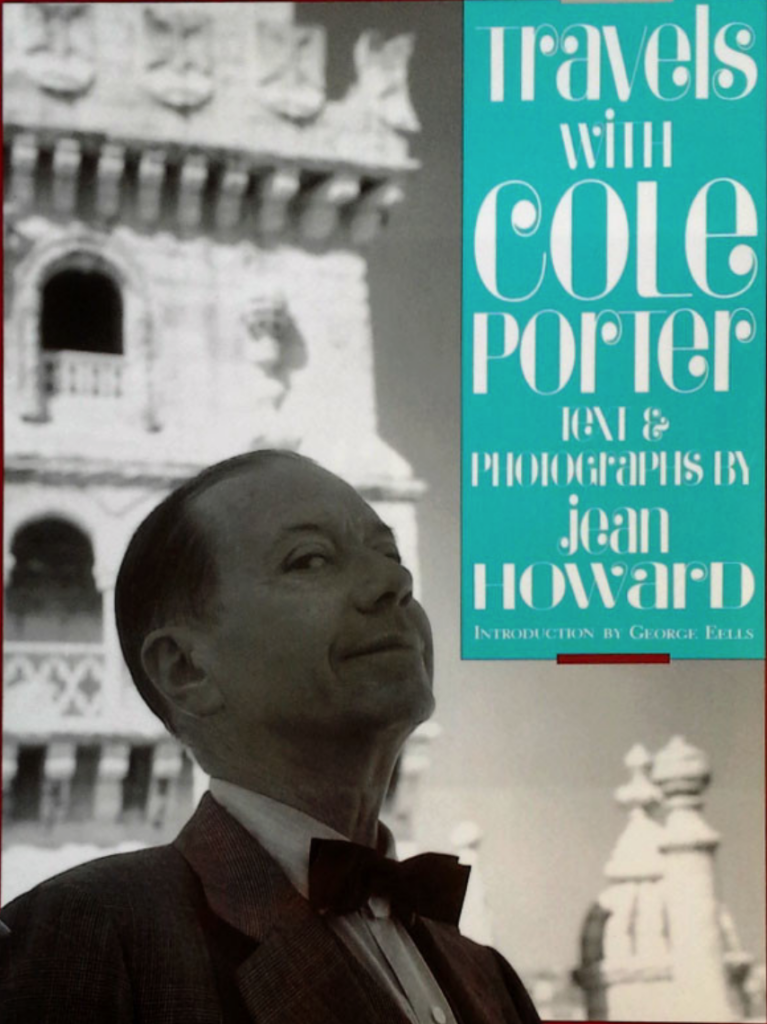
Travels With Cole Porter (1991)
Her second major book documented her journeys with Porter through Europe and the Middle East. Combining travel photography, cultural observations, and personal memories, it offered readers an unparalleled look at the glamorous world inhabited by Porter and his circle.
These two volumes cemented Howard’s reputation as more than a former actress. She became recognized as an important visual historian of twentieth-century American culture.
A Living Archive Of Hollywood
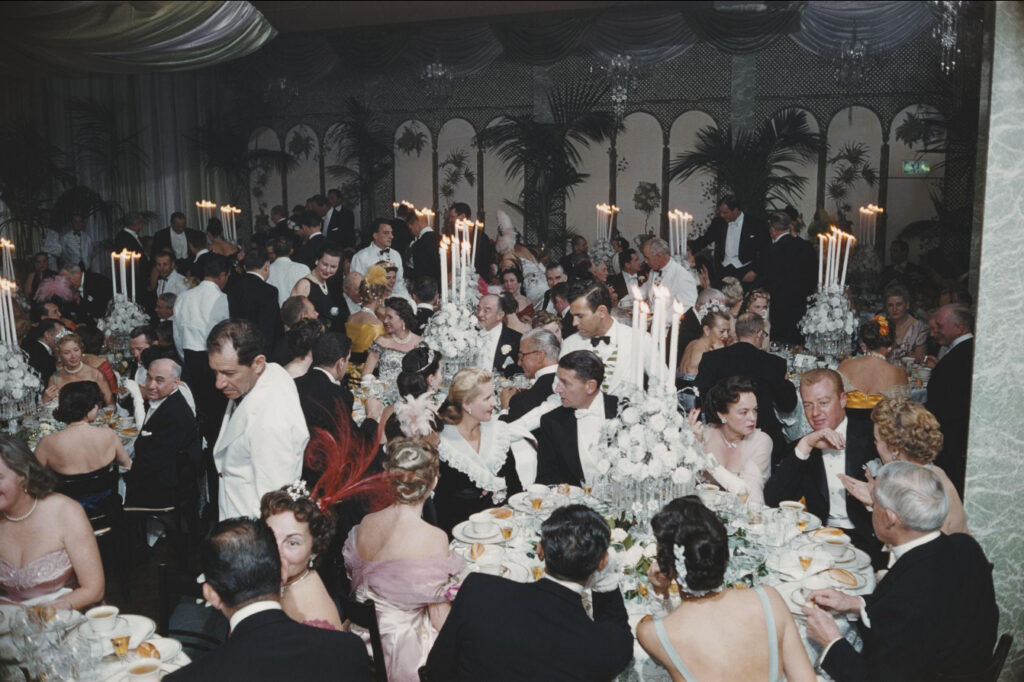
Today, Howard’s photographs are considered invaluable historical records. The American Heritage Center at the University of Wyoming preserves thousands of her images and papers, ensuring future generations can study her work and the world she documented.
Luckily, her collection offers vintage cinema fans and scholars rare insights into Hollywood social life, celebrity culture, mid-century fashion, entertainment history, postwar travel, and the evolution of modern American glamour.
Why Texas Should Fondly Remember Jean Howard
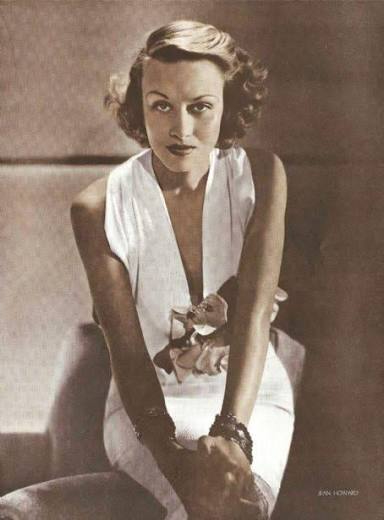
Although she spent much of her life in New York, Los Angeles, Europe, and Capri, Jean Howard never ceased being a Texas success story.
Her journey from Longview and Dallas to the center of Hollywood power embodies the classic Texas spirit of reinvention and ambition. And although Jean Howard and Charles Feldman divorced in 1948, they maintained an unusually close friendship and continued sharing the house for years. She married Tony Santoro, an Italian musician, in 1973. After Feldman’s death in 1968, Howard returned permanently and lived there until she died in 2000.
She was not merely an actress who became a photographer. She chronicled an age, befriended some of the twentieth century’s most influential cultural figures, and captured Hollywood’s golden years from the inside.
Long before social media offered constant access to celebrities, Jean Howard possessed something far more valuable: genuine friendship, extraordinary access, and the artistic instinct to preserve fleeting moments before they disappeared forever.
In doing so, the girl born Ernestine Hill in East Texas became one of Hollywood’s most important visual storytellers and still inspires today with her vintage photographs.
Top 10 Fascinating Reasons Jean Howard Is One of Texas’ Most Overlooked Hollywood Legends
- She Began Life as Ernestine Hill in Longview, Texas
Before she became known throughout Hollywood as Jean Howard, she was a Texas girl whose small-town upbringing instilled the resilience, confidence, and determination that would define her remarkable career. - She Worked During Hollywood’s Golden Age
Howard appeared in films during the 1930s and 1940s, sharing an era with some of cinema’s biggest names while experiencing firsthand the magic of the studio system. - She Reinvented Herself Beyond Acting
Rather than remaining solely in front of the camera, Howard discovered an even greater calling behind it, becoming one of Hollywood’s most respected documentary photographers. - Her Camera Captured Hollywood’s Most Famous Faces
From glamorous premieres to intimate private gatherings, Howard photographed legendary stars in authentic moments that revealed the people behind the public personas. - She Created an Unmatched Visual Archive of Classic Hollywood
Her candid photographs preserve everything from fashion and architecture to friendships and film history, offering historians an invaluable glimpse into a vanished era. - She Became a Celebrated Author and Memoirist
Through books such as Jean Howard’s Hollywood: A Photo Memoir and Travels With Cole Porter, she combined striking photography with engaging storytelling, preserving memories that otherwise might have been lost forever. - She Moved Within Hollywood’s Most Influential Circles
As the wife of famed producer Charles K. Feldman, Howard enjoyed unparalleled access to the entertainment industry’s leading actors, directors, writers, and producers; yet always remained an insightful observer rather than simply a socialite. - Her Texas Values Never Left Her
Despite decades in Beverly Hills, Howard retained the grounded perspective, warmth, and work ethic that reflected her Texas upbringing. - She Documented More Than Celebrities
Howard’s photographs also captured the lifestyles, homes, automobiles, fashion, and cultural moments that define mid-century America’s visual identity. - Her Legacy Continues to Inspire Historians and Photography Lovers
Today, Jean Howard’s work remains an essential resource for film scholars, photography enthusiasts, and anyone fascinated by the elegance and artistry of Hollywood’s Golden Age, making her one of Texas’ most remarkable native-born cultural ambassadors.