

 Lance Avery Morgan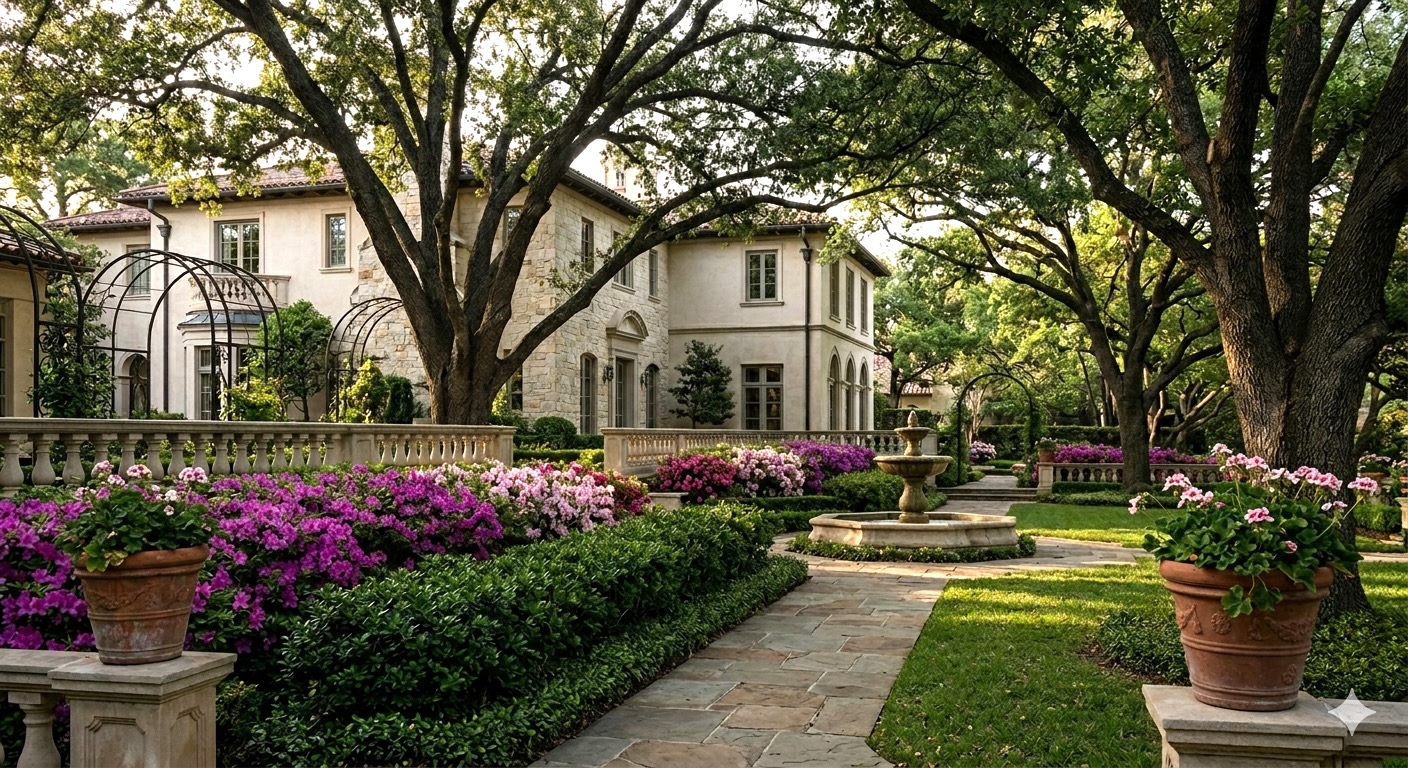
Before Lambert, Dallas Was, In The Words Of Joe Lambert Jr., “A Bleak, Brown Place.” Now Look At Its Texas Legacy At 107 Years Strong
Photography courtesy of Lambert’s, Curated Texan
There are landscaping companies, and then there is Lambert Landscape Company. Since 1919, the Dallas firm has done something far rarer than plant trees and lay stone: it has shaped the visual identity, the cultural memory, and the living soul of an entire city’s outdoor life. One hundred and six years in, it is still doing it, and doing it better than ever, according to a conversation about “The Art of The Garden” with Lambert Director of Design and Co-owner, Paul Fields, who is leading the firm into the next generation, and our all-things-green advocate, Lance Avery Morgan.
Origins & Legacy
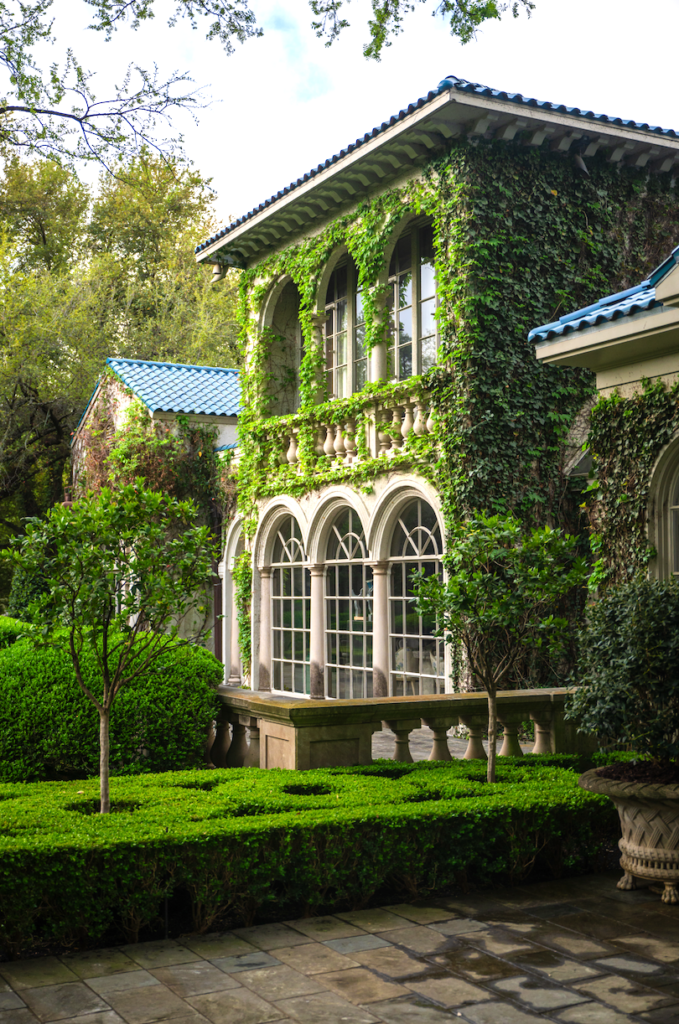
Dallas was a city transformed, one garden at a time. When Joe Lambert Jr. first visited Dallas in the early 1930s, he described it to his father as a bleak, brown place. What followed is one of Texas’s great horticultural stories. Lambert’s introduced generous plantings of live oaks, azaleas, hollies, and nursery-grown materials that simply were not part of the city’s landscape at the time. Block by block, estate by estate, Dallas turned green.
But Lambert’s legacy was never only about plants. The company brought what its current leadership describes as “a tasteful, classically informed approach to garden design, often with a European influence” … a refined aesthetic sensibility that paired beautifully with homes being designed by the era’s leading architects: Hal Thomson, Anton Korn, Charles Dilbeck, John Aston Perkins, and others. Lambert did not merely landscape properties. It helped invent what a Dallas estate could look, feel, and mean, lending to the Texas city’s legendary stylishness.
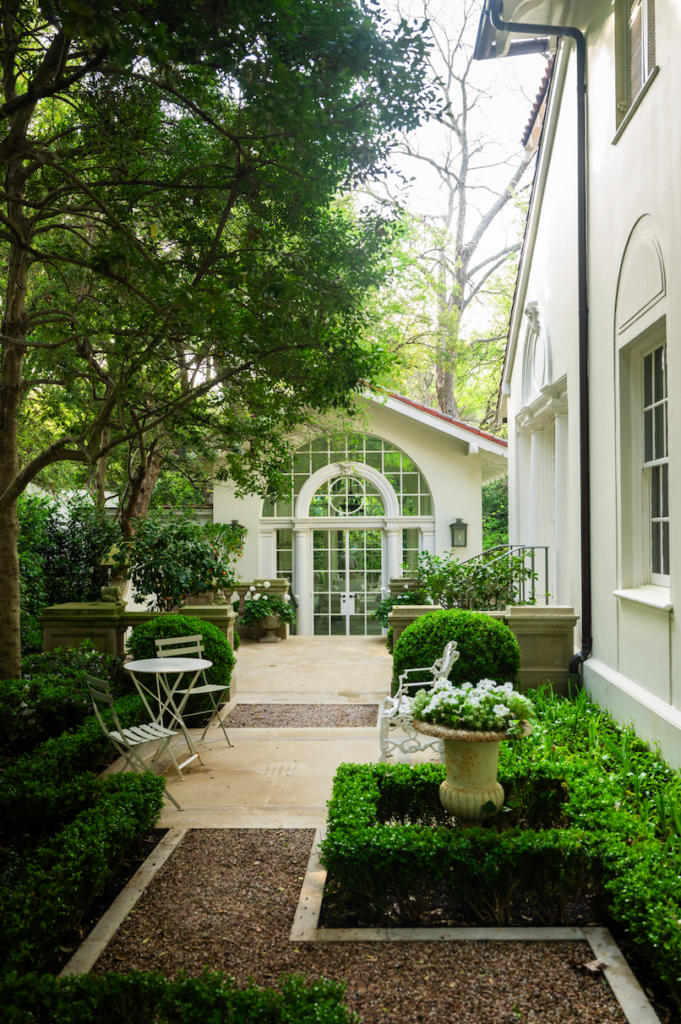
“Lambert’s did more than landscape properties; it helped shape the visual identity of Dallas’s finest estates and outdoor environments, shares Lambert’s Director of Design and Co-owner, Paul Fields.”
Inevitably Gorgeous Gardens
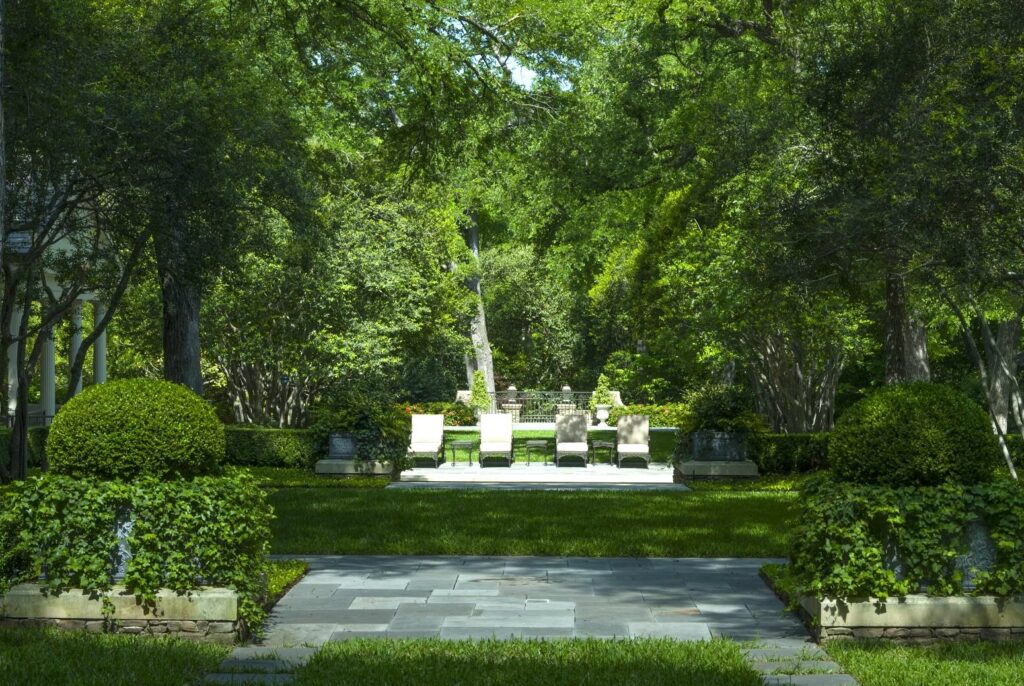
Ask Lambert what separates a beautiful landscape from one that lasts for generations, and the answer is both simple and rare: intention. “The most memorable gardens are emotional experiences shaped by proportion, movement, texture, light, and the relationship between architecture and land,” Fields says. “A successful landscape should not only function well but also possess a timeless character that feels authentic to the property and meaningful over time.”
The word that comes up again and again in Lambert vocabulary is inevitable. A great garden, they believe, should never feel imposed on the land… it should feel as though it has always belonged there, as though removing it would leave a wound. That is a different standard than beautiful, and it is a far harder one to meet.
“A great garden should never feel imposed on the land; it should feel rooted in it, enthuses Fields.”
Lambert has shaped the visual language of Dallas landscapes for nearly a century, not through a singular style, but through a consistent belief that gardens should feel timeless, regionally grounded, and deeply connected to the architecture and land around them. Where other firms chase trends, Lambert has always chased permanence.
Where Landscaping Becomes Something More
There are hundreds of landscape companies across Dallas–Fort Worth, many of them very capable. Lambert has intentionally chosen not to compete in that space alone. “The work becomes something more meaningful,” Fields explains, “when it moves beyond simply placing trees and shrubs around a home and begins creating a complete garden environment that adds lasting beauty, function, and value to the way people live.”
That deliberately places Lambert closer to the artistic and curatorial side of the profession. Each project is approached as a long-term composition in which architecture, gardens, materials, circulation, and atmosphere work together. “Function is essential, but so is creating spaces with emotional resonance and permanence… gardens that not only serve the home well but ultimately elevate the experience and value of the property itself,” notes Fields.

Stewardship & The Long Game
Anyone can design a garden that photographs beautifully at completion. Lambert is after something harder: a garden that performs beautifully twenty years later. That philosophy drives what the firm calls stewardship: the disciplined, long-view care of a living environment.
“Anyone who is a gardener knows there is always something evolving,” Paul Fields muses. “Plants being edited or moved, seasonal changes to respond to, trees maturing and altering light conditions, or spaces that need to adapt over time.” A once-sunny border may gradually become shaded beneath a mature canopy, requiring an entirely different plant palette years later. Great landscapes, in Lambert’s view, are never static installations; they are living environments that require thoughtful guidance.
“A truly successful landscape is not one that simply photographs well at completion, but one that performs beautifully 20 years later, shares Fields.”
It is also worth noting that Lambert has practiced sustainable, organic-based horticulture for nearly forty years, long before it became fashionable terminology. Healthier soils, thoughtful horticulture, and reduced chemical dependency create landscapes that are stronger, more stable, and ultimately more enduring. The firm has seen this proven across generations of properties.
Many of the estates Lambert cares for have been with them for decades, sometimes across multiple generations of ownership. Stewardship, they emphasize, is not only about caring for the land; it is about protecting and strengthening the long-term financial investment a significant landscape represents.
Clarifying What Was Always True
A company that has existed for more than a century has to evolve thoughtfully or risk becoming disconnected from the way people live today. Lambert’s recent brand refinement was, by its own account, not a reinvention; it was a clarification. “Our work has evolved far beyond traditional landscaping into a comprehensive approach to estate design, horticulture, stewardship, and long-term property care,” Fields explains. “An expression of what has always guided us: the art of the garden.”
Part of that evolution involved bringing their sister company, Moore Tree Care, formally under the Lambert umbrella, a recognition that arboriculture and long-term tree stewardship are not separate disciplines but integral ones. It also acknowledged what has been true for much of Lambert’s history: the firm has designed, built, and maintained swimming pools and water features as part of creating complete outdoor environments.
“We approached the refinement much like we would a historic estate garden,” remarks Fields, preserving its character and authenticity while thoughtfully evolving it for a new generation. The goal was to align the caliber of work the firm has been delivering for years with how it presents itself to the world. “The refinement was less about changing our identity and more about revealing it more clearly.”
Root To Sky
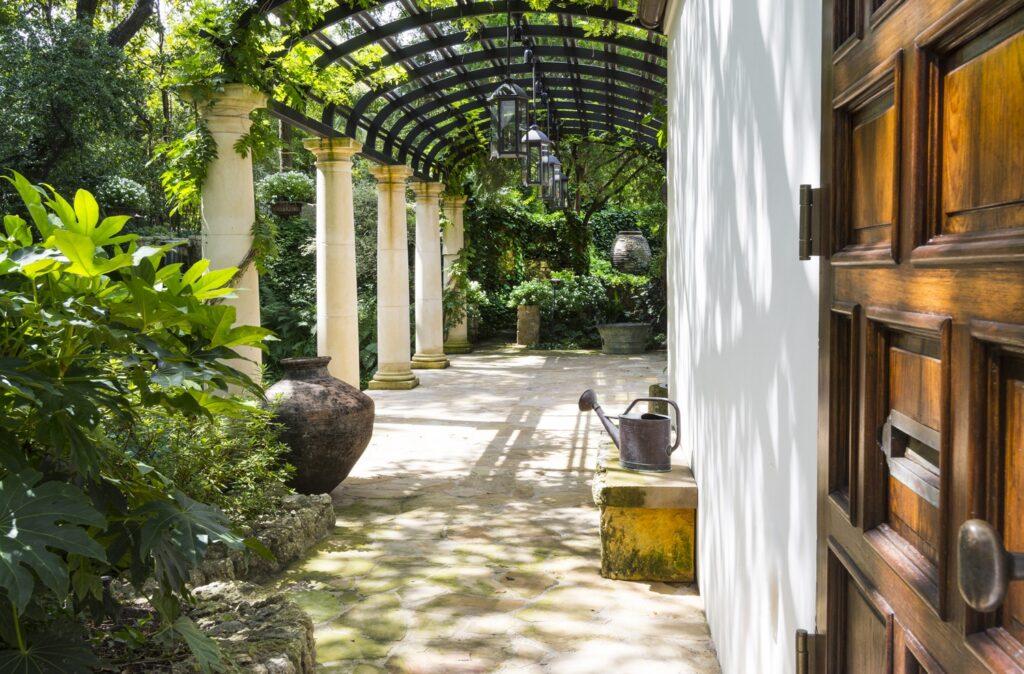
Bringing Moore Tree Care-fully into the Lambert family was, by the firm’s account, a natural evolution, because mature trees have always been foundational to how Lambert thinks about gardens and properties. One of the first things the firm does when beginning a new project is to evaluate the existing trees on a site: which should be preserved, which may need to be removed, and how new design and construction will impact critical root zones.
“Understanding soil biology, root health, nutrition, irrigation, and environmental stress allows us to care for landscapes more holistically and sustainably,” Fields explains. By bringing design, construction, horticulture, irrigation, arboriculture, and water feature expertise together under one umbrella, the firm can now approach a property as a complete living system, from concept through long-term stewardship.
“It is really where our organic approach begins; in the root, in the soil, in the long view,” he notes.
The People & What It Takes to Carry This Forward
The people who carry Lambert forward, the firm says, are those who combine technical expertise with genuine stewardship. Craftsmanship matters, but so does judgment, the ability to guide clients thoughtfully and make decisions that serve the property well over the long term.
“We value team members who understand that trust is earned over time,” enthuses Fields. Our work is deeply personal to our clients, so building lasting relationships is just as important as design or horticultural knowledge. The best people become trusted advisors whom individual clients can rely on for honesty, discretion, consistency, and guidance that is always centered on the client’s best interest.”
That combination of expertise, integrity, and long-term thinking has sustained Lambert’s for more than a century, and the firm is clear about this: it will continue to define the company moving forward.
“I hope Lambert’s will continue to be known for creating gardens with permanence, integrity, and a deep sense of place,” states Paul Fields on the next 100 years.
Dallas will continue to grow. Neighborhoods will change. Architectural tastes will shift. But there will always be- Lambert is betting its next century on this, a desire for environments that feel timeless, grounded, and thoughtfully connected to the land and architecture around them. For more than a hundred years, Lambert’s has been the firm that knows how to create them. It intends to be that firm for another hundred.
The 6 Top Reasons Lambert Landscape Company Is the Most Storied Name in Texas…
They literally changed the color of Dallas. Before Lambert, live oaks, azaleas, and hollies weren’t part of the city’s landscape vocabulary. Joe Lambert Jr. walked into “a bleak, brown place” and left it green.
They designed gardens for the architects who defined the city. Hal Thomson, Charles Dilbeck, and Anton Korn; the great estates of Dallas were inside jobs. Lambert’s was an insider doing the outside one.
They’ve been going organic for 40 years, before it was trendy. Lambert has practiced “sustainable, organic-based horticulture for nearly 40 years, long before it became fashionable terminology.”
They appear in a diamond heist book. Yes, really. The King of Diamonds by Rena Peterson weaves Lambert into the glittering social history of Dallas, including how they brought azaleas that could actually survive a Texas summer.
They think of a garden the way a novelist thinks of a story, never finished. “A garden is never truly finished,” Lambert’s Paul Fields says. Every season is another chapter.
They just brought their arborist arm in-house, and it changes everything. Integrating Moore Tree Care means Lambert now stewards a property from soil biology to soaring canopy: root to sky, concept to century. Their definition of luxury will make you rethink your backyard.




They are the best!
We agree – Lambert’s is a terrific Texas institution!