
 Curated Texan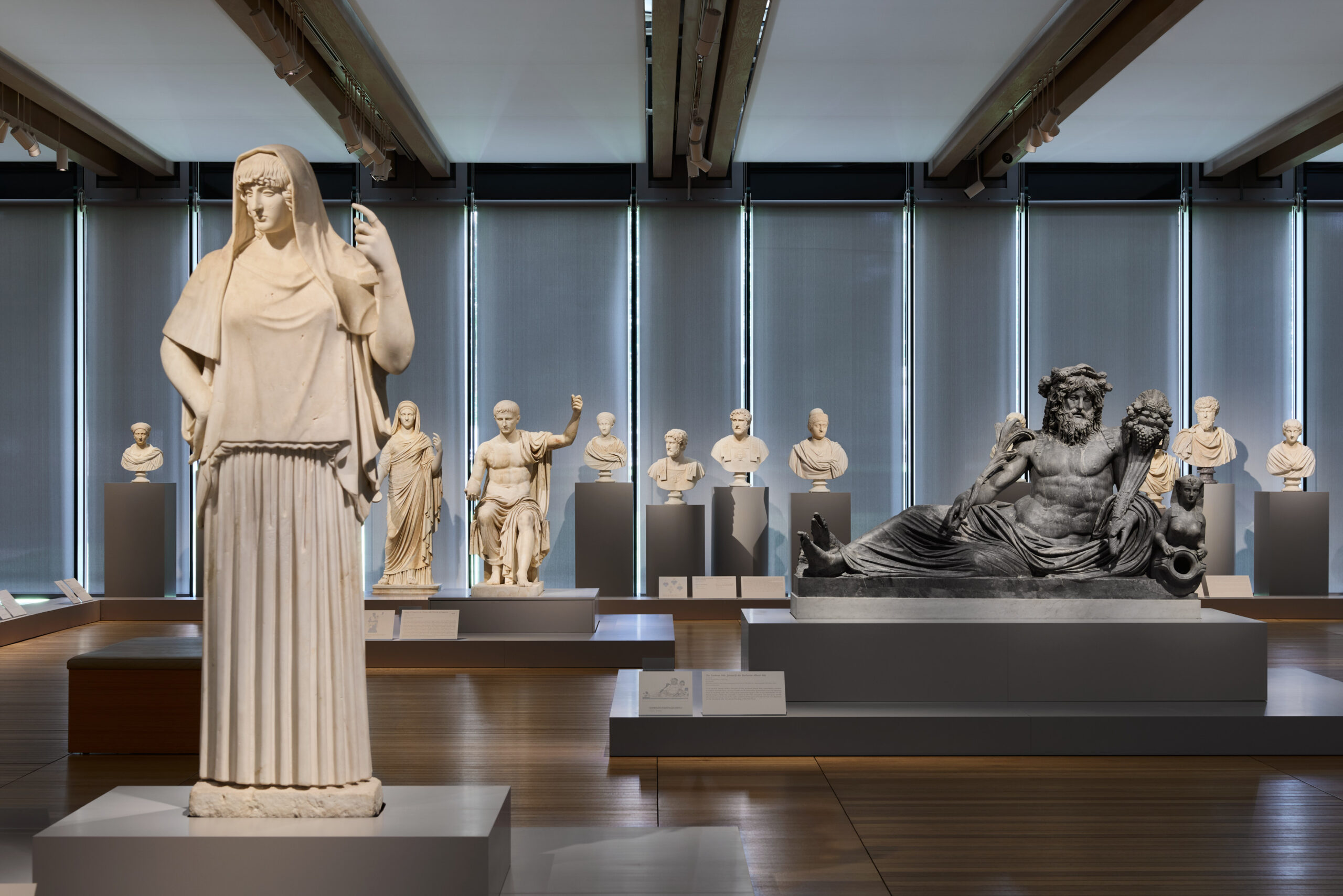
The Kimbell Is One Of Only Two US Venues To Host 58 Masterpieces From The Historic And Celebrated Bulgari Collection, September 14, 2025-January 25, 2026
Photography courtesy of Bvlgari and Kimball Art Museum
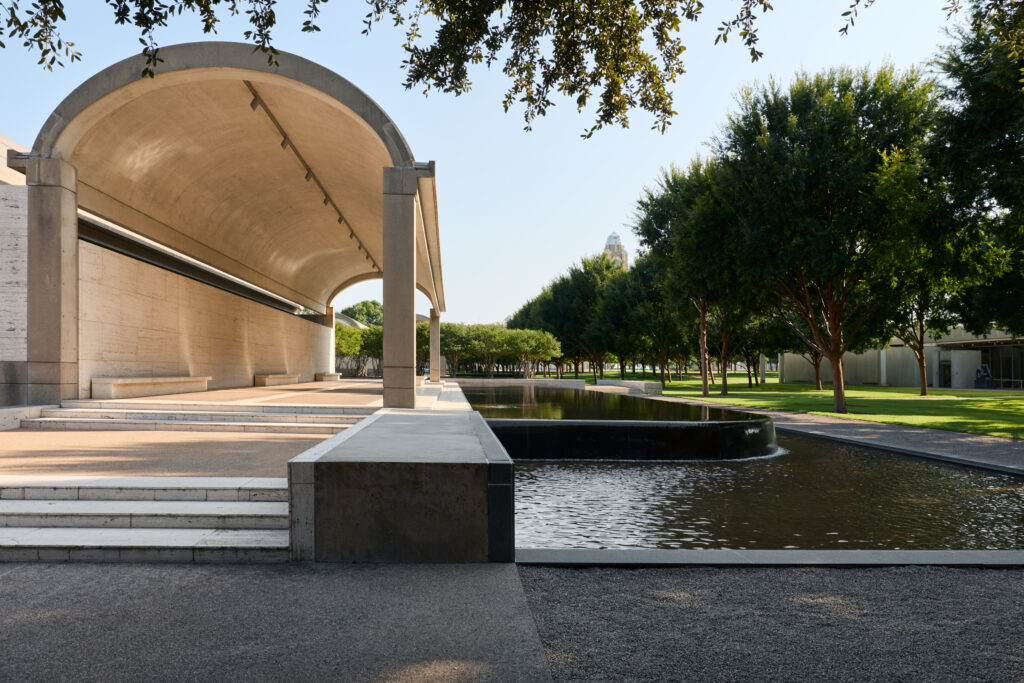
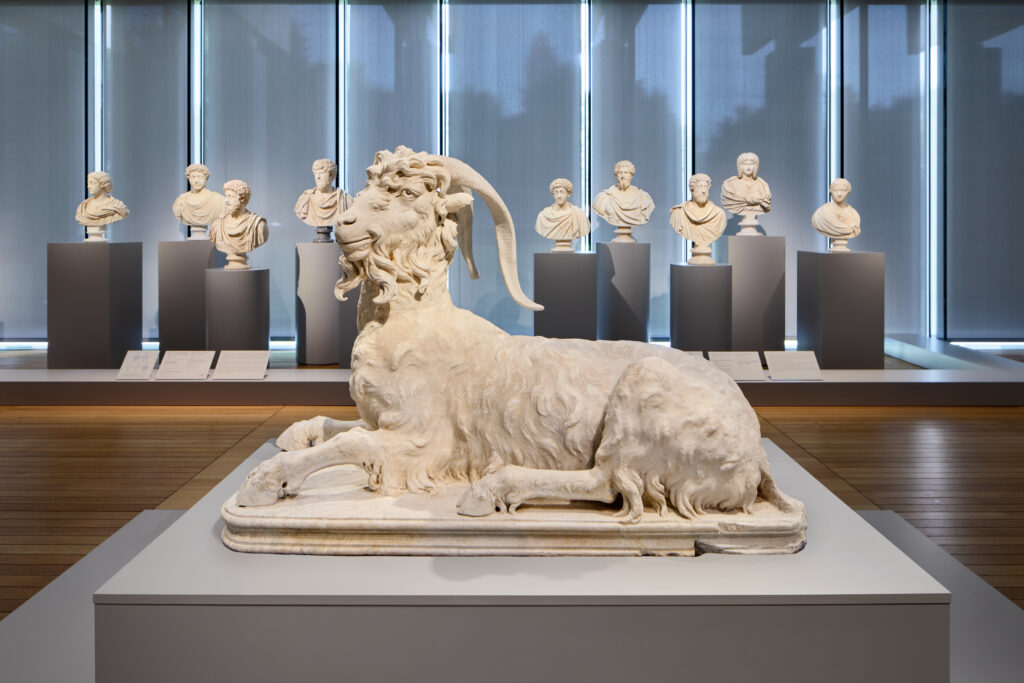
The Kimbell Art Museum is teaming with Bulgari to present the special exhibition Myth and Marble: Ancient Roman Sculpture from the Torlonia Collection from September 14, 2025 through January 25, 2026, in the Renzo Piano Pavilion. This exhibition brings to North America for the first time a selection of fifty-eight rarely seen masterpieces from the world’s most important private collection of Roman sculpture.
“The opportunity to bring large-scale works of ancient Roman sculpture to the American public is extremely rare, and we at the Kimbell are grateful to Fondazione Torlonia for creating this once-in-a-lifetime experience,” said Eric Lee, director of the Kimbell Art Museum. “This is the first exhibition of ancient Roman sculpture in the Kimbell’s fifty-three-year history and is all the more exciting because the legendary Torlonia Collection has been largely unseen for the last seventy years.”
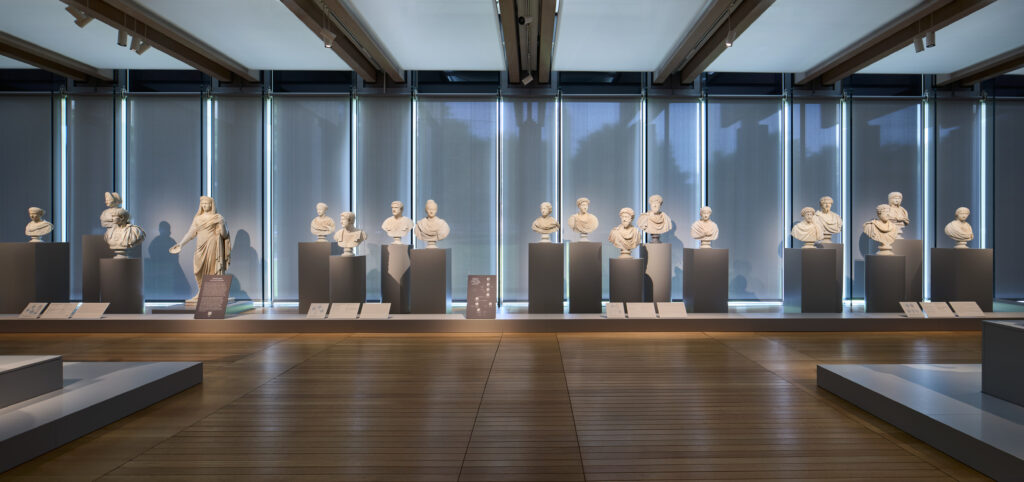
Established during the nineteenth century by the Franco-Italian banker Prince Giovanni Torlonia (1754–1829) and his son, Prince Alessandro (1800–1886), the Torlonia Collection was passed down through generations, eventually growing into one of the most extensive private collections of ancient Roman sculptures. This veritable “collection of collections” was assembled through acquisitions from prominent collections of Roman patrician families and excavations undertaken on the family’s estates throughout Italy. By 1876, Prince Alessandro Torlonia created a museum to house and exhibit the family’s impressive holdings of ancient marbles. The Museo Torlonia was open to small groups until its closure at the onset of World War II. During this closure, Fondazione Torlonia was established at the behest of Prince Alessandro Torlonia (1925–2017) to continue the study and conservation of both the collection and the Villa Albani Torlonia, a monumental complex and one of the highest expressions of eighteenth-century taste. The sculptures remained largely unseen by the public until Fondazione Torlonia’s first exhibition, at the Musei Capitolini in Rome in 2020. Myth and Marble arrives in North America following a recent exhibition of the Torlonia Collection, which drew unprecedented audiences at the Louvre in Paris.
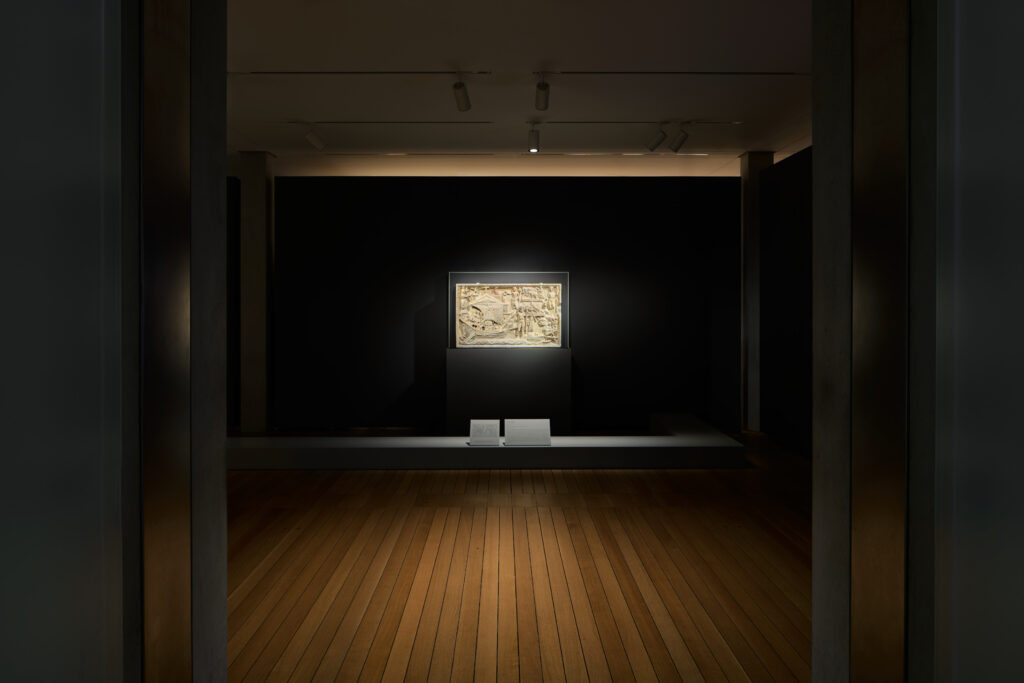
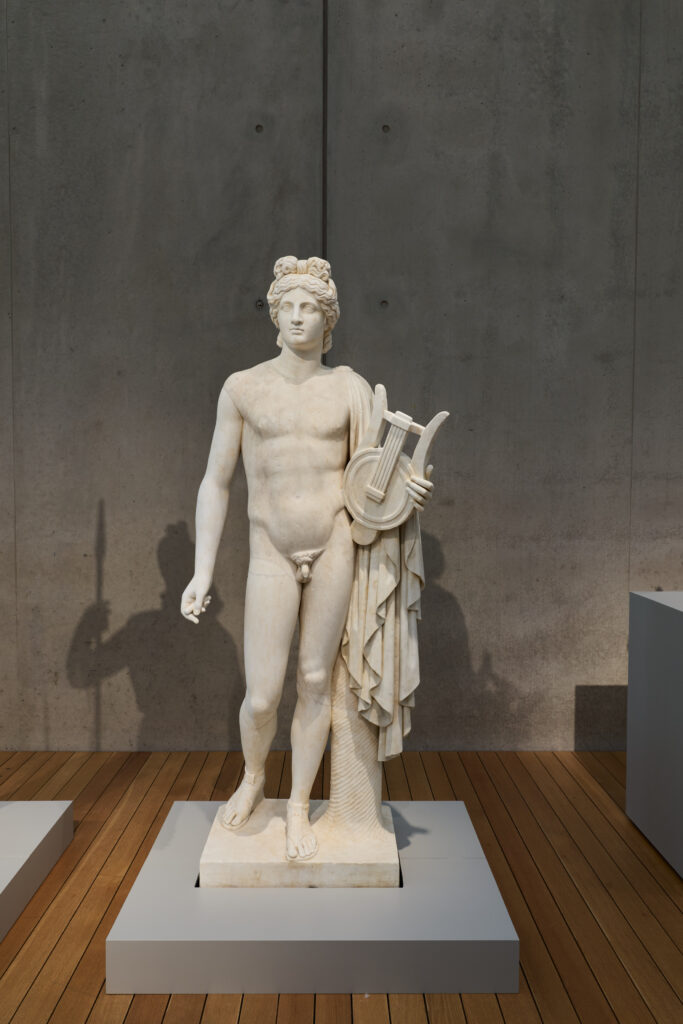
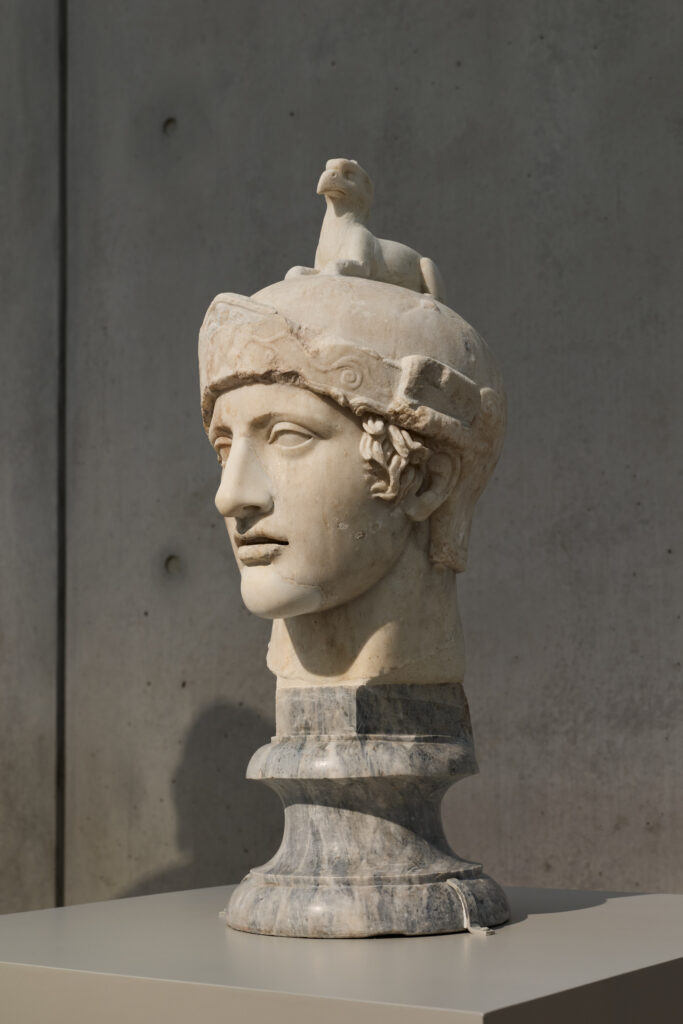
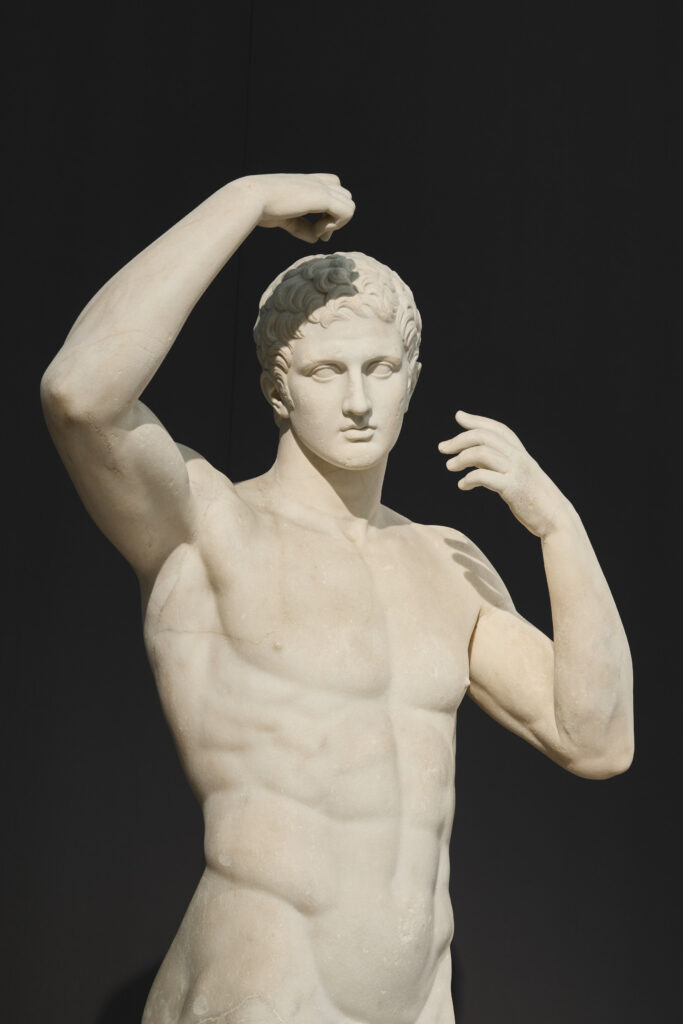
The works on view at the Kimbell were created between the late fifth century BC and the early fourth century AD, with most dating to the High Imperial period (first to second centuries AD). Visitors will see examples of the most emblematic genres of ancient marble sculpture, including large-scale figures of gods, goddesses, and mythic heroes, as well as vivid portraits of emperors and their families, and magnificent funerary monuments. Half of the sculptures have been newly cleaned, conserved, and studied specifically for this North American presentation.
The exhibition is organized thematically into six sections. Upon entering the Kimbell’s special exhibition galleries, visitors will first encounter three Icons of the Torlonia Collection, including the mid-first-century BC Portrait of a Young Woman, known as the Maiden of Vulci. This is among the earlier and best-known works in the Torlonia Collection, providing a singular representation of Roman female portraiture from the early Augustan era. This and other portraits on view convey the striking naturalism that is a hallmark of ancient Roman sculpture, a quality that viewers will come to appreciate throughout the exhibition.
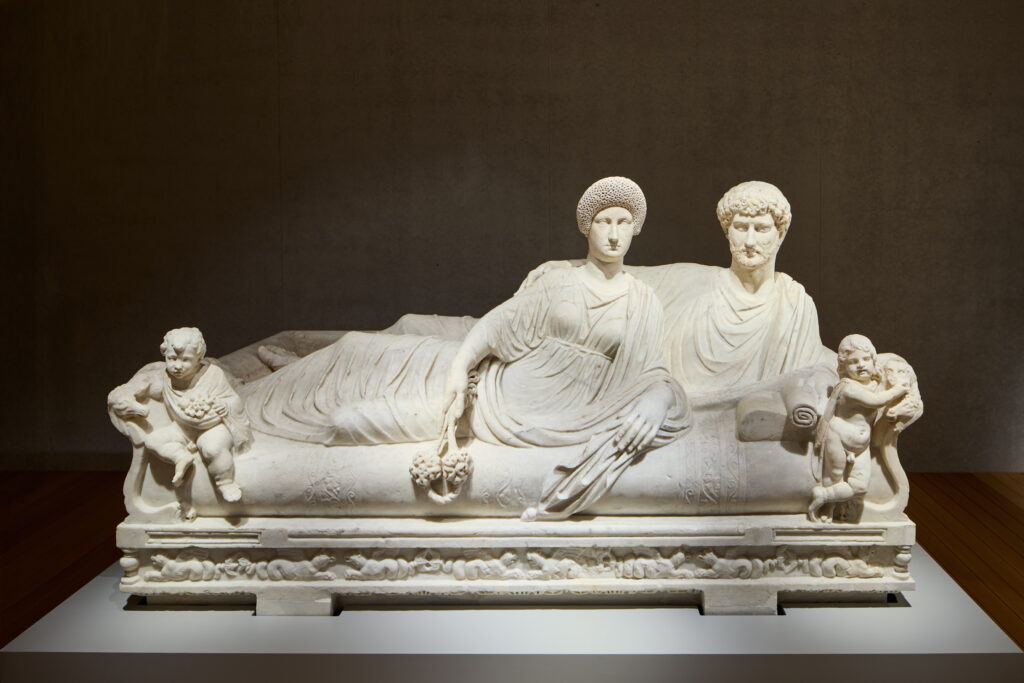
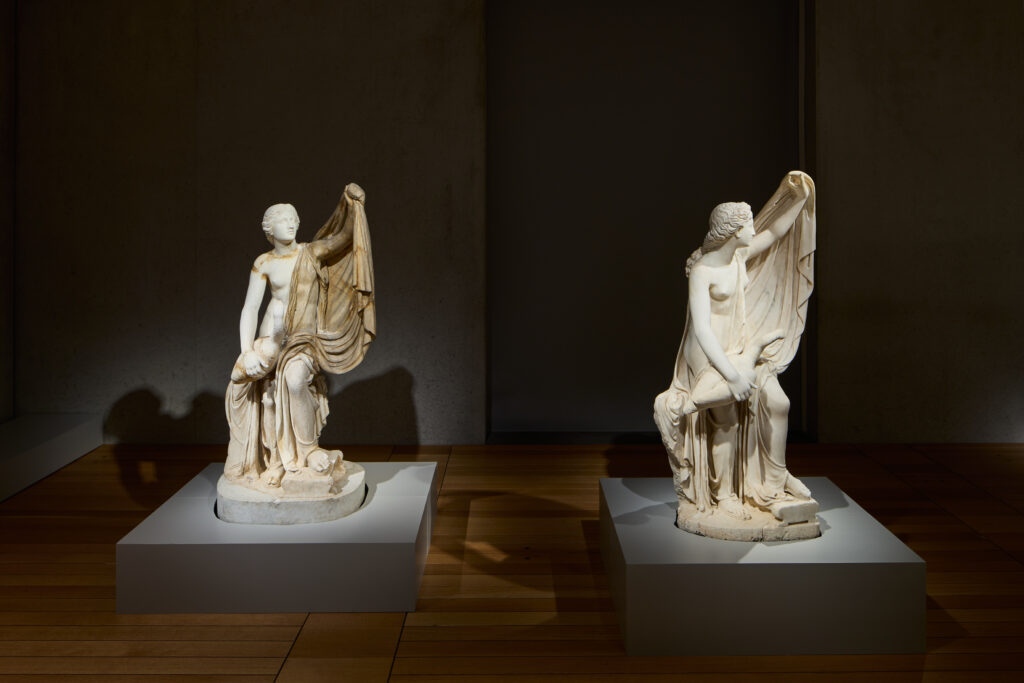
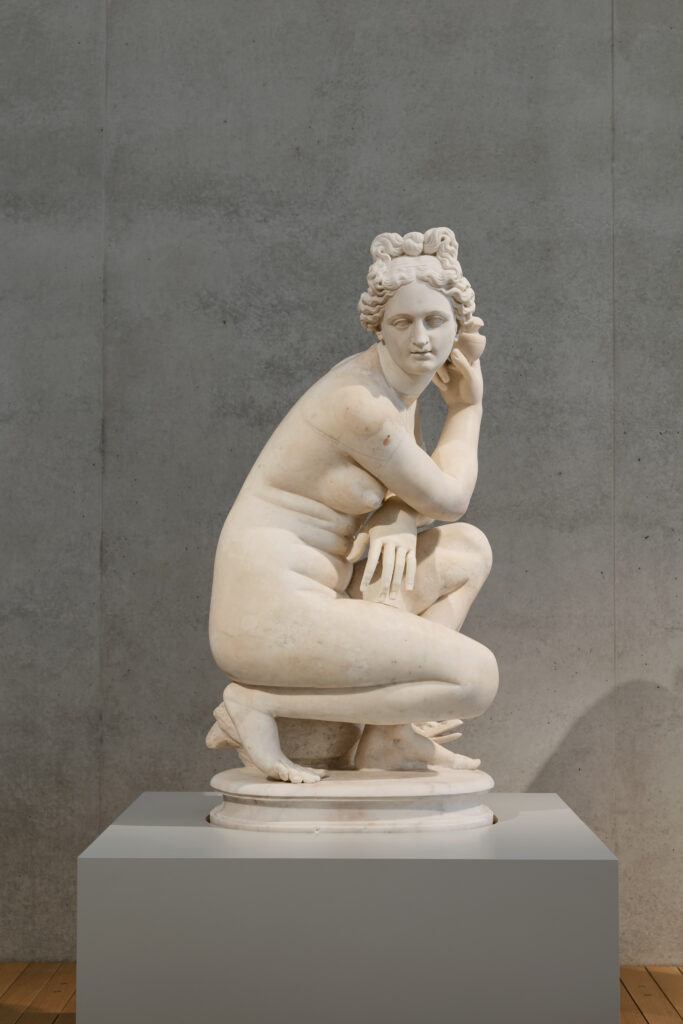
Next, Ideal Bodies and Model Behavior introduces visitors to depictions of myriad deities from the broader Roman world. This section illustrates how, as it expanded, the Roman Empire increasingly adopted aspects of Greek culture, both in its mythology and visual language, thereby cementing a shared Greco-Roman cultural heritage. The Statue of a Goddess, known as the Hestia Giustiniani, one of the most essential works in the collection, is also one of the very few Roman versions of the classical Greek “severe” style in existence and is the largest and most intact sculpture of its type.
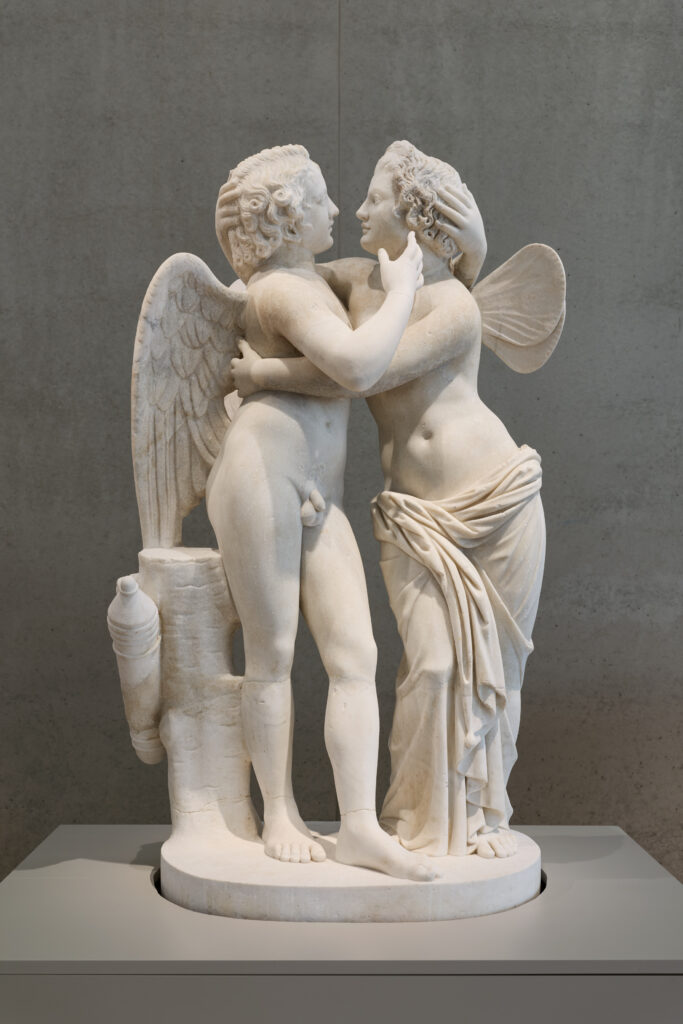
Strategies of Succession displays second-century AD emperors and their imperial families, including a remarkable selection of female portraits. These stunningly realistic portrait sculptures, the likes of which would have permeated public and private spaces in the ancient world, functioned much as mass media does today. Visitors will recognize the names of rulers such as Trajan, Hadrian, Marcus Aurelius, Commodus, and Septimius Severus, whose marble busts at once convey their likenesses, deliver overt political propaganda, and communicate subtle messages of power, authority, and identity.
Not a single work on view in Myth and Marble looks today as it did when it left the ancient artist’s workshop, whether through the wear and tear of time or by the hands of generations of art restorers. Restoration and Reconstruction spotlights sculptures that have been altered over the centuries—sometimes into nearly new works altogether—reflecting how collectors from the Renaissance through the nineteenth century preferred unfragmented objects to adorn their villas and estates. Intact portrait heads were regularly placed on newly carved busts in the past, and sometimes unrelated elements were assembled into wholly new works of art. The Rondanini-Type Medusa on a Trapezophoros (Table Leg) with a Griffin’s Head, for instance, was created through the assembly of two otherwise distinct, ancient sculptural fragments: a Medusa head joined to a Griffin-headed table leg.
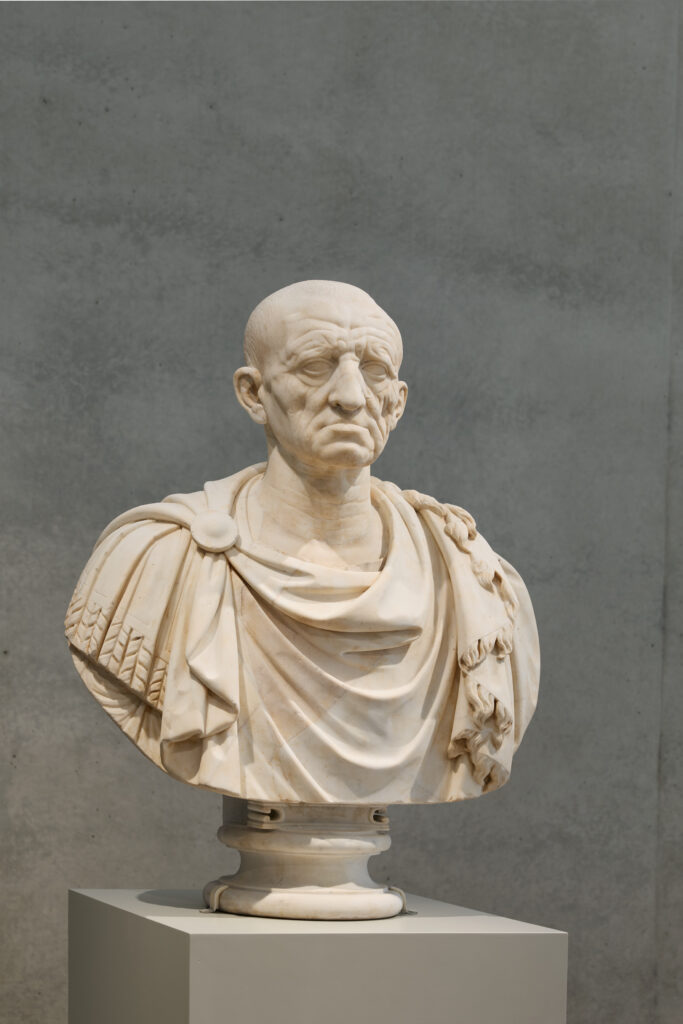
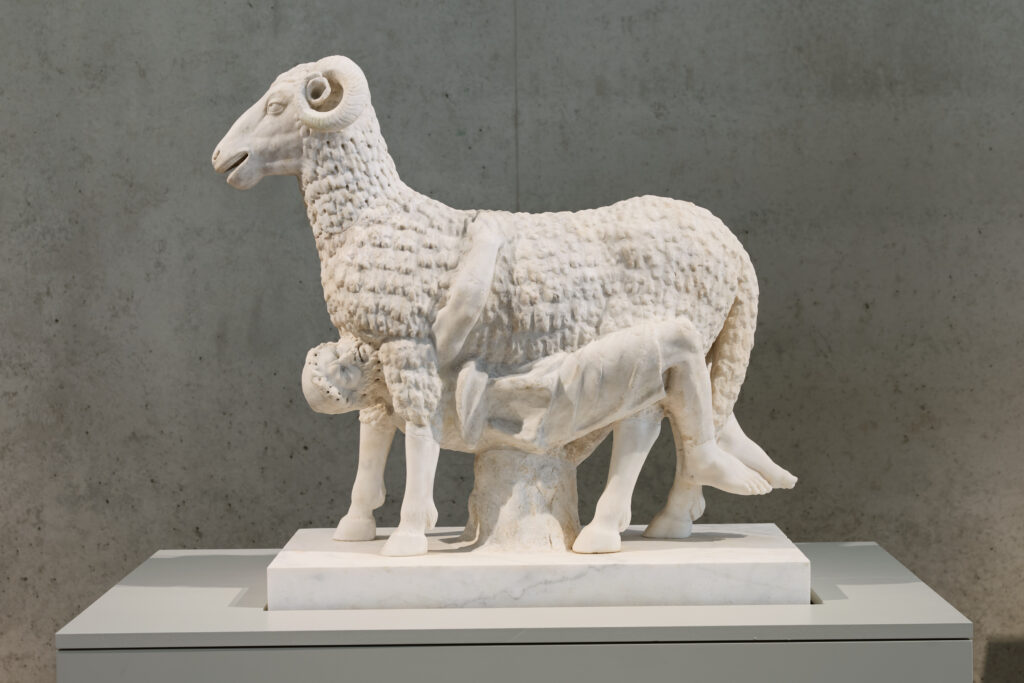
Sometimes great artists were engaged to update or perfect ancient fragments. For example, a mundane sculpture of a reclining ram was entirely transformed, made glorious with the addition of an exuberant head carved by the famed Baroque sculptor Gian Lorenzo Bernini around 1620.
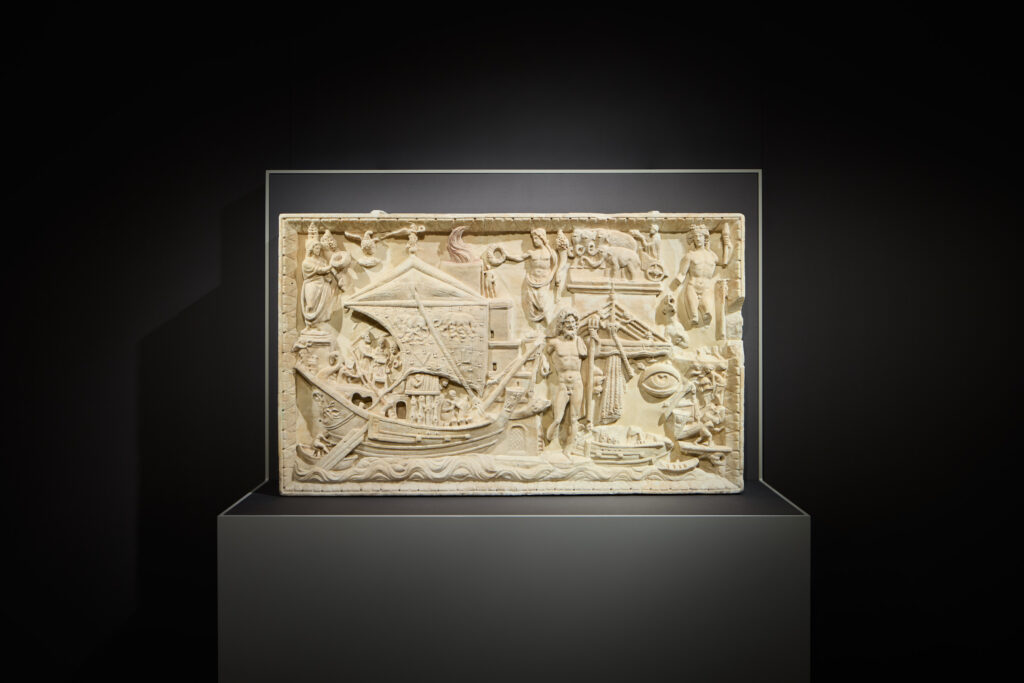
As one of the largest landowners in nineteenth-century Rome, Prince Alessandro Torlonia hired archaeologists to excavate some of his estates, notably a tract along the Via Appia Antica, which was a major ancient thoroughfare near Rome, and a property at Portus, once ancient Rome’s main harbor. Torlonia Excavations showcases remarkable discoveries from these excavations, including an Attic Votive Relief from the 5th century BC, the only Greek sculpture in the exhibition, and the earliest work in the entire Torlonia Collection. The Portus Relief offers a rare representation of the place where it was found, combining elements of the architectural and commercial landscape with symbolic motifs and deities.
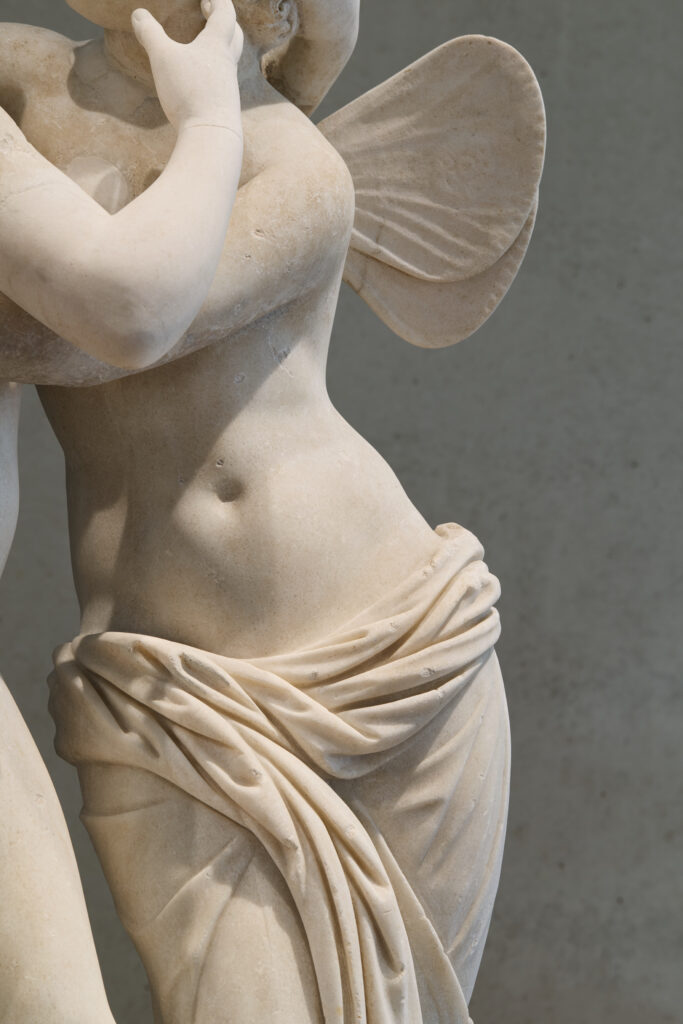
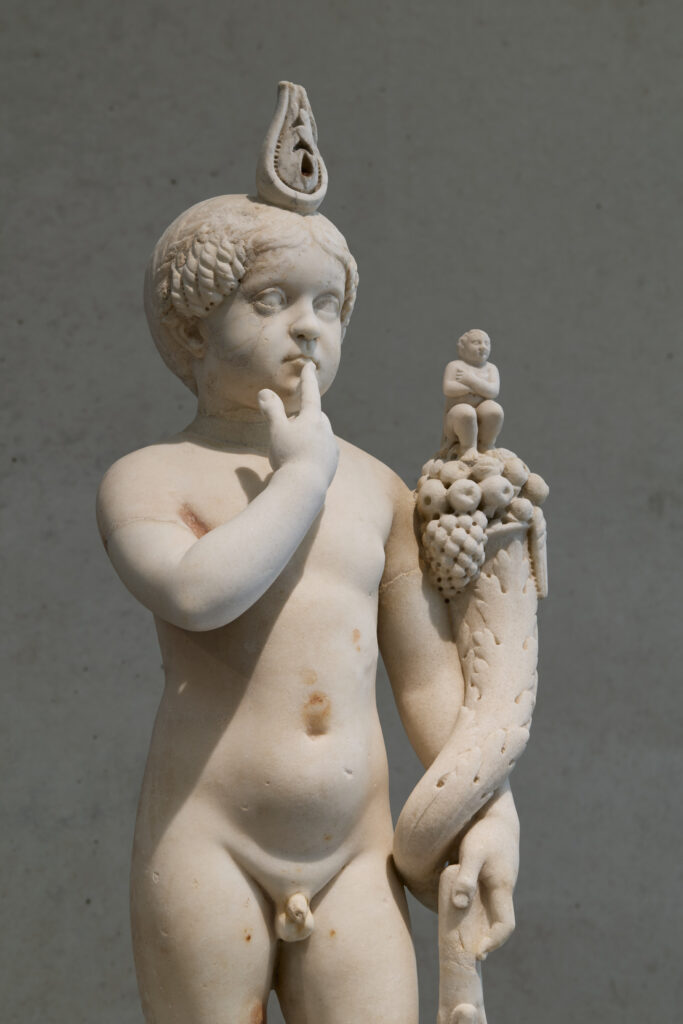
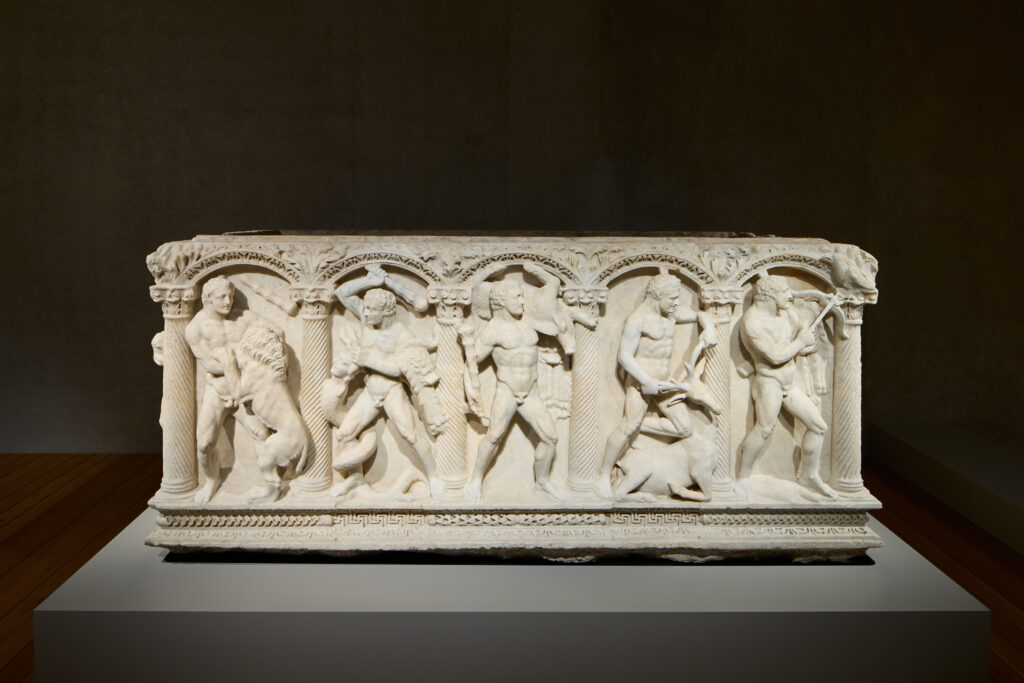
Myth and Marble concludes with Death and Remembrance, highlighting a significant strength of the Torlonia Collection: its funerary monuments. These superb carvings underscore the longstanding Roman tradition of commemorating the dead and visually memorializing their likenesses and personal identities in marble, to be publicly displayed and visited by generations of descendants. Several extraordinary sarcophagi (stone coffins) such as the Sarcophagus Depicting the Labors of Hercules and Lid with Reclining Couple are among the most significant sculpted works in marble to survive from ancient Rome.
“Each of these exceptional sculptures has lived many lives over the centuries,” said Jennifer Casler Price, senior curator of Asian, African, and ancient American art at the Kimbell Art Museum and curator of the exhibition for the Kimbell. “Reaching across space and time, connecting the past with the present, these powerful works still resonate with us today. We are thrilled to be able to share their fascinating stories with our visitors and to bring these magnificent ambassadors from Rome to Texas.”
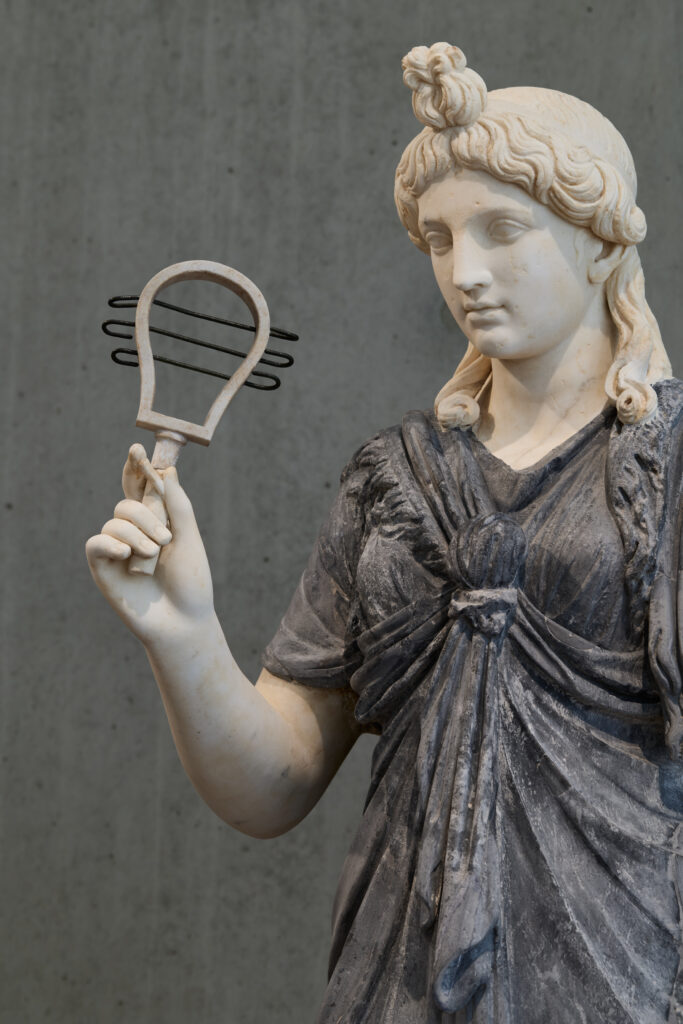
“Fondazione Torlonia is excited to be sharing the Torlonia Collection with audiences in North America for the first time. This exceptional group of ancient sculptures is a testament to the enduring cultural legacy of ancient Rome, as well as the vision and passion of multiple generations of the Torlonia family,” said Alessandro Poma Murialdo, president of Fondazione Torlonia.
“By sharing these rare masterpieces with the public, Fondazione Torlonia aims to deepen appreciation for and foster a renewed connection with the artistic achievements of the ancient world,” said Carlotta Loverini Botta, director of Fondazione Torlonia. “The universal spirit that has always informed classical art must continue to be nurtured for generations to come. It is a universal language that thrives on the ongoing reinvention of the classics through engagement with modern culture.”