
 Lance Avery Morgan
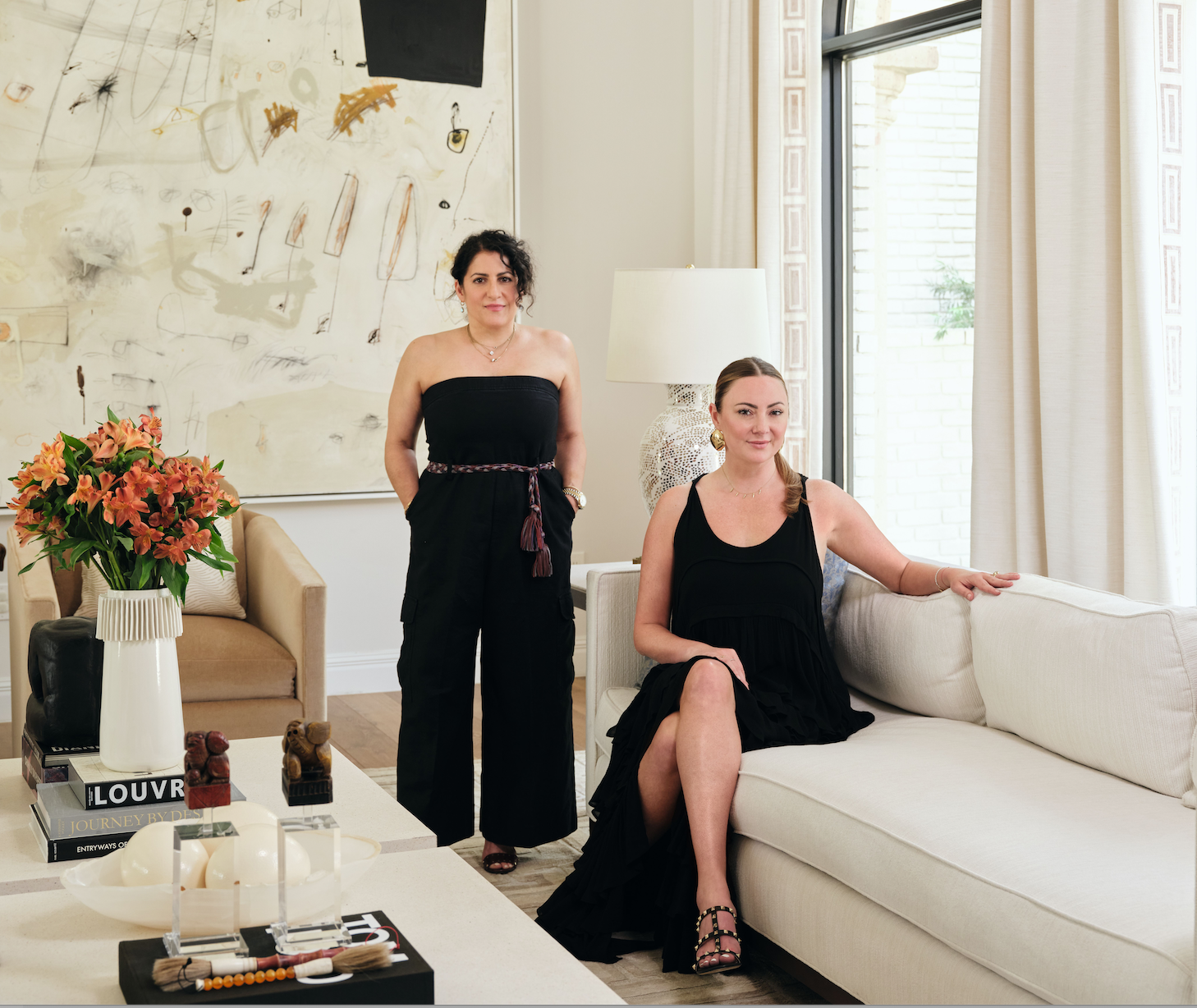
In Their First Monograph, Two Celebrated Designers, Beth Dotolo And Carolina V. Gentry, Make The Case For Individuality, Intention, And Interiors With A Heartbeat
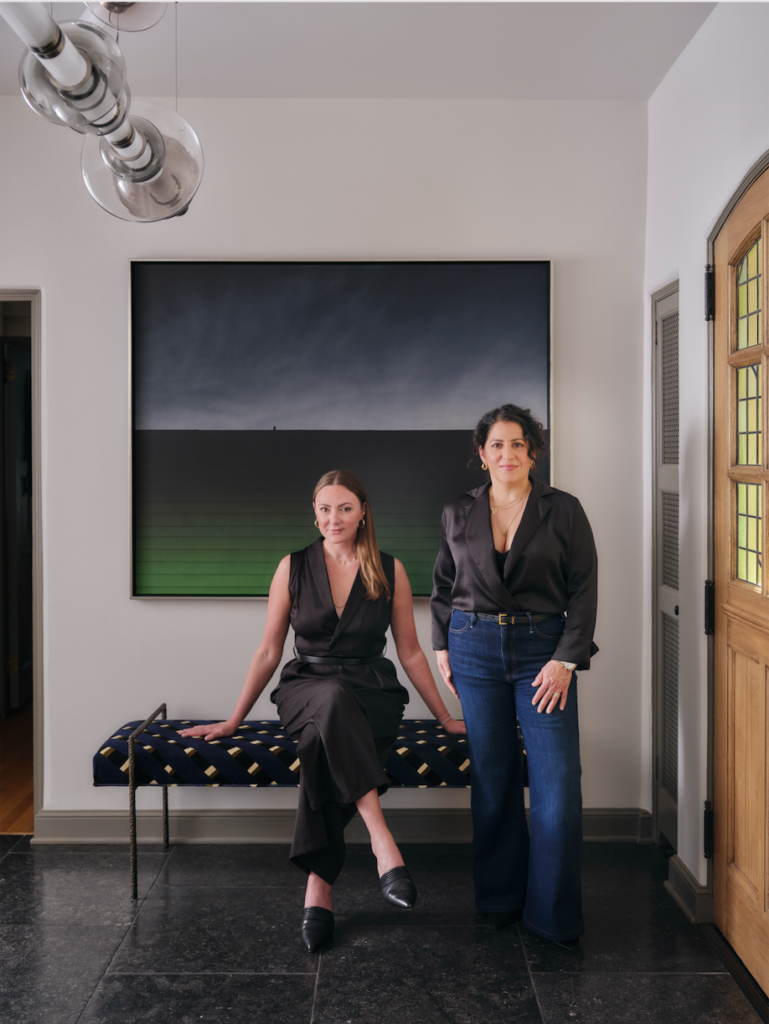
There is a difference between a home that is beautifully decorated and one that feels unmistakably like the people who live there. For Beth Dotolo and Carolina V. Gentry, the designers behind Pulp Design Studios, that distinction is at the heart of everything they do, and now, it is the inspiration behind their first monograph, Fearless Design, according to our design chronicler, Lance Avery Morgan.
Photography courtesy of Fearless Design
Risk-Taking, Collaboration & Evolution

The new book, Fearless Design, is a stunning visual celebration of two decades of creativity, risk-taking, collaboration, and evolution. But its central philosophy is surprisingly simple: design should feel personal. “Fearless design isn’t about being loud for the sake of it,” Dotolo and Gentry explain. “It’s about trusting your instincts and making choices that genuinely reflect who you are.”
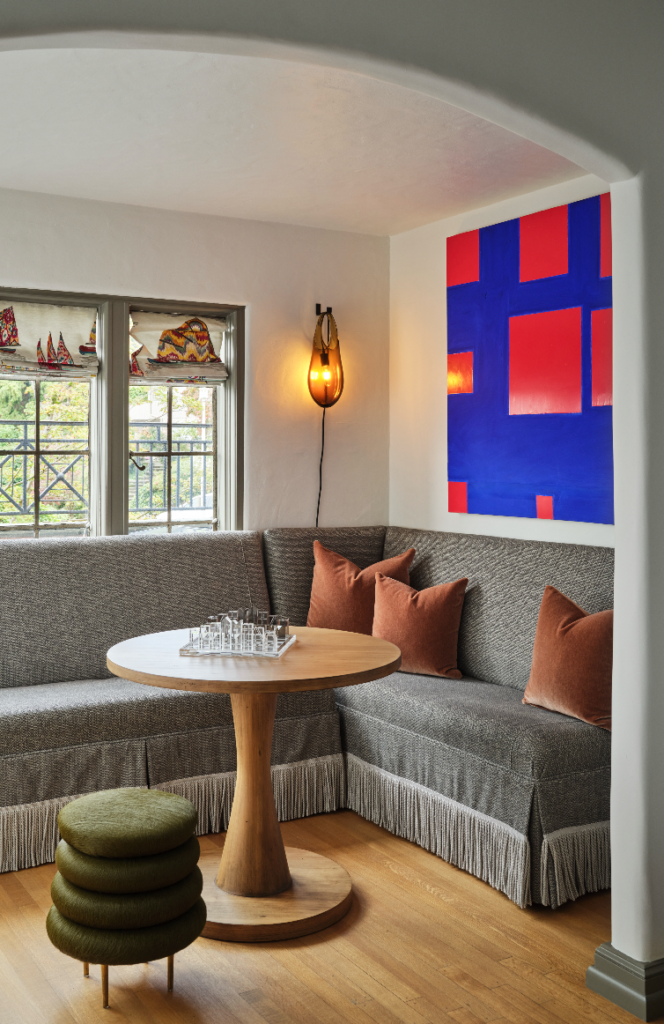
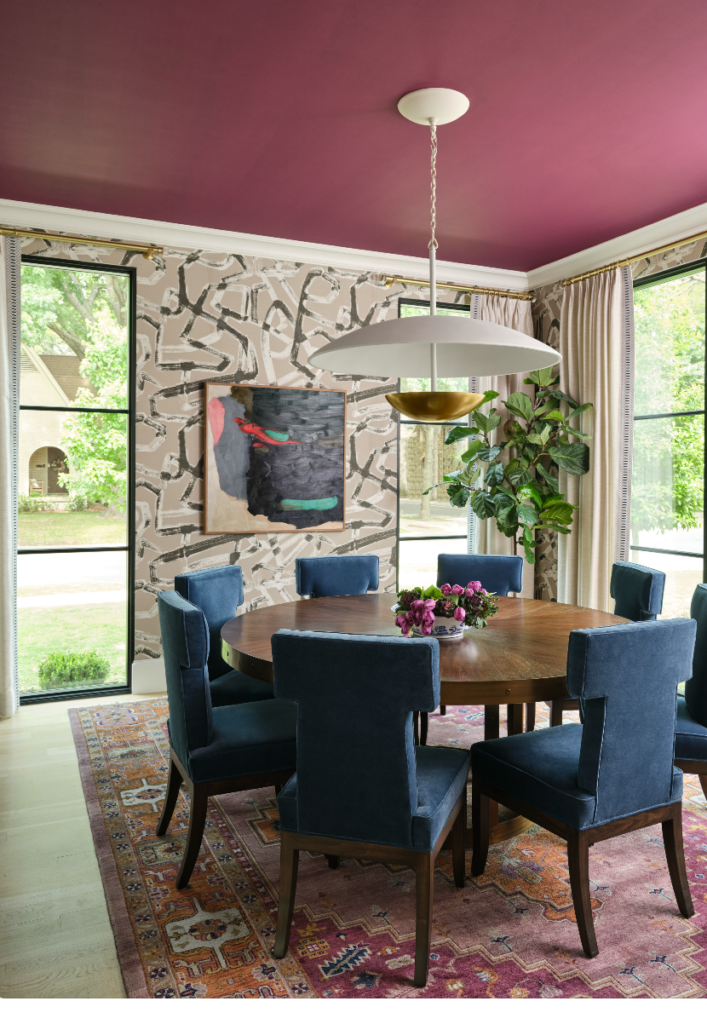
That philosophy has long been embedded in Dallas-based Pulp Design Studios’ approach. The firm famously describes its aesthetic not as a particular look, but as a feeling: “We don’t have a signature look, we have a vibe.” It is a distinction that helps explain why the designers’ portfolio can encompass such a wide range of interiors while still feeling connected. “We never want a client’s home to look like a Pulp showroom,” they say. “Our signature is really the feeling: confident, layered, unexpected, and deeply personal.”
That commitment to individuality is particularly relevant in an era when social media can make luxury interiors feel increasingly interchangeable. For Dotolo and Gentry, resisting that sameness begins with something decidedly low-tech: listening. “We begin with the client, not the algorithm,” they say.
Instead of designing around whatever happens to be trending online, the designers look to the people who will actually inhabit the space: their stories, collections, habits, personalities, and quirks. Those details, they believe, provide a richer creative vocabulary than any trend could. “Luxury without personality can feel hollow,” they explain. “We want every room to reveal something about the people who live there. We want it to have a heartbeat.”
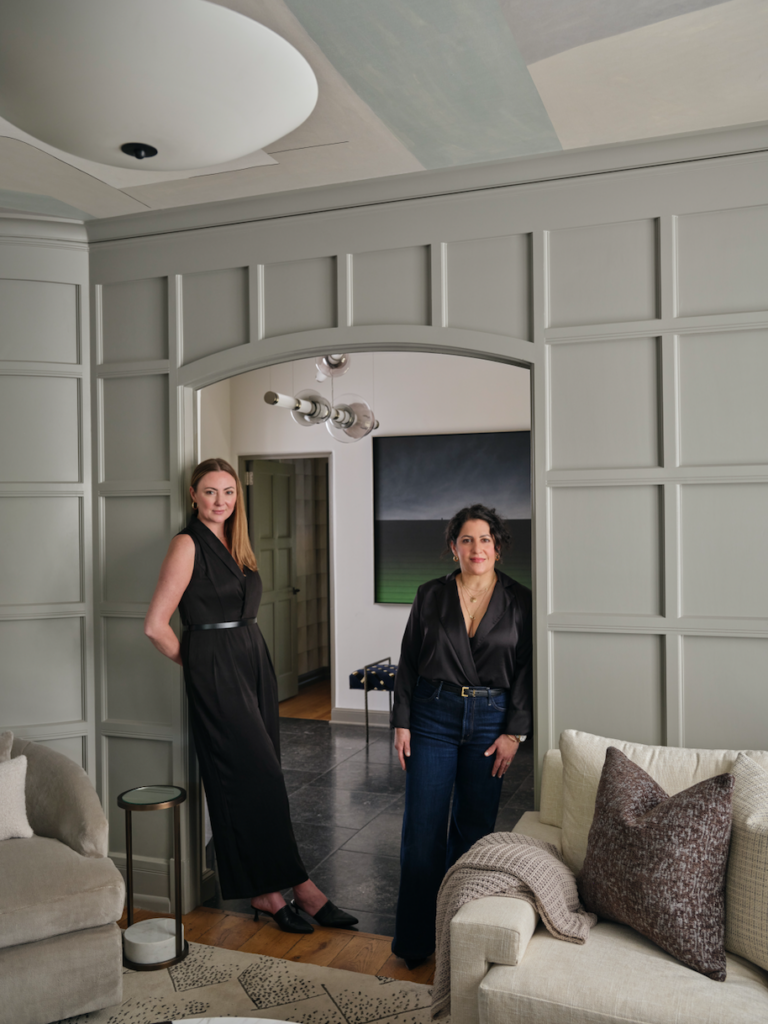
Embracing The Dark Side
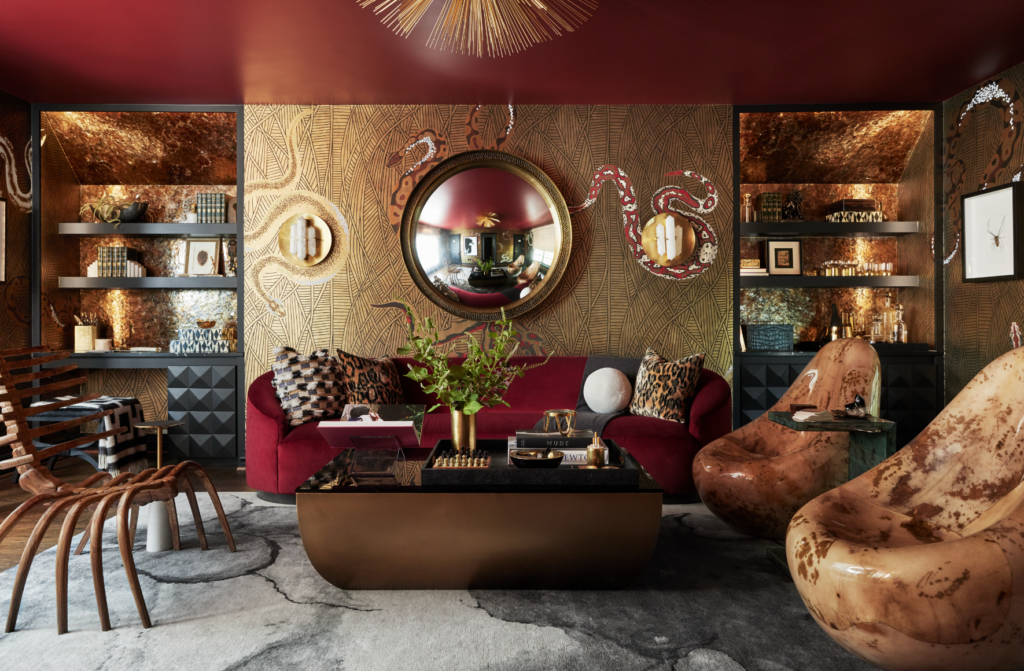
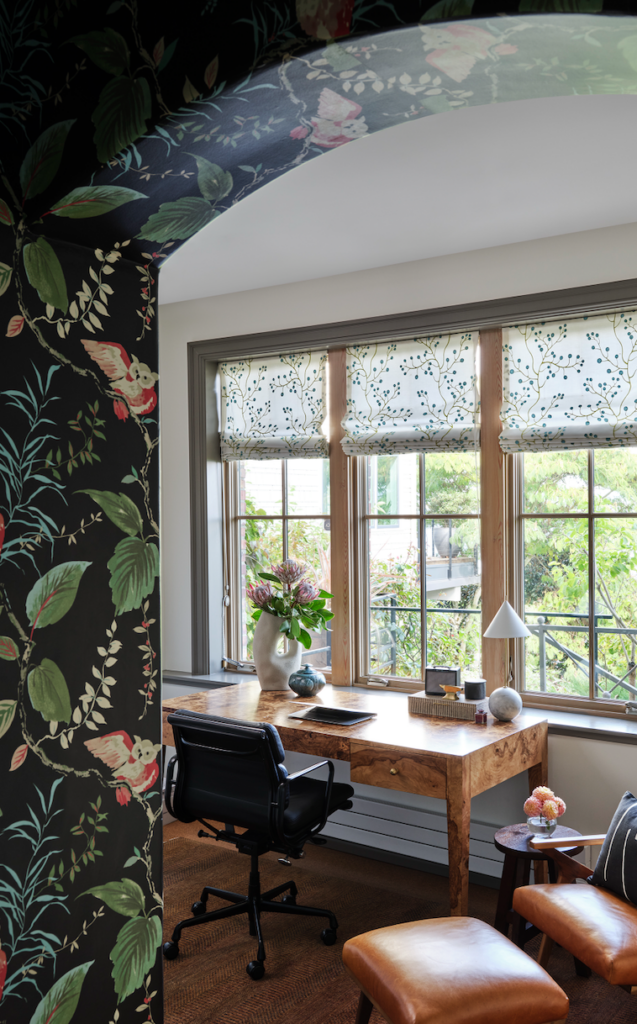
That philosophy of individuality even led to one of the most unexpected elements of Fearless Design. While organizing the projects for the book, Dotolo and Gentry discovered that they repeatedly gravitated toward darker, moodier interiors.
The realization inspired the book’s “Dark Side” chapter, which was not part of the original concept. “It wasn’t a project, but instead a chapter,” they reveal. “The ‘Dark Side’ chapter surprised us the most. It wasn’t part of the original book outline, but as we began organizing the projects, we realized just how often we embrace darker, moodier spaces.”
Those interiors, ultimately assembled, revealed something about the designers themselves. “Seeing them together on the page felt incredibly powerful and very true to who we are as designers.”
It is that kind of self-discovery that makes Fearless Design more than a traditional coffee-table book. The projects become evidence of a creative journey, one built through experimentation, relationships, lessons learned, and the willingness to evolve.
When Luxury Becomes Personal
Over the course of their careers, Dotolo and Gentry have watched the definition of luxury change dramatically. “Luxury used to be defined by what something cost or how exclusive it was,” they say. “Today, we see it as deeply personal: comfort, craftsmanship, ease, and a home that supports the way you truly want to live.”
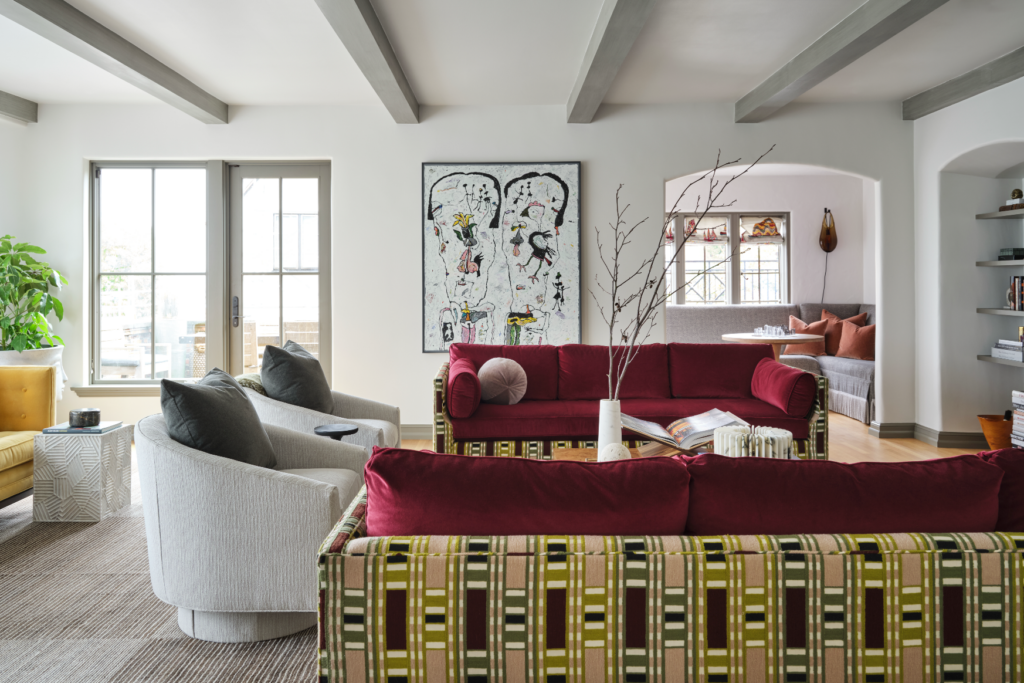
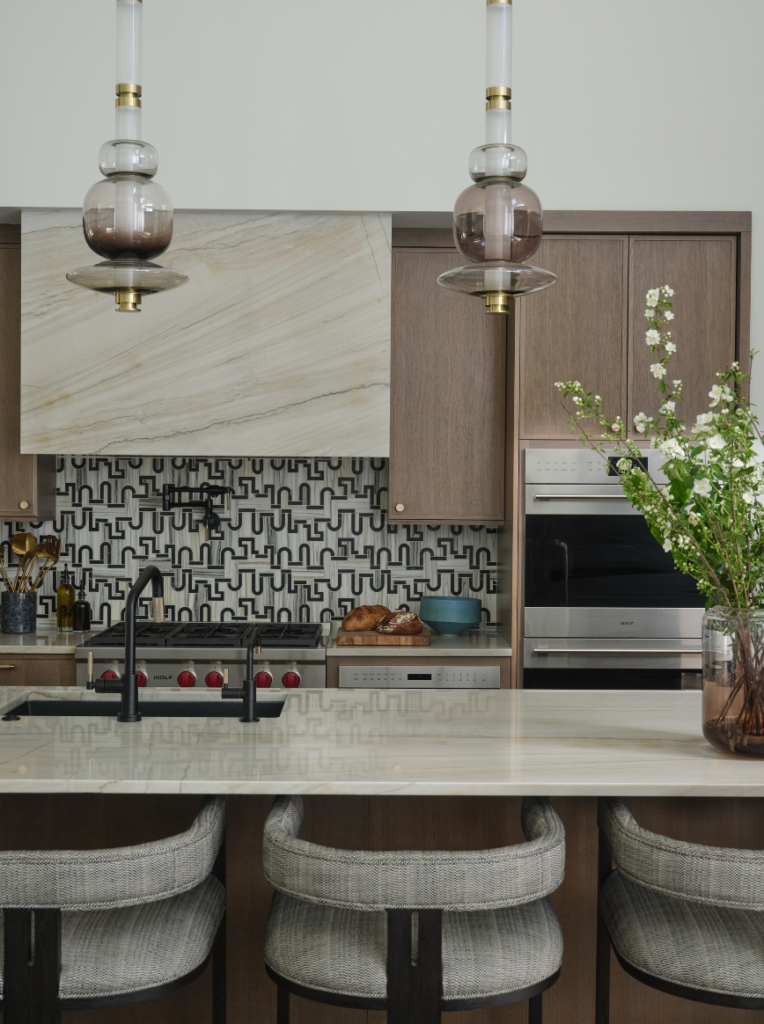
Their ultimate definition of luxury is even more intimate: “The ultimate luxury is having a space that could belong to no one else and function for no one else.” It is an idea that also informs their use of color, pattern, texture, and layering. Bold design, they point out, does not necessarily mean overwhelming a room. They go on to share, “Boldness can be a surprising material, an unusual color combination, or one sculptural piece that changes the entire room.”
The secret is intention. “When every choice has a reason, bold design can feel incredibly sophisticated.” For homeowners who instinctively play it safe, the designers invite them to reconsider the purpose of a home in the first place.
“Start by letting go of the idea that your home needs to appeal to everyone.” If a particular choice makes someone “feel excited, curious, or even slightly nervous,” they say, “it may be exactly what the room needs.” The goal is not reckless design. It is considered courage.
Two Perspectives, One Point Of View
The creative chemistry between Dotolo and Gentry is another defining element of the Pulp story.
Their professional backgrounds bring complementary perspectives to the partnership. Dotolo’s experience encompasses residential, retail, and commercial design, while Gentry’s career includes major hospitality projects for brands including Ritz-Carlton, Hyatt Regency, Hilton, and Marriott. “Beth brings a strong understanding of branding, storytelling, and how every detail contributes to the larger idea,” they explain. “Carolina’s hospitality experience brings a sense of experience, flow, and how a room should make someone feel.”
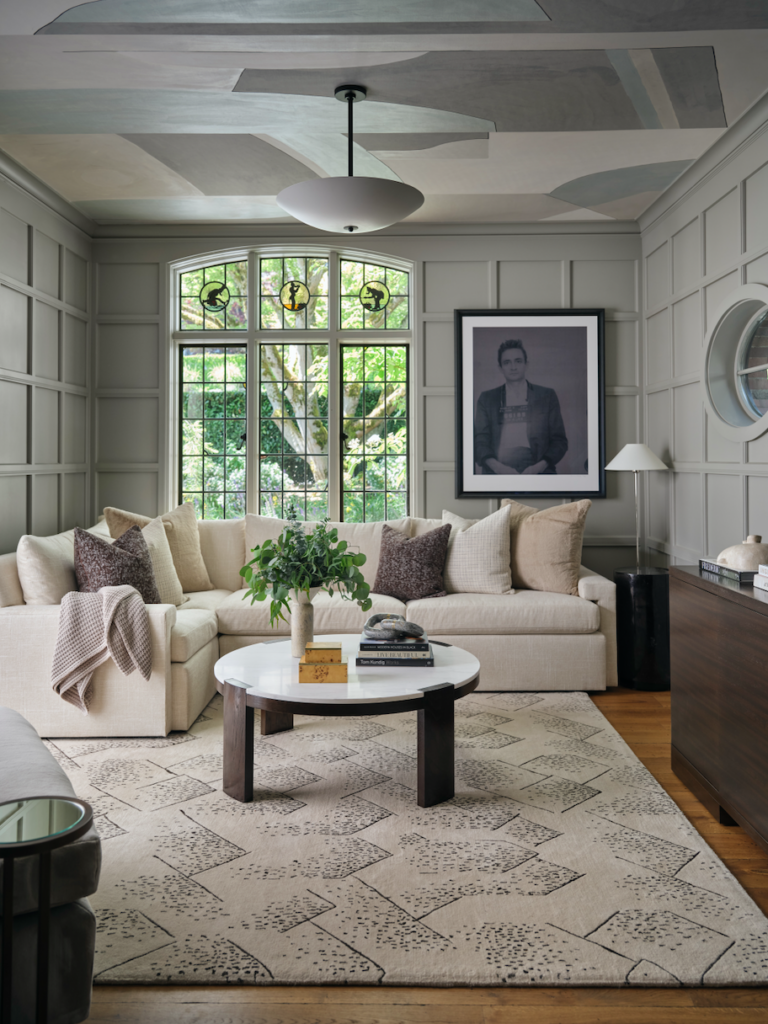
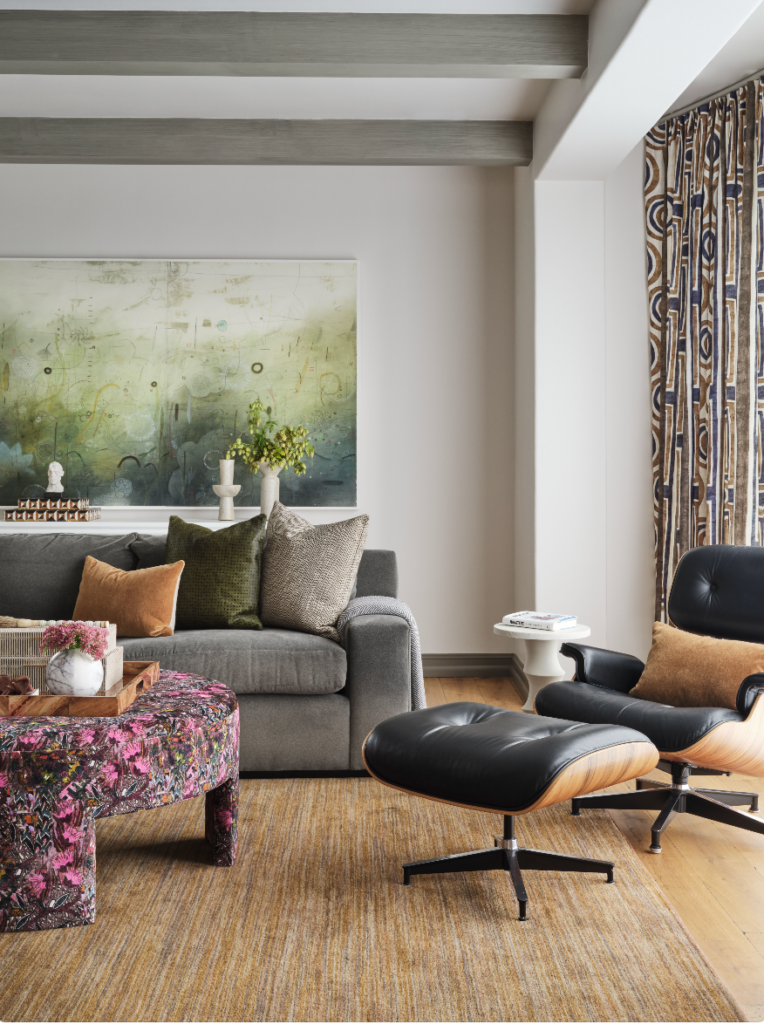
The result is a design approach that is simultaneously personal and experiential. “Together, we create homes that are personal but also transportive. And, of course, cleanable, durable, and highly functional.”
Their partnership has survived years of creative collaboration, even if the designers readily admit that working together does not mean agreeing on everything. “We don’t always agree, but we’re usually aligned on the big picture.” And then comes perhaps the most entertaining explanation of their enduring success: “We joke that part of our success is that we no longer live in the same city. We might kill each other if we shared an office every day!”
Their relationship is built on candor as much as chemistry. “We’re brutally honest and fight like sisters, which means nothing is ever left unsaid. It’s all on the table, and we think that honesty is a big part of why our partnership has lasted.” That frankness is balanced by mutual confidence. “We like to think we’re both super talented in our own right, so there isn’t an uneven balance to our partnership.”
A Vote Of Confidence From Thom Filicia
Adding another meaningful dimension to Fearless Design is its foreword by acclaimed designer Thom Filicia. For Dotolo and Gentry, his involvement carried particular significance. They had watched his career develop early in their own professional journeys and admired not only his success but his authenticity.
“Thom has built an incredible career while remaining generous, authentic, and completely himself,” they say. Having him recognize their work was deeply meaningful.
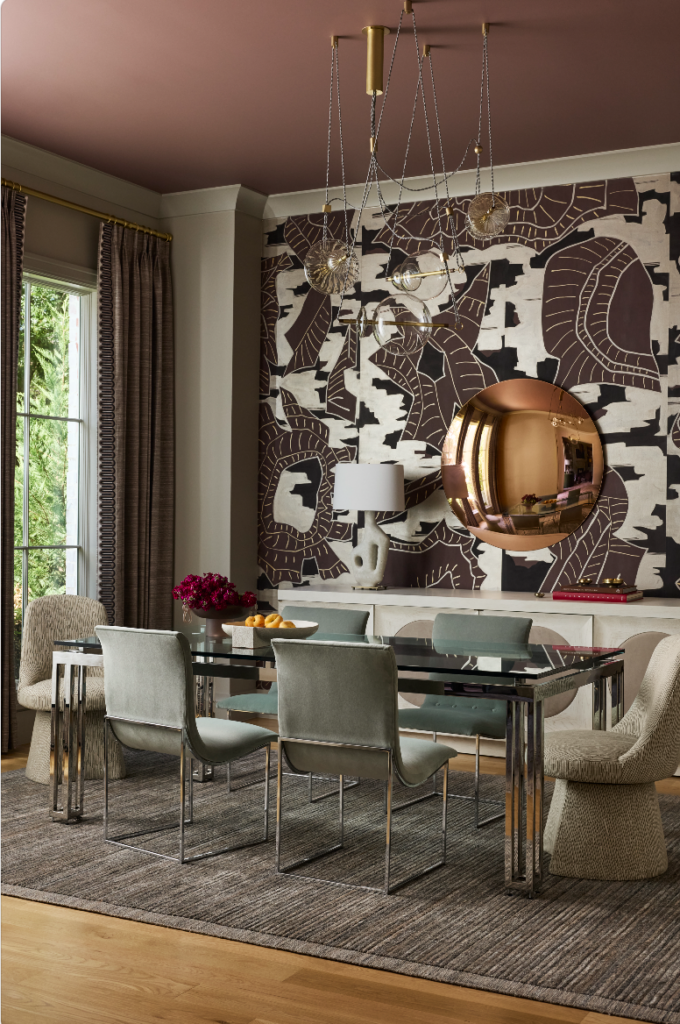
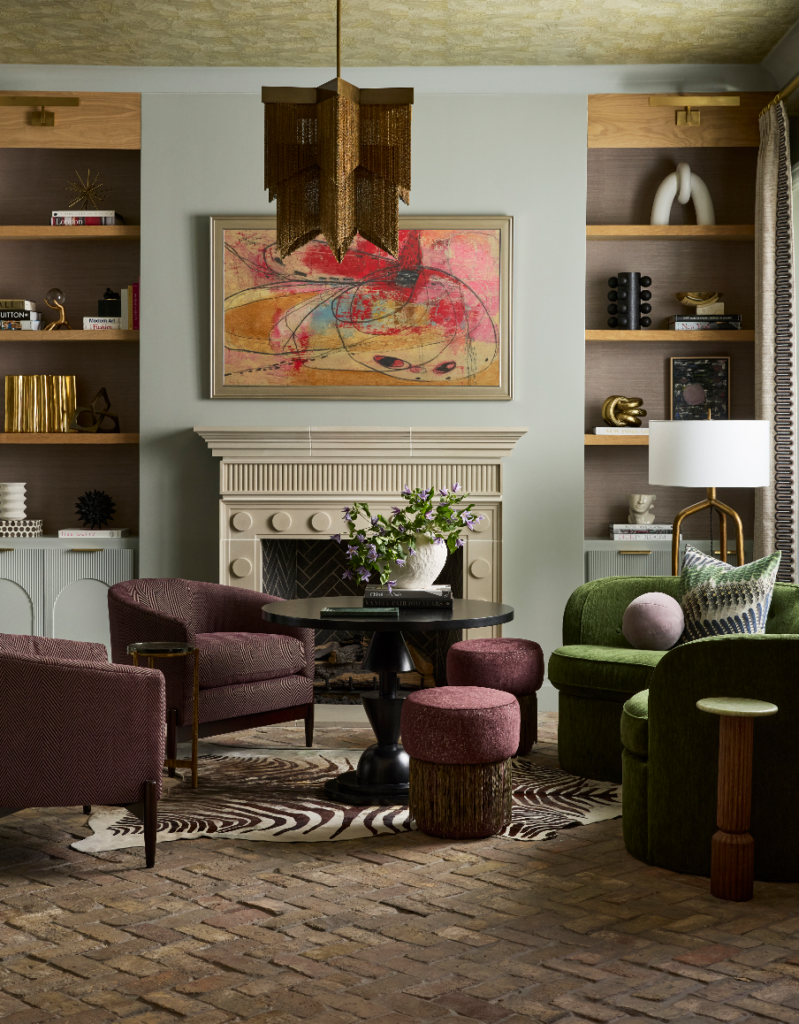
“His foreword felt like both a warm welcome and a meaningful vote of confidence as we introduced this book to the world.”
Two Decades, One Voice
Perhaps the most emotional moment in creating Fearless Design came when the designers finally saw their body of work assembled together. “Seeing the projects laid out together for the first time was incredibly emotional,” they recall.
Suddenly, two decades of professional life were visible in a single collection. “We could suddenly see two decades of risks, relationships, lessons, and evolution reflected back at us.”
And what emerged was something larger than a portfolio.
“It wasn’t simply a collection of beautiful rooms. It was the story of how we found our voice together.” That idea, finding one’s voice, may ultimately be the most important message of Fearless Design. It applies to designers, homeowners, and anyone who has ever hesitated before making a creative decision because they wondered what someone else might think.
The designers hope readers close the book feeling liberated rather than simply inspired. “We hope they feel permission to live more authentically.” That means choosing what genuinely moves you, using the beautiful things rather than saving them for a hypothetical future, and opening your doors to the people who matter. “To be vulnerable enough to choose what moves them, use the beautiful things, invite people in, and stop saving their ideas for someday.”
Because, ultimately, the most fearless home is not necessarily the most extravagant one. It is the one that tells the truth about the people who live there. “A home should support a life that feels fully lived.”
And for emerging designers, the same principle applies to building a career. Dotolo and Gentry advise young creatives to stay curious, learn the business, embrace mistakes, and resist the temptation to imitate what everyone else is doing. “Don’t rush to define your style,” they advise. “Your point of view develops through experience, mistakes, and doing the work.” Most importantly: “Stop looking sideways.”
In an industry increasingly shaped by comparison, visibility, and rapidly changing trends, their advice is refreshingly timeless. The designers who build lasting careers are the ones who learn to trust their own voice and have a quiet confidence about their talent.
That may be the real meaning of Fearless Design: not designing louder, but living and creating with greater conviction.
10 Fearless Design Lessons From Dallas-Based Pulp Design’s Beth Dotolo and Carolina V. Gentry
- Design for the person, not the algorithm.
Start with the homeowner’s story rather than whatever is trending online. - Your home doesn’t need to appeal to everyone.
The most personal spaces are often the most individual, and therefore the least generic. - Luxury should feel personal.
True luxury is about comfort, craftsmanship, ease, and functionality, not simply price or exclusivity. - Bold doesn’t mean loud.
A surprising material, unexpected color combination, or sculptural statement can transform an interior. - Give every choice a reason.
Intention and balance are what make daring design feel sophisticated. - Let your home tell your story.
Collections, habits, memories, and even quirks can become the most compelling design elements. - Don’t be afraid of the dark side.
Moody, dramatic interiors can create some of the most powerful and emotionally resonant spaces. - Choose what moves you.
If something excites you, makes you curious, or leaves you slightly nervous, it may be worth exploring. - Stop saving beautiful things for someday.
Use the things you love, invite people in, and let your home be part of the life you’re living now. - Trust your own voice.
Whether you’re a homeowner or an emerging designer, lasting confidence comes from developing your own point of view rather than constantly looking sideways.